
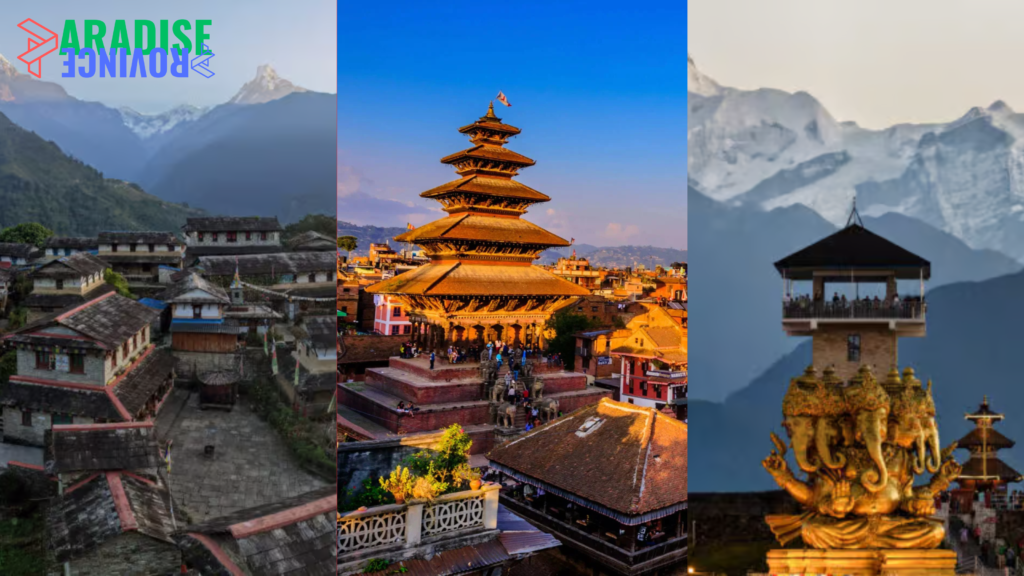
Nepal is known for its Himalayas, tough mountain treks and some of the highest peaks on earth. The mountains are an important part of the country, but I think there’s much more to Nepal than dramatic landscapes. As a travel content writer I’m always interested in destinations that bring together nature, culture and daily life.
Nepal is known for its Himalayas, tough mountain treks and some of the highest peaks on earth. The mountains are an important part of the country, but I think there’s much more to Nepal than dramatic landscapes.
As a travel content writer I’m always interested in destinations that bring together nature, culture and daily life. A perfect example is Nepal. From the historic streets of Kathmandu to the peaceful villages around Pokhara and the wildlife of Chitwan the country has many different experiences in a relatively short journey.
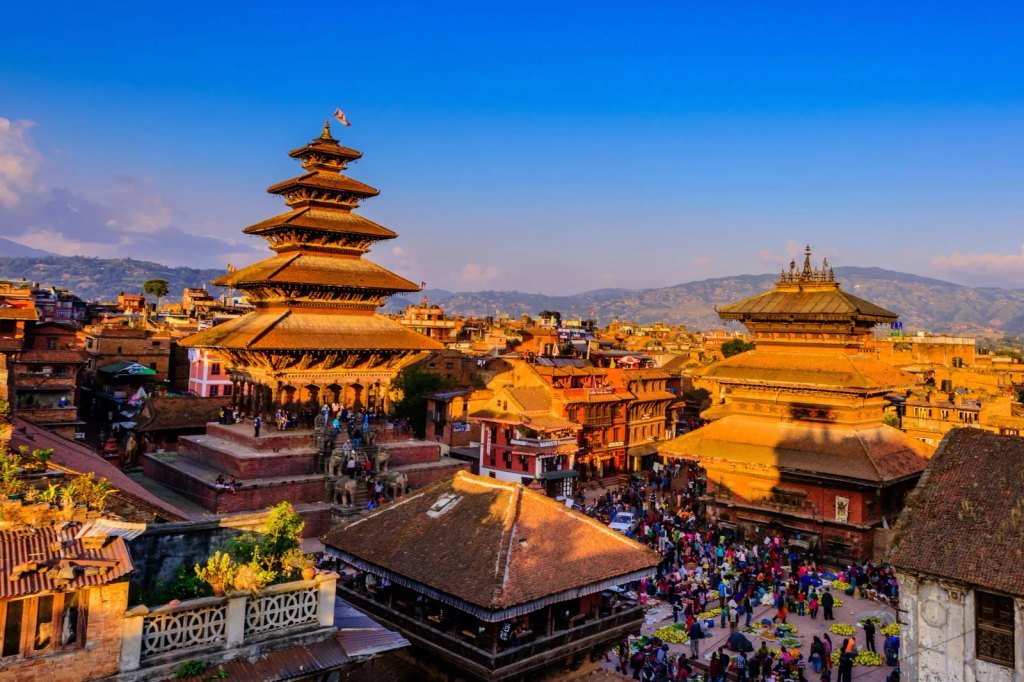
For this guide, I used the Nepal travel guide by Fabio Nodari as reference and rework the information into a travel-oriented view that emphasizes the places, experiences, and practical advice that I find most interesting for travelers.
The Best Time to Visit Nepal
The best time to visit Nepal can really count, especially if you want to see the mountains, go hiking or take photographs.
October to early December and March to May are among the best times for generally clear skies and good mountain visibility. These months also offer pleasant conditions for discovering cities, villages and attractions outdoors.
Autumn also offers interesting experiences for travelers interested in Nepalese festivals. Dashain and Tihar, the Festival of Lights, are important celebrations that occur around September and October. Their dates vary each year according to the lunar calendar, so it’s worth checking the exact dates before you plan your trip.
June to September is monsoon season, and that can mean heavy rain, muddy roads and reduced visibility in the mountains. Winter, especially in the higher elevations, can be cold, particularly from late December through February.
Wildlife photographers might also find March and April interesting as thinner vegetation may make animals easier to spot in national parks.
Should You Go Alone or With a Tour Guide?
One question I often ask myself when researching a destination is whether it is better to explore independently or with local help.
In Nepal, travelers can opt for either style depending on the destination and activities. If you prefer flexibility and plan to visit popular destinations like Kathmandu and Pokhara, independent travel can work well.
But a local guide can help make the experience more meaningful, especially if you are visiting rural communities. A local guide can help with communicating, explain cultural traditions and introduce travelers to places that may be hard to find on one’s own.
If you plan to do some trekking, visit villages, or do some wildlife experiences, having someone who knows the area can also help with planning.
A 10-Day Nepal Itinerary
If I were planning a short Nepal itinerary, I would be concentrating on a few different sides of the country rather than spending the whole trip in the mountains.
A combination of Kathmandu, Nagarkot, Pokhara, nearby mountain villages and Chitwan would present a good variety of history, culture, mountains, villages and wildlife.
2 Days in Kathmandu: Temples, Heritage, and Local Life
Kathmandu is a natural starting point for your trip to Nepal. The capital can be busy and chaotic at first but spend a couple of days wandering its streets and you’ll find a fascinating mix of Hindu and Buddhist traditions.
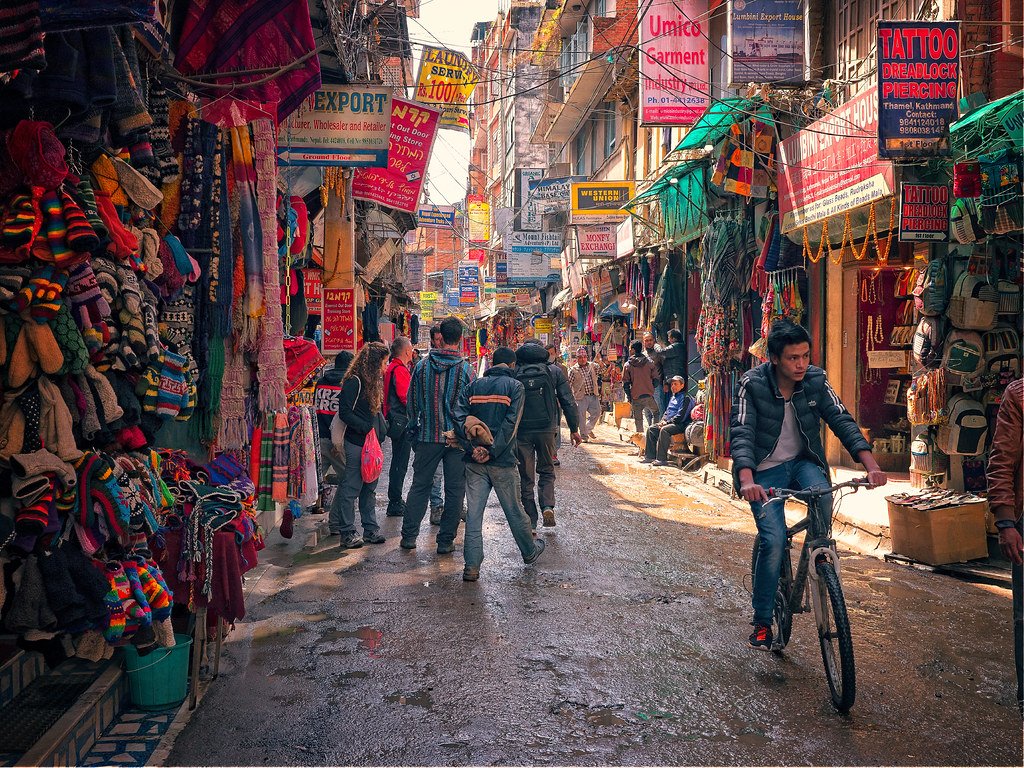
One area I would recommend looking at is Thamel. It is packed with restaurants, cafés, guesthouses, trekking shops, travel agencies, temples and narrow streets. Early morning walks are quieter glimpses of daily life, though they can be busy.
For travelers interested in history and architecture the Kathmandu Valley is especially important. It contains seven monument zones that are a UNESCO World Heritage site:
- Changu Narayan Temple – An old Hindu temple dedicated to Vishnu.
- Patan Durbar Square – An area known for its traditional Newari architecture and artistic heritage.
- Pashupatinath Temple – One of the most significant Hindu religious sites of Nepal situated on the banks of the Bagmati River.
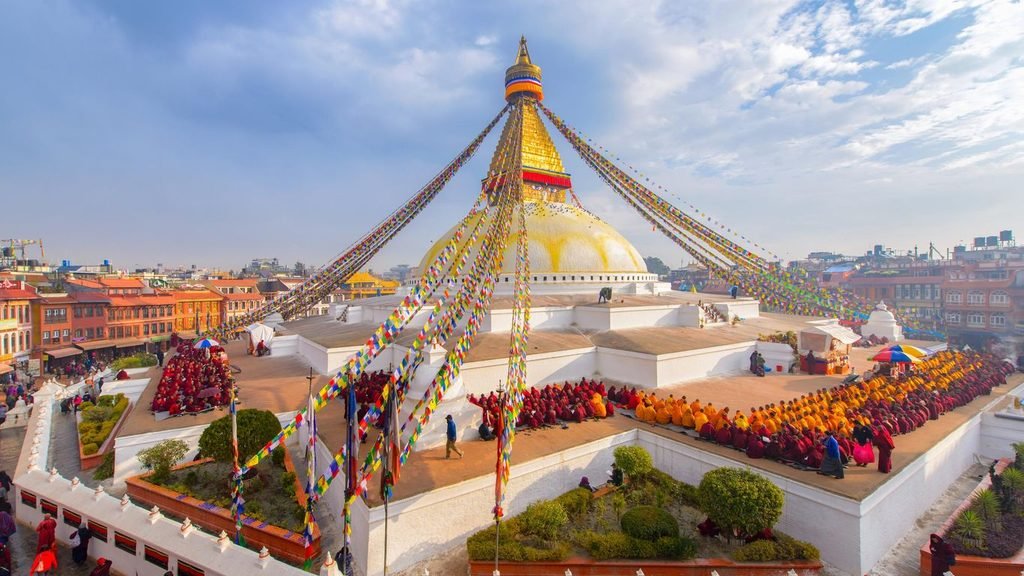
- Boudhanath Stupa – One of the most iconic landmarks in Kathmandu and a major place of pilgrimage for Buddhists.
- Swayambhunath Stupa Perched on a hilltop overlooking the valley, this is often referred to as the Monkey Temple.
- Kathmandu Durbar Square – A historic complex of palaces and temples in the heart of the capital.
- Bhaktapur Durbar Square – In the separate city of Bhaktapur, noted for its well-preserved traditional architecture.
The valley also provides an opportunity to learn more about the Newar community, whose artistic traditions have made a significant contribution to the architecture, wood carving and cultural heritage of the region.
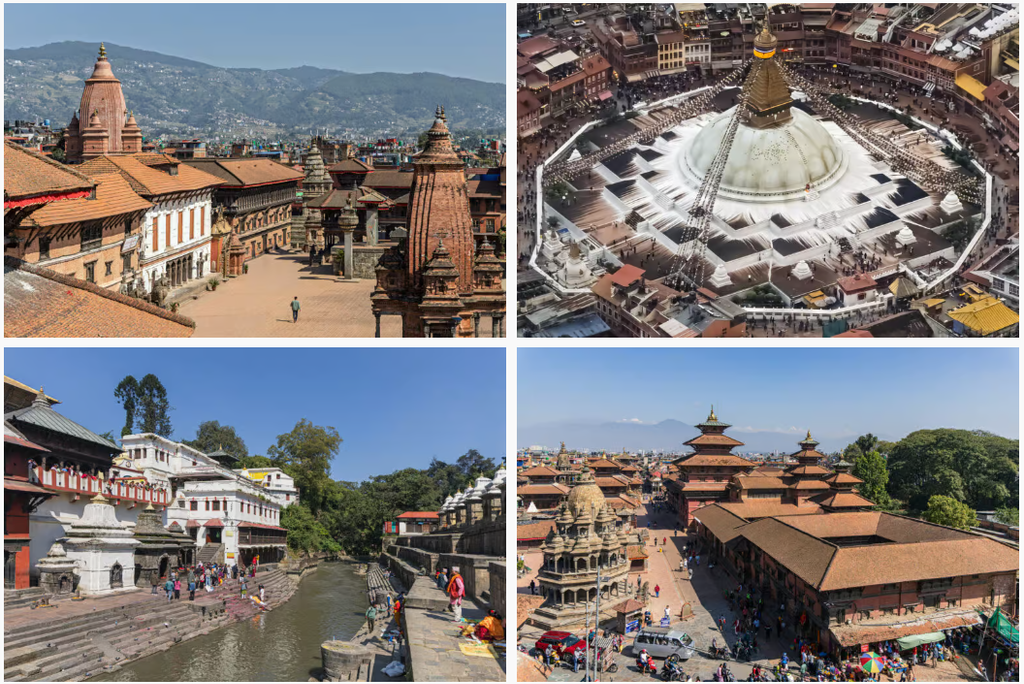
Khokana can be another interesting stop for travelers looking for a quieter experience. This historic Newar village is near Kathmandu, but has a much slower atmosphere. Its traditional mustard-oil production is especially interesting to see.
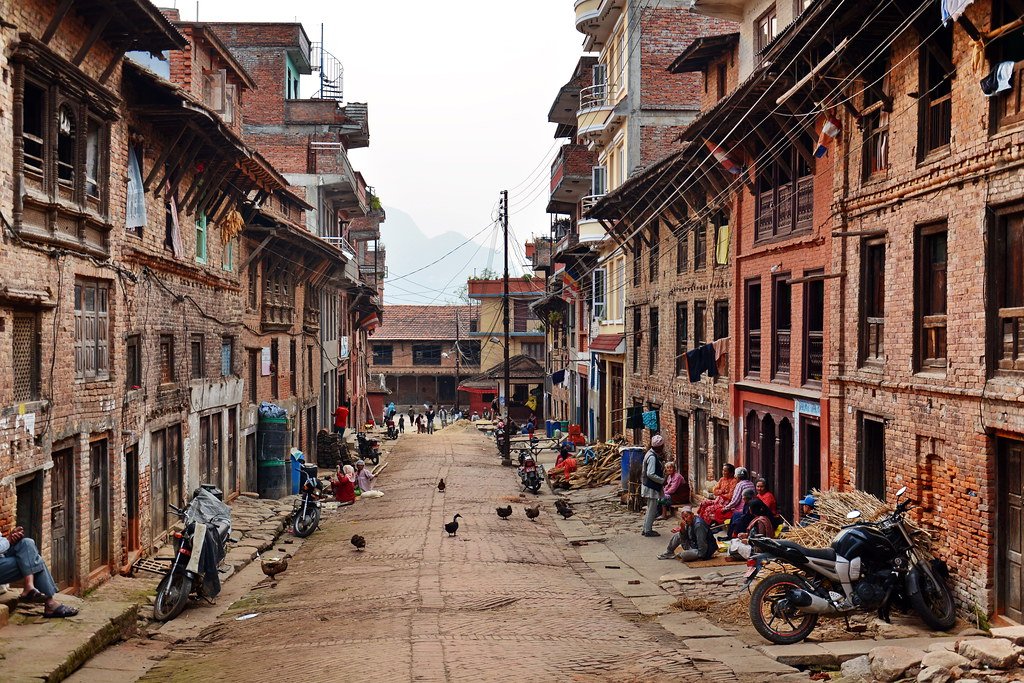
Nagarkot: Mountain Views Without a Long Trek
After Kathmandu, Nagarkot is a good option for those who want mountain scenery but don’t want to commit to a long Himalayan trek.
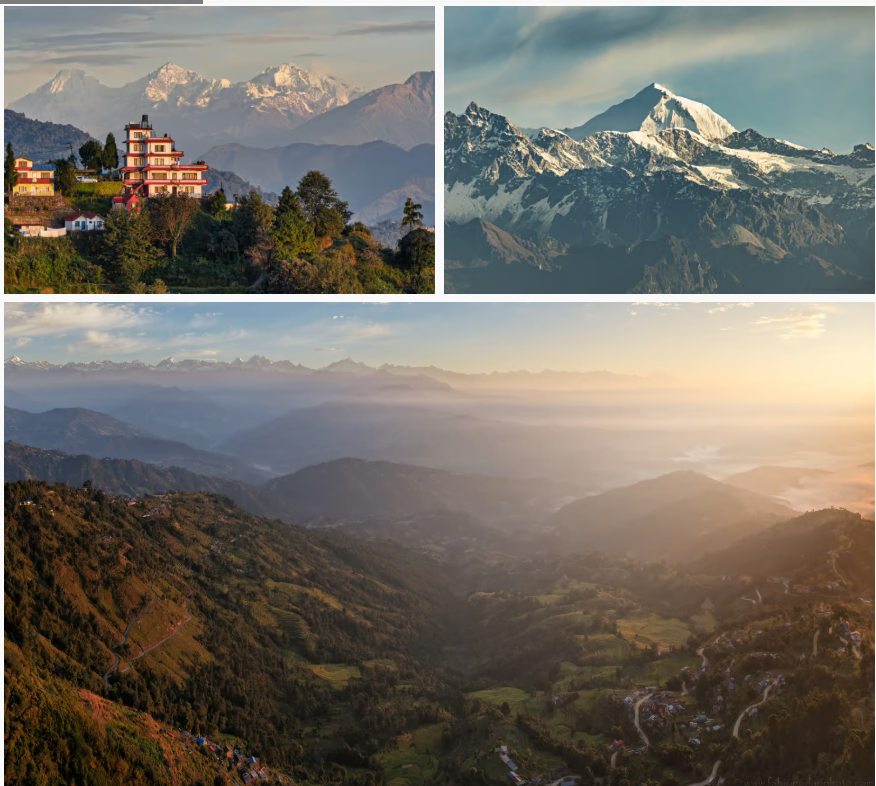
Situated on a ridge at about 2,000 meters, Nagarkot is especially famous for its sunrise views. On a clear morning, travelers can view several Himalayan ranges like Langtang and Ganesh Himal.
This kind of destination appeals to me particularly as it shows you don’t have to do a grueling multi-day trek to experience the Himalayas.
2 Days in Pokhara: Lakes, Mountains, and Viewpoints
Pokhara is a world away from Kathmandu. It’s more relaxed and surrounded by mountains, with Phewa Lake offering one of its most iconic sights.
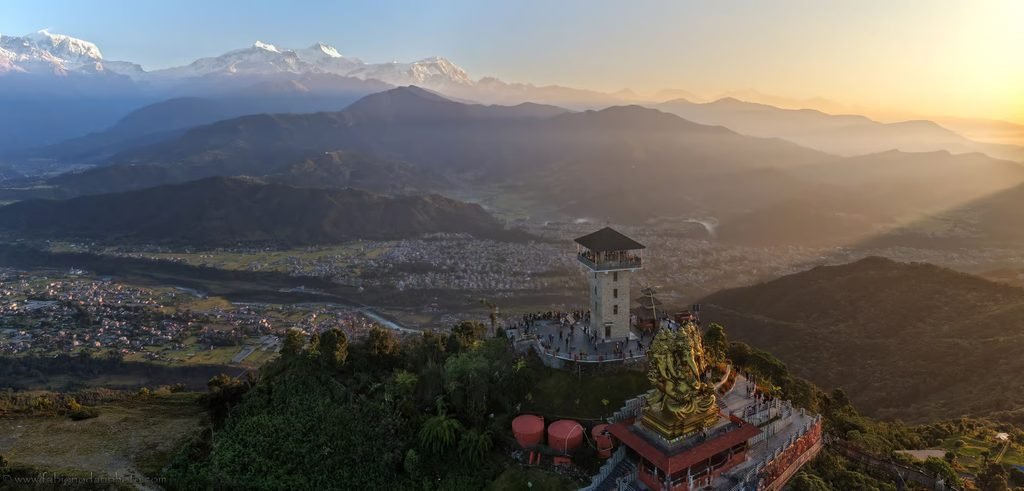
The city is also a good base for outdoor activities, short hikes, mountain excursions and visits to nearby villages.
Sarankot
Located near Pokhara, Sarangkot is among the most popular viewpoints around the Pokhara. It is particularly famous for its sunrise views over the Annapurna range.
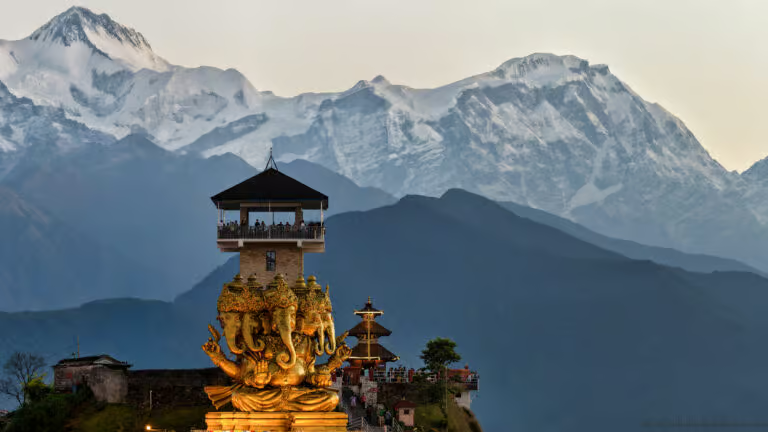
If photography is your thing it is worth the early start, the light changes through the morning and you get different views of the mountains.
Pumdikot Viewpoint
Another option to consider is Pumdikot, with a large Shiva statue and views over the surrounding landscape.
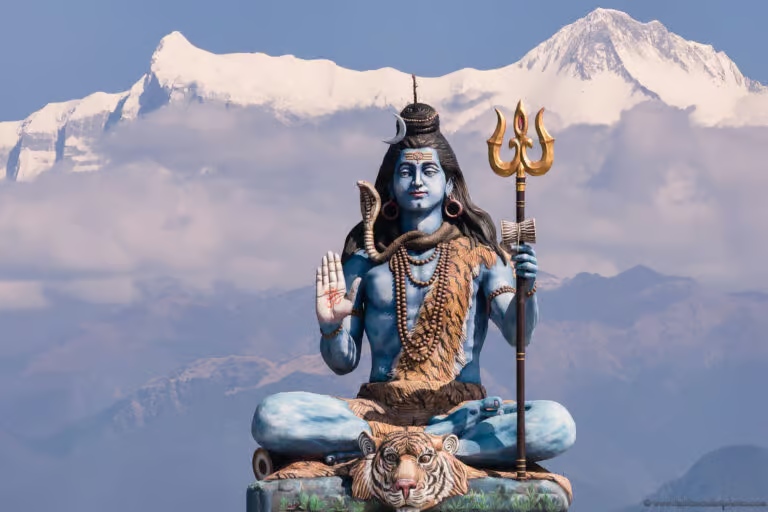
From this angle the mountains seem further than Sarangkot but it offers a different view and can be easily slotted into a Pokhara itinerary.
World Peace Pagoda
Shanti Stupa (World Peace Pagoda) is a hilltop pagoda that overlooks Pokhara and Phewa Lake.
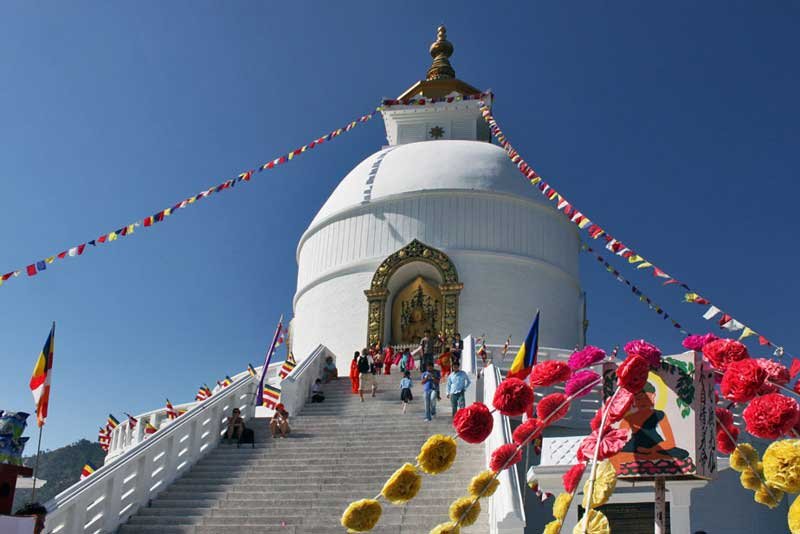
It’s an interesting place for travelers interested in Buddhist culture as well as scenic views thanks to the white monument and surroundings.
Gupteshwor Mahadev Cave and Devi’s Fall
Gupteshwor Mahadev Cave and nearby Devi’s Fall are suitable for shorter excursions.
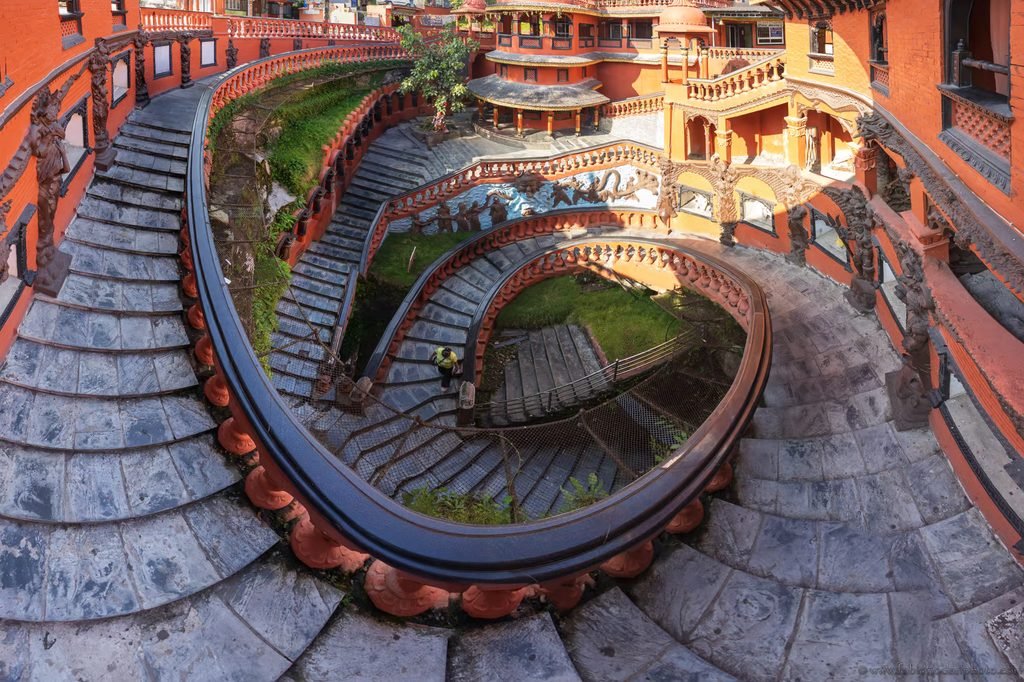
Another quick stop in the area is the waterfall, and the cave is an important religious site. In all, they make for a half-day’s exploration around Pokhara.
Ghandruk: A Mountain Village With Incredible Views
For travelers looking to experience traditional mountain communities, Ghandruk is an interesting addition to the itinerary.
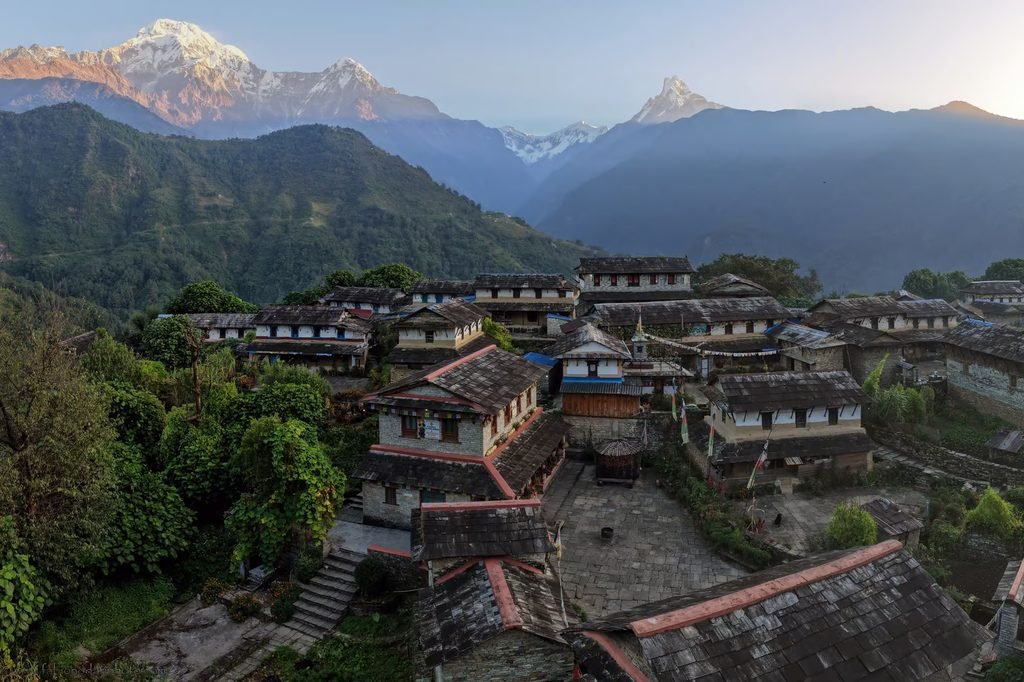
The village is a Gurung settlement and surrounded by dramatic mountain scenery. Traditional houses, local culture and views of peaks like Machhapuchhare make the area especially attractive for photographers.
However, travelers should not expect to be totally cut off. Ghandruk is popular and some areas can be crowded with visitors.
If photography is your priority, visiting the older part of the village around sunrise can offer a different atmosphere and beautiful mountain views.
Dhampus: A Quieter Mountain Experience
Dhampus is near Pokhara and offers another opportunity to experience village life and the mountains.
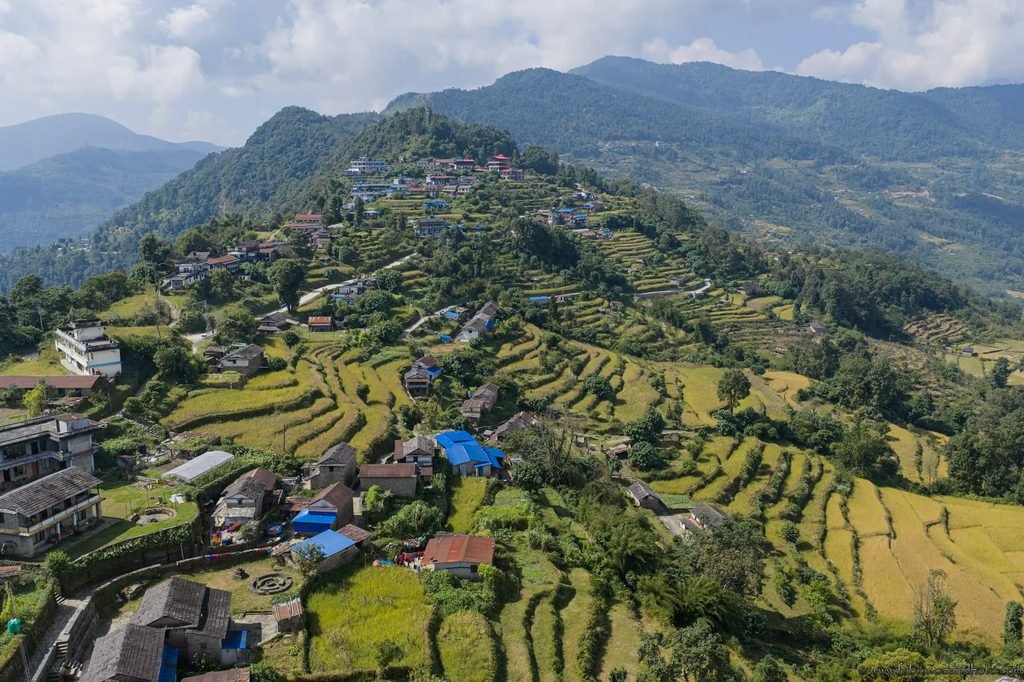
The views of rice terraces and the Annapurna range along the way can make the journey part of the experience.
Compared to some of the more popular villages, Dhampus can feel more relaxed, making it a good place to slow down and enjoy the surrounding landscape.
Astam: Rural Life Near Pokhara
Astam is one place that is ideal for travelers looking for a quieter experience.
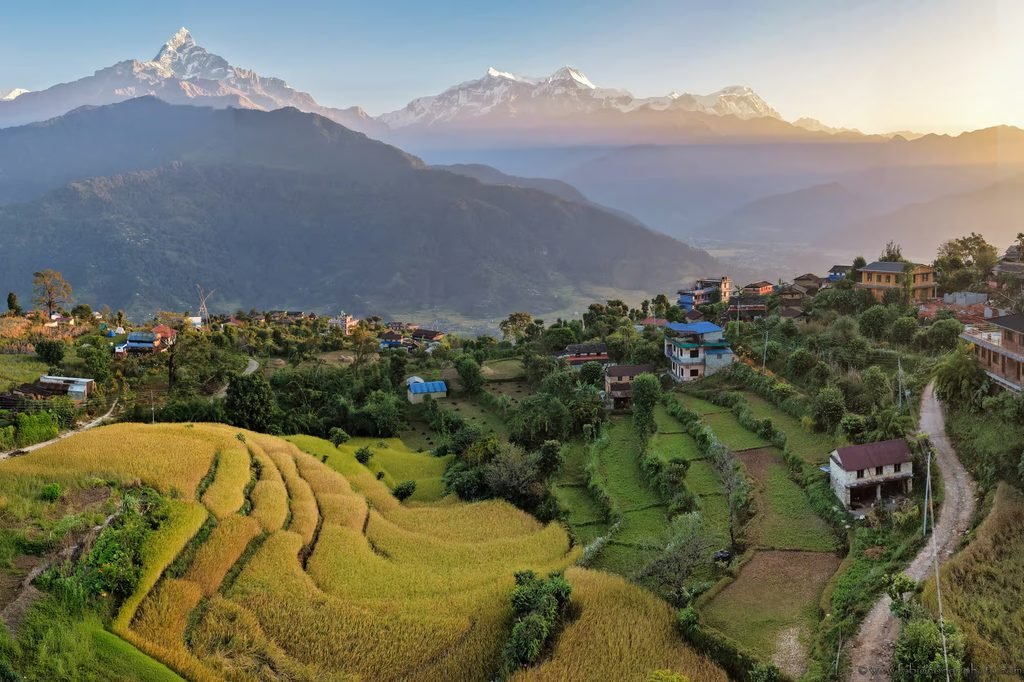
Green hills, agricultural terraces and traditional homes surround the village. Rather than focusing on major tourist attractions, a visit here is more about walking around, observing everyday life and enjoying the landscape.
“Places like Astam are especially important for travel writers as they reveal another side of Nepal, the everyday moments that are often more memorable than the famous sites.”
The sunrise is also a good time to explore the area, particularly for photography.
Chitwan: Discover Nepal Beyond the Mountains
One of the most surprising things about Nepal is how fast the landscape changes when you head south.
Situated in the low-lying Terai region, Chitwan has forests, grasslands, rivers and wildlife instead of snow-capped mountains.
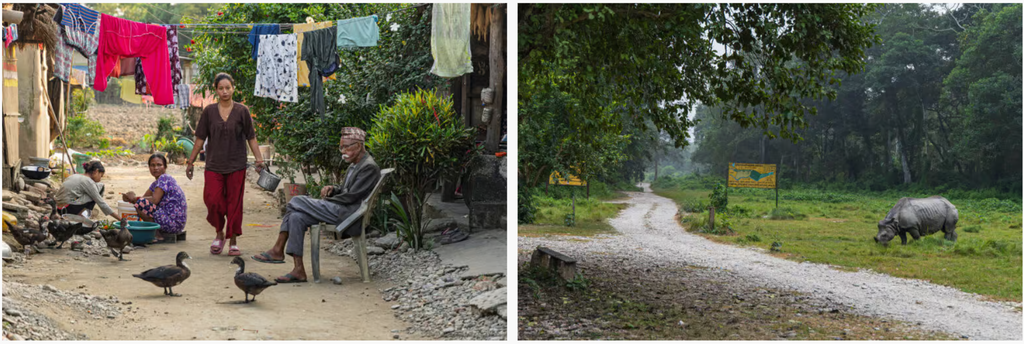
The Tharu community, whose traditions and lifestyle are deeply tied to the Terai environment, is also found in the area. Exploring the local villages can give you a different cultural perspective than Kathmandu and the mountain regions.
Chitwan National Park is one of the major highlights for wildlife lovers. Visitors can look for animals such as rhinoceroses, elephants, birds and, if lucky, tigers.
Activities vary according to itinerary and local regulation, and may include jeep safaris, canoe trips and guided walks.
This is one of the strongest reasons for me to put Chitwan on a Nepal itinerary. It illustrates how much the country’s landscape can change on a relatively short trip.
Nepal and Tibet: Two Different Travel Experiences
Himalayan culture and landscapes are often explored by combining Nepal and Tibet. But, they provide different types of travel experiences.
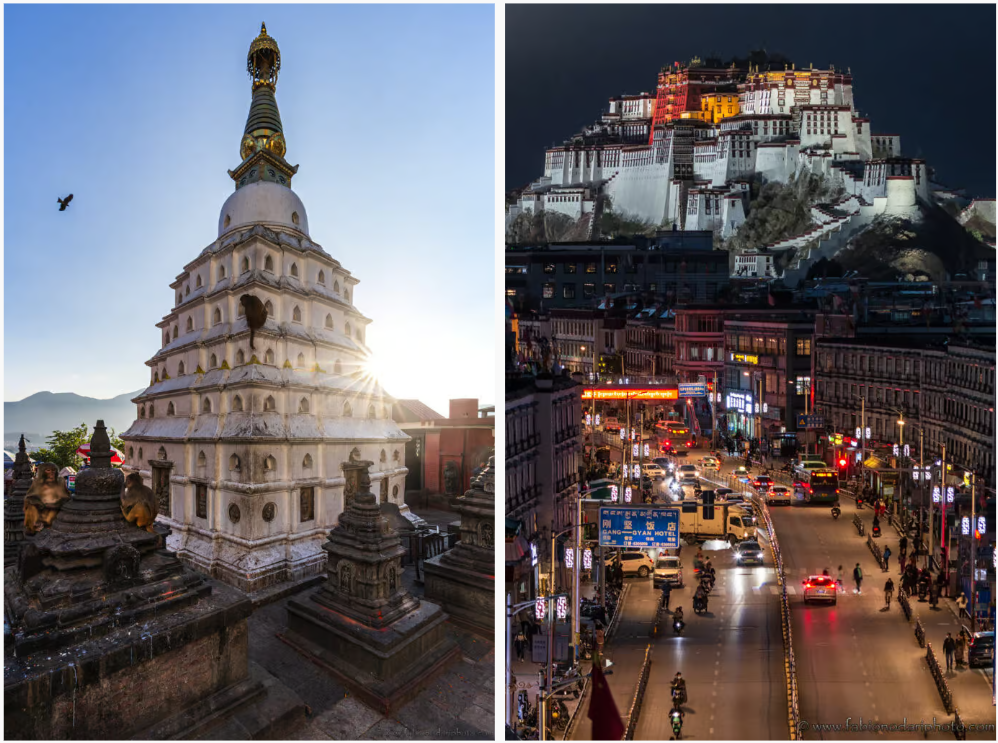
Nepal is a small country and a traveler can experience mountains, cities, villages, forests and wildlife in one trip.
Tibet, in contrast, is based on the expansive Tibetan Plateau and offers a very different setting with the high-altitude terrain and Tibetan Buddhist heritage.
There are also different travel requirements. Travelers planning either destination should check current entry rules, permits and guide requirements as regulations can change.
If time is tight, Nepal offers you the chance to mix and match different landscape and cultural experiences without having to spend your whole time traveling from one remote location to another.
Final Thoughts
What I love most about Nepal is the diversity of experiences all in one country.
While the Himalayas may be the image most people associate with Nepal, the country goes far beyond its famous mountains. With centuries of religious and architectural heritage, Kathmandu. Pokhara has lakes and mountain views. Villages such as Ghandruk, Dhampus and Astam provide an opportunity to experience rural life, while Chitwan introduces travelers to the tropical side of Nepal and its wildlife.
I think these different experiences are what make a destination worth exploring as a travel content writer. Nepal is much more than long mountain treks. It can also be a destination for culture, photography, wildlife, history and slow village experiences.
For those planning their first trip I would think about creating an itinerary that includes the well known attractions and some less busy places. Sometimes the most memorable part of a trip isn’t seeing a famous monument, but walking through a quiet village, meeting local people, or watching the landscape change along the road.








Leave a Comment
Your email address will not be published. Required fields are marked with *