
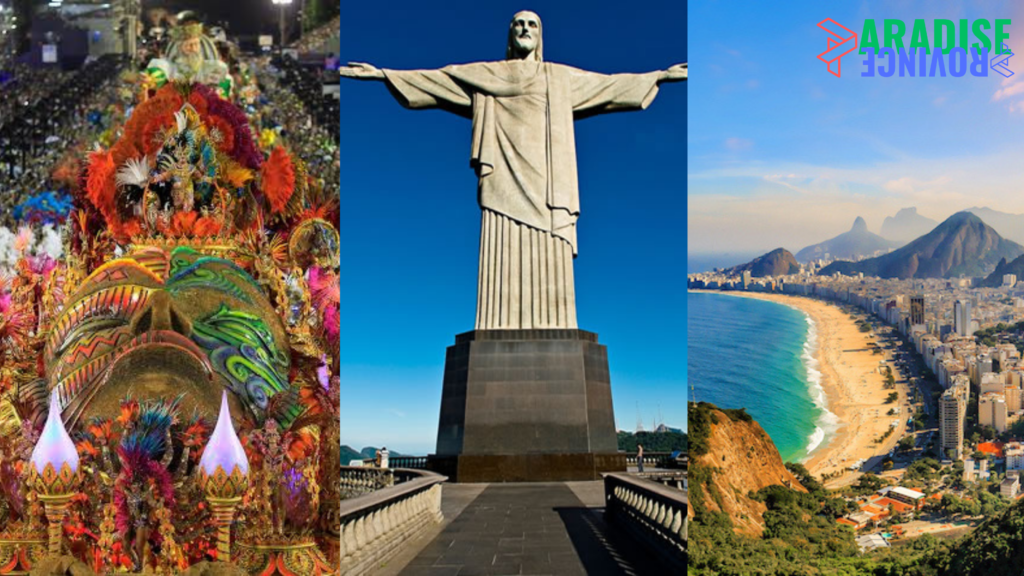
Rio de Janeiro is one of those cities that looks almost unreal before you arrive. Mountains rise directly behind urban neighborhoods, tropical forest appears between skyscrapers, enormous beaches form part of everyday city life, and one of Christianity’s most recognizable images stands above everything with arms extended over Guanabara Bay. That combination explains why Rio
Rio de Janeiro is one of those cities that looks almost unreal before you arrive. Mountains rise directly behind urban neighborhoods, tropical forest appears between skyscrapers, enormous beaches form part of everyday city life, and one of Christianity’s most recognizable images stands above everything with arms extended over Guanabara Bay.
That combination explains why Rio remains one of Brazil’s best-known international leisure destinations. Rio is much more than Christ the Redeemer and Copacabana. Portuguese colonial history, African-Brazilian culture, Catholic traditions, samba, football, bossa nova, Atlantic rainforest and beach culture all overlap here.

This guide explores ten compelling reasons to visit Rio de Janeiro, with special attention to the stories behind its landmarks, Christian significance where relevant, affordability and practical safety. It then recommends five additional Brazilian destinations that reveal very different sides of the country.
1. Visit Christ the Redeemer for More Than Just the Photograph
Christ the Redeemer is the obvious starting point, but it should not be treated merely as a photo opportunity. The statue stands on Corcovado Mountain above the city and was inaugurated on October 12, 1931. The monument itself is about 30 metres tall, rising to approximately 38 metres when its pedestal is included. It has become one of Brazil’s defining symbols and was selected as one of the New Seven Wonders of the World in 2007.

The view is extraordinary: Sugarloaf Mountain, Guanabara Bay, Rodrigo de Freitas Lagoon, beaches and the dense city become visible from one location when the weather is clear.
It combines one of the world’s most recognizable monuments with an exceptional panorama of Rio.
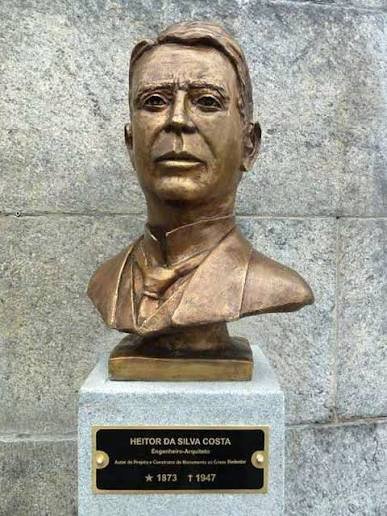
Interesting story: Engineer Heitor da Silva Costa led the project. An earlier concept showed Jesus holding a cross and the world; the familiar outstretched-arm design later emerged and visually forms a cross across the skyline.
Who visited: Popes, presidents, musicians, athletes and millions of travelers have visited. Pope Francis came to Rio for World Youth Day in 2013 and referred to Christ the Redeemer embracing and blessing visitors from Corcovado.
Importance: Christ the Redeemer is an active Catholic sanctuary rather than merely Christian-themed public art. Mass is celebrated there, and the chapel dedicated to Our Lady of Aparecida provides a place for prayer.
Affordability: It is not Rio’s cheapest attraction because transportation and admission are paid, but official train and authorized transport options allow visitors to avoid premium private tours.
Safety: The official visitor routes are highly organized and heavily touristed. Use authorized transportation and keep valuables secure in crowded boarding areas.
2. Experience Copacabana and Ipanema
Copacabana and Ipanema are more than beaches. They are part of Rio’s social life. People exercise along the waterfront, play football and volleyball, meet friends at kiosks and remain outside into the evening. The city’s geography means that mountains remain visible while you are standing beside the Atlantic.
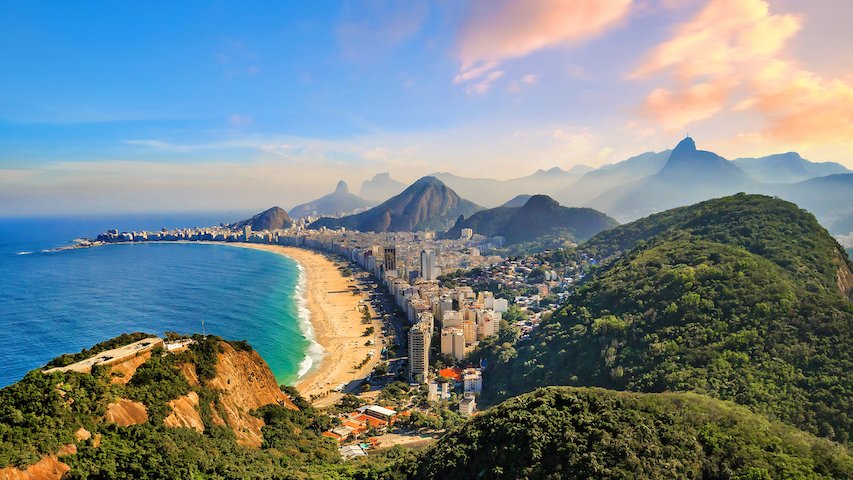
Ipanema also gained international fame through the bossa nova standard “The Girl from Ipanema,” which helped carry Rio’s musical culture around the world.
They provide a low-cost way to experience the outdoor lifestyle for which Rio is famous.
Interesting story: Ipanema became inseparable from the global rise of bossa nova, while Copacabana has hosted some of Rio’s largest public celebrations and religious gatherings.
Who visited: The beaches have welcomed world leaders, entertainers, athletes and enormous international crowds. Pope Francis addressed World Youth Day gatherings on Copacabana in 2013.
Importance: The beaches are not pilgrimage sites, but Copacabana became an important setting for World Youth Day, including the Way of the Cross and major Catholic gatherings.
Affordability: Walking and relaxing on the public beaches costs nothing. Spending rises mainly with chairs, umbrellas, food, drinks and beachfront accommodation.
Safety: Do not leave phones, wallets or bags unattended while swimming. Bring only what you need and avoid isolated stretches late at night.
3. Ride to Sugarloaf Mountain
Pao de Acucar, or Sugarloaf Mountain, rises dramatically beside Guanabara Bay. The cable-car journey is part of the experience, taking visitors through elevated viewpoints over Urca, Botafogo, Copacabana and the bay.
The attraction is particularly beautiful near sunset, when the mountains, ocean and city begin to change color before thousands of lights appear along the shoreline.

It offers one of Rio’s finest panoramic experiences and a different perspective from Corcovado.
Interesting story: Sugarloaf’s cable-car system has been part of Rio tourism for generations, making the journey itself an important piece of the city’s visitor history.
Who visited: It has welcomed generations of international visitors, public figures and entertainment personalities.
Importance: It has no direct Christian role, but its landscape can provide a contemplative view of Rio’s natural environment.
Affordability: It is a paid attraction. Travelers on a strict budget may choose between Sugarloaf and Corcovado rather than purchasing every premium viewpoint.
Safety: Official facilities are controlled and highly visited. Continue normal city precautions while traveling to and from Urca.
4. Experience Rio Carnival
Rio Carnival is not simply a parade. It is a citywide cultural event shaped by European pre-Lenten traditions, African-Brazilian musical heritage, samba schools, neighborhood communities and generations of creative competition.
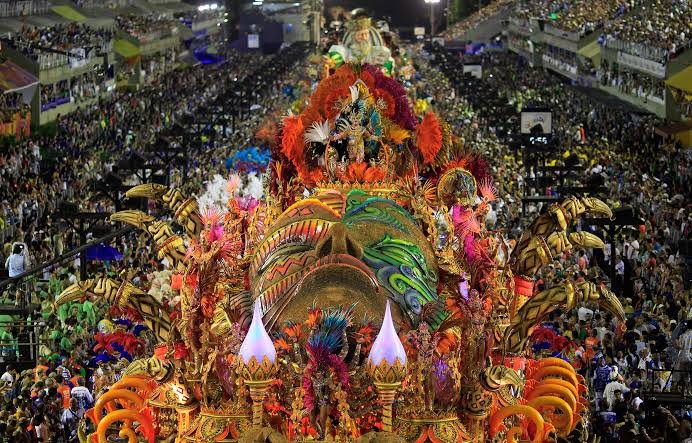
Visitors can experience spectacular Sambadrome parades or join neighborhood blocos and street celebrations. The symbolic presentation of the city key to King Momo remains part of the opening tradition.
Few events demonstrate Rio’s music, costume, community pride and public energy on the same scale.
Interesting story: Carnival developed from pre-Lenten festivities but was transformed in Brazil by African and local cultural traditions into something distinctly Brazilian.
Who visited: The festival attracts international celebrities, performers and travelers from around the world every year.
Importance: Carnival’s calendar is historically linked to the period immediately before Lent. Modern Carnival is primarily cultural and secular, but its timing cannot be understood without the Christian liturgical calendar.
Affordability: Street celebrations can be inexpensive, while premium Sambadrome seats and Carnival-season accommodation can be costly.
Safety: Carry very few valuables in dense crowds. Phone theft and pickpocketing are realistic concerns during large street celebrations.
5. Discover Rio’s Nature and Tijuca Forest
One of Rio’s unusual qualities is the way dense urban life meets Atlantic Forest. Tijuca Forest provides hiking, viewpoints, waterfalls and greenery within the metropolitan landscape. Christ the Redeemer itself stands within this mountainous environment.
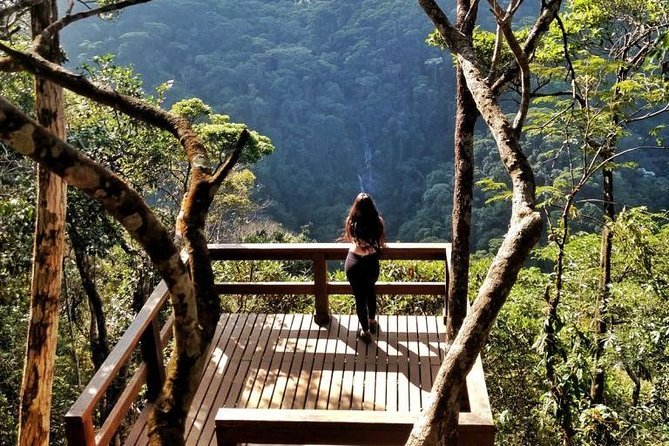
A traveler can spend the morning in a dense urban district, move into tropical forest in the afternoon and finish the day beside the ocean.
Rio offers an unusual combination of metropolis, mountain, rainforest and beach in one destination.
Interesting story: Tijuca is closely connected with Rio’s environmental history and with Corcovado, making the forest part of the visual story behind Christ the Redeemer.
Who visited: The park and Corcovado attract millions of domestic and international visitors.
Importance: The natural setting can add a contemplative dimension to visiting Corcovado and the sanctuary.
Affordability: Many outdoor experiences are inexpensive compared with premium attractions, although guided hikes and transportation add cost.
Safety: Use established trails, travel in daylight and consider an experienced guide for less familiar routes.
6. Understand Brazil Through Samba and Bossa Nova
Music is not something Rio keeps inside concert halls. Samba is deeply tied to Afro-Brazilian cultural traditions and to the development of Carnival and Rio’s samba schools. Bossa nova emerged much later, particularly in the late 1950s and early 1960s, combining samba rhythm withsophisticated harmony and a more restrained performance style.

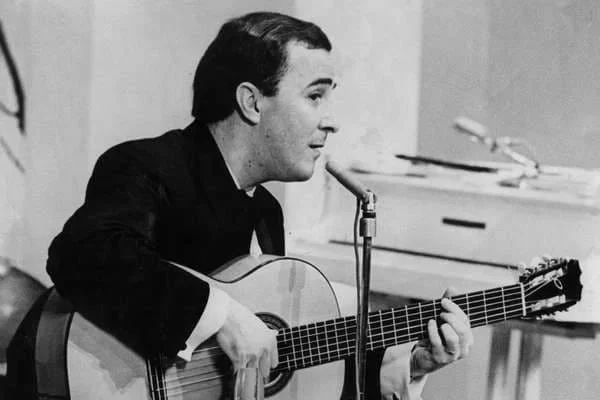
Experiencing live music helps explain Rio in a way that sightseeing alone cannot.
Rio is central to the history of two Brazilian musical traditions that achieved international recognition.
Interesting story: Bossa nova developed in Rio and eventually became one of Brazil’s most recognizable cultural exports.
Who visited: International musicians and artists have long traveled to Rio because of its musical reputation.
Importance: Samba and bossa nova are cultural rather than specifically Christian traditions. Travelers should approach their African-Brazilian and secular histories respectfully.
Affordability: Local music can be experienced without buying elite concert tickets; legitimate samba circles and smaller venues can be good-value options.
Safety: Research the neighborhood and use reputable transport when returning from nightlife areas.
7. See the Maracana and Brazilian Football Culture
Brazil’s relationship with football is difficult to understand only through television. The Maracana gives that passion a physical setting. It has hosted World Cup matches, major club rivalries, Olympic events and enormous concerts.
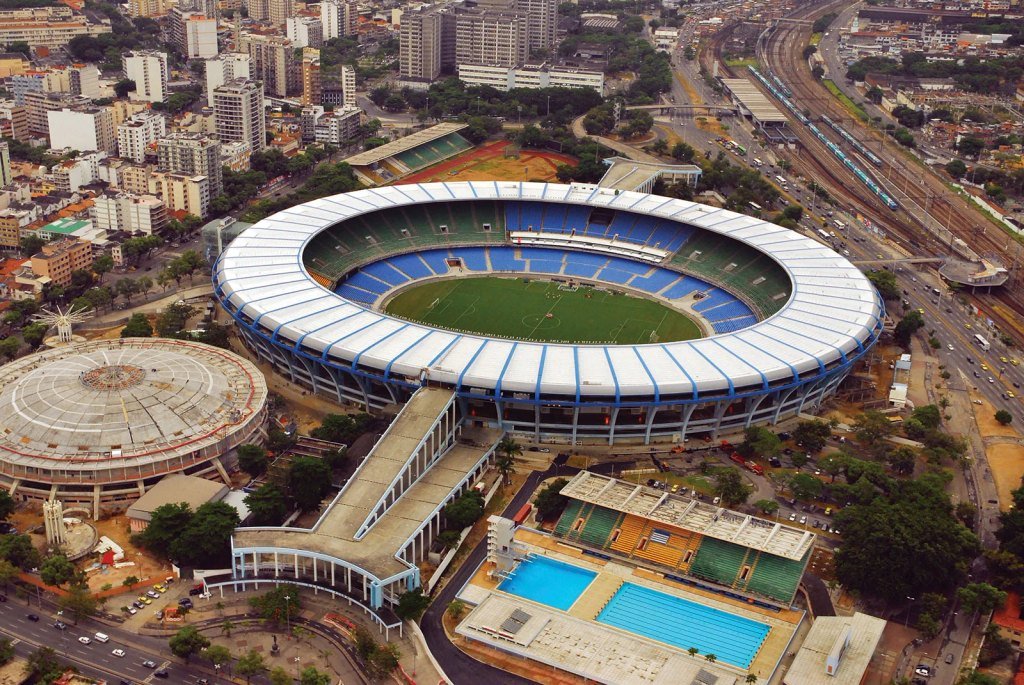
Even visitors who do not follow football can learn something about Brazilian identity by seeing the stadium or attending a properly organized match.
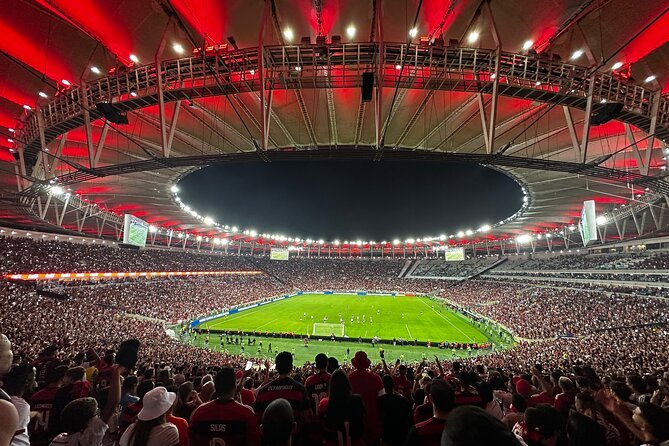
It connects travelers with one of Brazil’s strongest cultural passions.
Interesting story: The stadium has witnessed defining moments in Brazilian and international football history.
Who visited: Some of the world’s greatest footballers, performers and international spectators have passed through the Maracana.
Importance: The stadium is not a Christian pilgrimage site, even though many Brazilian athletes publicly express Christian faith.
Affordability: Stadium tours are usually easier to budget than high-demand match tickets.
Safety: Use official tickets and understand your transport and entrance plan before a major match.
8. Walk Through Rio’s Historical and Religious Architecture
Rio’s beaches can easily overshadow its churches and historic architecture. Candelaria Church and the Metropolitan Cathedral of Saint Sebastian are among the city’s important religious landmarks.
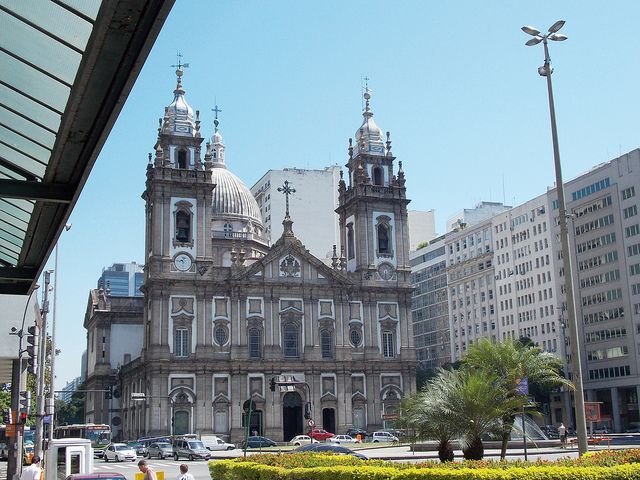
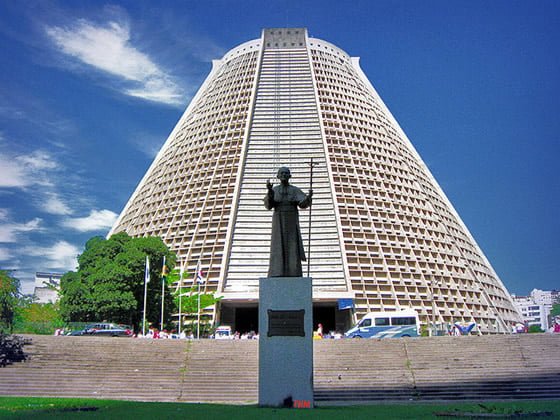
These places provide context for Christ the Redeemer. Brazil’s Christian history predates the 1931 statue by centuries and was shaped by Portuguese colonial rule, Catholic institutions and later Brazilian religious life.
The churches reveal a historical side of Rio that many beach-focused itineraries overlook.
Interesting story: Rio’s religious architecture reflects different periods of Brazilian history, from colonial Catholic institutions to modern architectural experimentation.
Who visited: Pope Francis celebrated Mass with bishops, priests and seminarians at Rio’s Cathedral of Saint Sebastian during World Youth Day 2013.

Importance: These are functioning places of worship with genuine religious significance rather than simply decorative attractions.
Affordability: Many churches are free or inexpensive to enter.
Safety: Check current local advice before walking through quieter downtown streets, particularly outside busy business hours.
9. See the Selaron Steps and Rio’s Creative Side
The Escadaria Selaron transformed an ordinary staircase between Lapa and Santa Teresa into one of Rio’s most recognizable pieces of public art. Chilean-born artist Jorge Selaron gradually covered the steps with colorful tiles, and contributions eventually arrived from around the world.
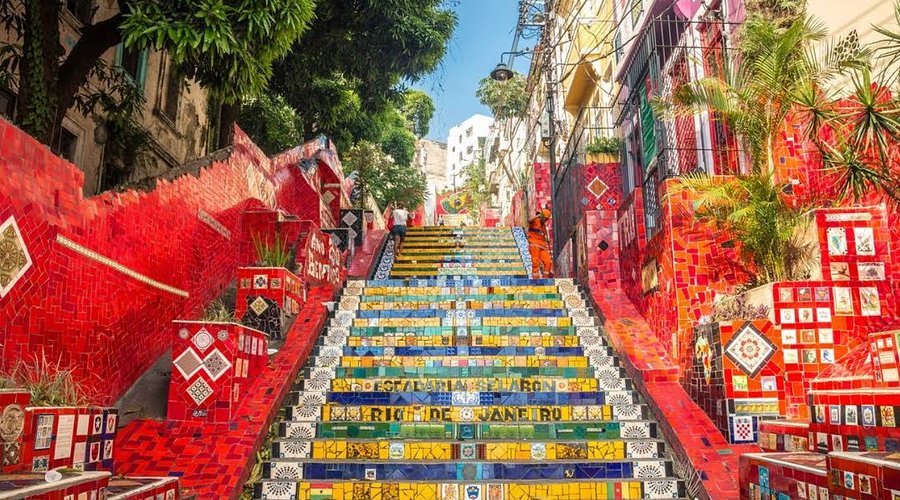
Its appeal comes partly from the fact that it began as one artist’s personal project rather than a monumental government commission.
It demonstrates Rio’s creativity outside formal museums and galleries.
Interesting story: Jorge Selaron spent years continually changing and expanding the staircase, turning a neighborhood feature into an international landmark.
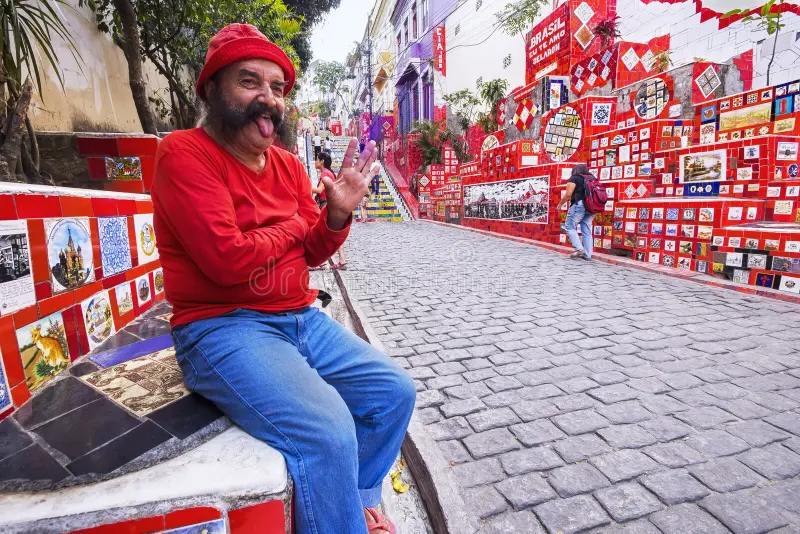
Who visited: Travelers, photographers, musicians and public figures have made the steps one of Rio’s most photographed modern sites.
Importance: The attraction has no major Christian significance; its importance is artistic and cultural.
Affordability: Viewing the public staircase does not require a major admission fee.
Safety: Crowds make it important to secure cameras and phones. Plan transportation carefully when exploring Lapa and Santa Teresa after dark.
10. Visit Rio for Its Extraordinary Variety
Rio’s strongest reason for visiting may be the combination of everything else. One morning can begin with prayer beneath Christ the Redeemer, another with swimming at Ipanema. A traveler can hike in Atlantic Forest, watch sunset from Sugarloaf, explore historic churches, learn about samba and attend a football match without leaving the same city.

That variety makes Rio much more than a beach destination.
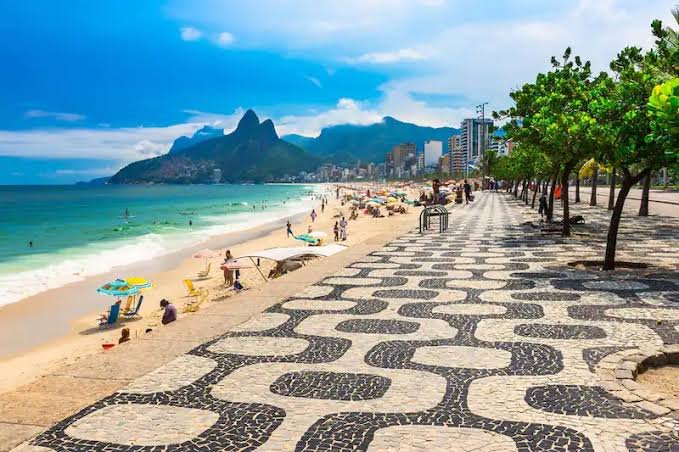
Few cities combine religious heritage, world-famous beaches, tropical forest, mountains, music, football and major cultural events so closely.
Interesting story: Rio’s modern identity developed through Portuguese, African-Brazilian, Indigenous and international influences.
Who visited: The city has hosted popes, presidents, athletes, artists and millions of international travelers.
Importance: Christ the Redeemer and Rio’s churches give Christian travelers genuine places of worship and pilgrimage alongside ordinary tourism.
Affordability: Rio can be expensive in peak seasons, but beaches, public spaces, churches and many outdoor experiences keep a budget trip possible.
Safety: Stay aware rather than fearful: avoid displaying valuables, use reputable transportation at night and seek current local advice before exploring unfamiliar areas.
Getting to Rio de Janeiro From Brazil’s Main Airports
For international travelers, the most direct option is Rio de Janeiro-Galeao International Airport (GIG).
If your international flight arrives at Sao Paulo Guarulhos (GRU), frequent domestic services connect Sao Paulo with Rio.
Brasilia is another important domestic hub. When possible, booking the international and domestic sectors on one itinerary can make missed-connection handling easier than arranging unrelated tickets.
Once in Rio, use official airport transport, licensed taxis or reputable app-based services. Santos Dumont Airport (SDU), closer to central Rio, is particularly useful for many domestic flights.
Five Other Brazilian Destinations Worth Adding
1. Foz do Iguacu and Iguacu Falls
If Rio is Brazil’s great combination of city and nature, Iguacu Falls may be the country’s purest natural spectacle. Foz do Iguacu sits near Brazil’s borders with Argentina and Paraguay, creating a multicultural region whose main attraction is Iguacu National Park.


The falls stretch through a vast subtropical landscape, with numerous cascades and the enormous Devil’s Throat providing the most dramatic section. The experience is physical as much as visual: the roar grows stronger as you approach the walkways, mist covers clothing and camera equipment, and the scale becomes difficult to appreciate until you are standing close to the water.
The city also provides access to the Itaipu hydroelectric complex and the Three Borders area. Travelers interested in nature should allow time for both the Brazilian and, where immigration arrangements permit, Argentine perspectives.
For a Christian traveler, the falls are not a formal religious destination, but a landscape of this scale can naturally become a place of reflection on creation.
How to get there: Fly to Foz do Iguacu International Airport (IGU). Domestic connections are available from major hubs such as Sao Paulo, Rio and other Brazilian cities. Flying is usually far more practical than attempting an extremely long overland journey from Rio. Allow at least two full days, and preferably three if you plan to cross the border or add other regional attractions.
2. Salvador, Bahia
Salvador offers one of the strongest cultural contrasts with Rio. Founded in 1549, it was Brazil’s first colonial capital and remains central to the country’s Afro-Brazilian history. The historic center, including Pelourinho, contains colorful colonial buildings, churches, museums, cultural spaces and steep streets that tell stories of Portuguese rule, the Atlantic slave trade and the development of modern Brazilian culture.
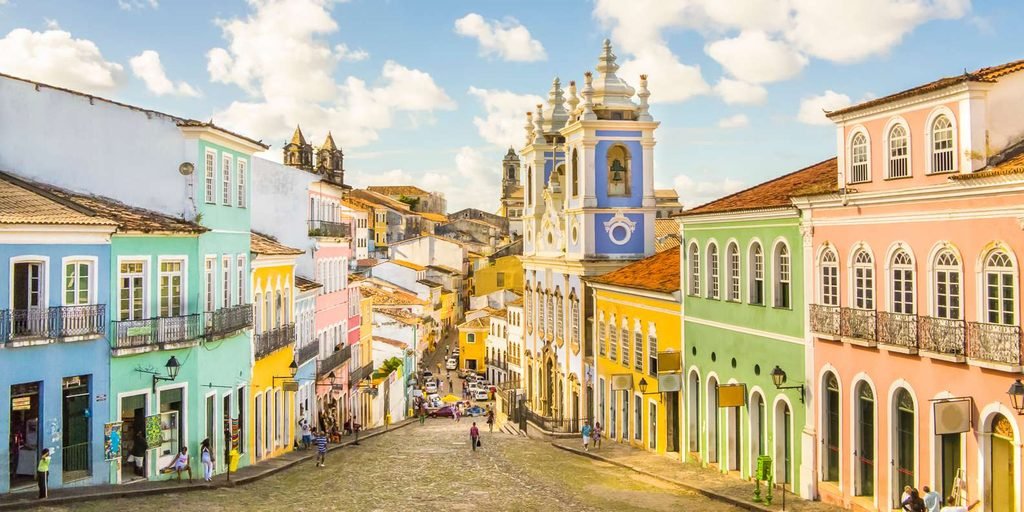
For Christian visitors, Salvador is particularly important. The city contains remarkable Catholic architecture, including the richly decorated Church and Convent of Sao Francisco and the Basilica of Nosso Senhor do Bonfim. The famous Bonfim ribbons are visible throughout the city, while religious celebrations demonstrate the continuing importance of faith in Bahian public life.
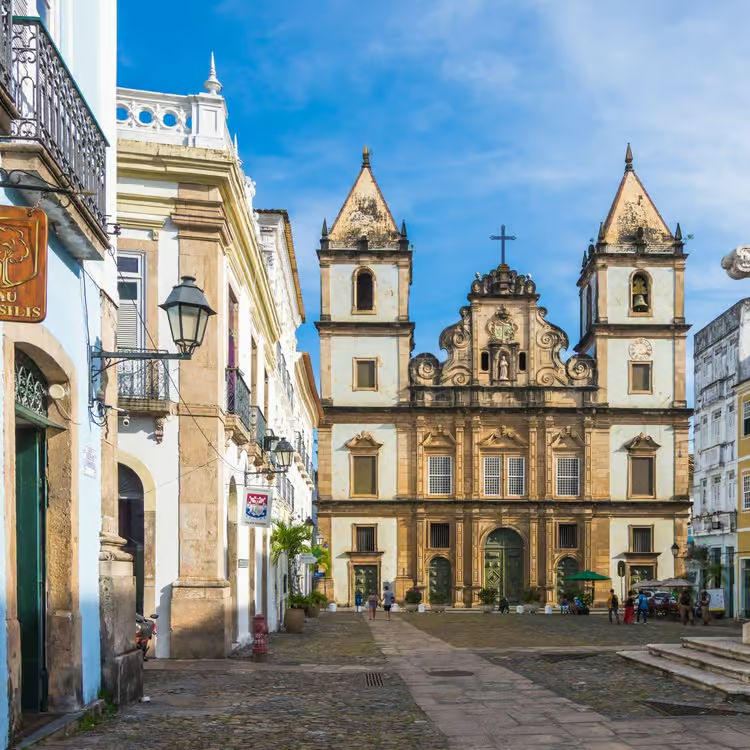
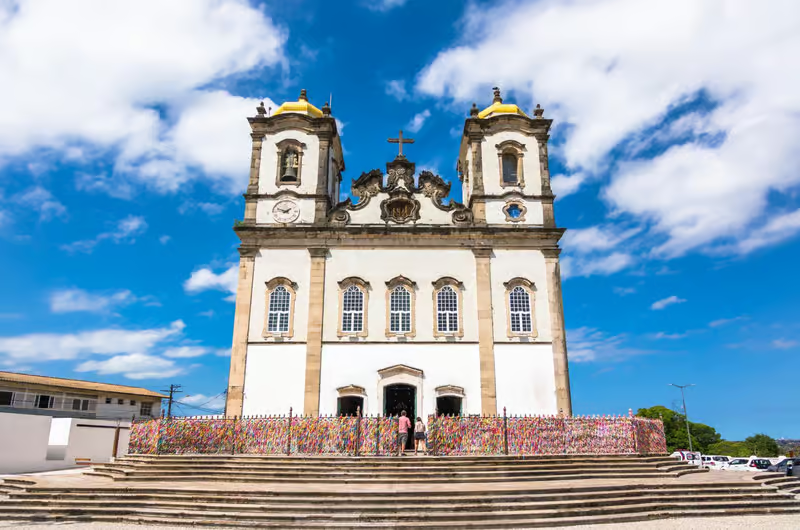
At the same time, Salvador cannot be understood through Catholicism alone. African-derived religious traditions, music, capoeira and food are equally important to the city’s identity. That cultural coexistence is part of what makes Salvador so rewarding.
Food is another major reason to travel here. Acaraje, moqueca and vatapa reveal West African and Brazilian influences that differ sharply from the cuisine travelers may encounter in Rio or southern Brazil.



How to get there: Fly into Salvador International Airport (SSA). Sao Paulo, Rio and Brasilia are useful connection hubs. From the airport, arrange official transport to your accommodation. Give Salvador at least three days, and spend time in the historic center during active daytime and early-evening periods while following current local safety advice.
3. Manaus and the Amazon
Manaus is one of the most practical major gateways for travelers who want their first experience of the Amazon. The city itself tells the story of the rubber boom, when enormous wealth helped finance landmarks such as the Teatro Amazonas. But the real reason many visitors come lies beyond the city streets.
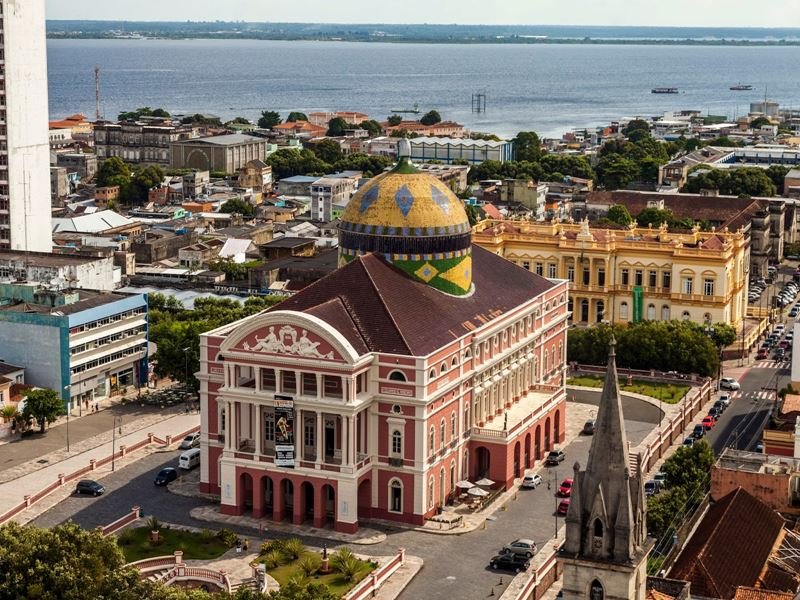
One of the signature excursions is the Meeting of the Waters, where the dark Rio Negro and lighter Rio Solimoes run alongside each other before fully mixing. From Manaus, travelers can continue to forest lodges, river excursions, wildlife trips and riverside communities.
The food changes dramatically as well. Freshwater fish such as tambaqui, tucunares and pirarucu appear alongside Amazonian fruits and ingredients rarely encountered in southern Brazil.



The Amazon should not be approached like an ordinary city attraction. Distances, river conditions, wildlife and weather make responsible guiding important. Choose established operators with good environmental and safety practices rather than automatically selecting the cheapest excursion.
For Christian travelers, the rainforest has no single pilgrimage landmark comparable with Christ the Redeemer. Its significance is more personal: many believers experience the scale and biodiversity of the Amazon through the idea of creation and stewardship.
How to get there: Fly to
. Sao Paulo and Brasilia are important domestic connection points, with other services depending on schedule. Allow at least four or five days if you want meaningful time outside Manaus rather than simply taking one short river excursion.
4. Ouro Preto, Minas Gerais
Travelers interested in Christian art, colonial history and architecture should strongly consider Ouro Preto. The former gold-mining city is built across steep hills, with cobblestone streets winding between colonial houses, plazas, museums and Baroque churches. It became the first Brazilian destination placed on UNESCO’s World Heritage List, in 1980.
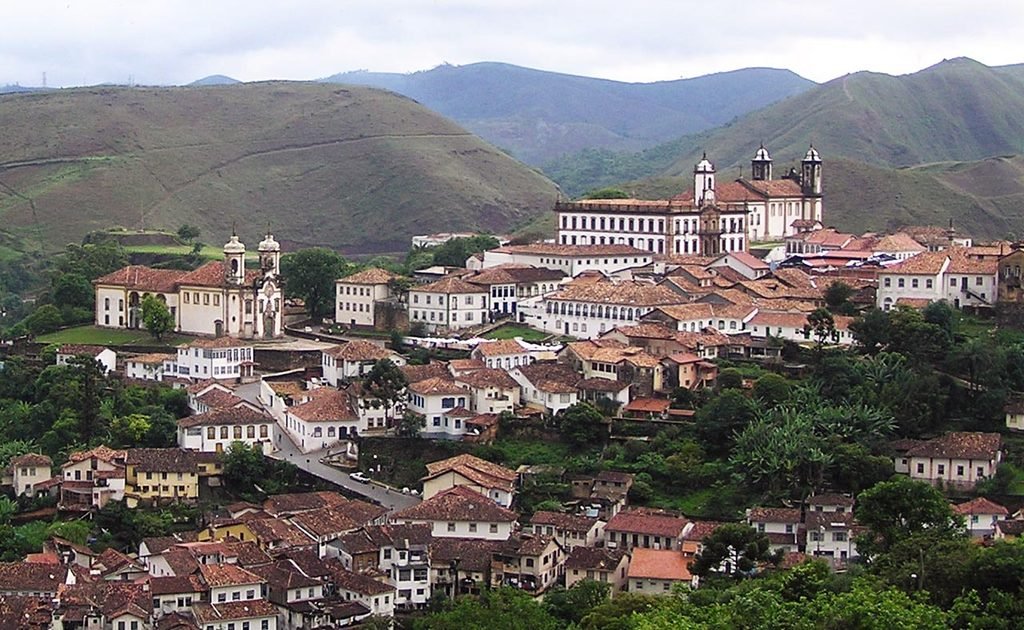
The city’s wealth grew from the gold discoveries of the late seventeenth and eighteenth centuries. That prosperity produced extraordinary religious art and architecture, including works associated with Aleijadinho and Mestre Ataide. The Church of Sao Francisco de Assis and the Matriz de Nossa Senhora do Pilar are among the highlights.
For Christian travelers, Ouro Preto provides a deeper historical encounter with Brazilian Catholicism than most modern destinations. Holy Week remains an important local celebration, with processions, concerts and traditional decorative street carpets.
The beauty must also be understood alongside the painful history that financed it. Enslaved African labor was fundamental to colonial mining. Recognizing that reality makes the churches, mines and historic streets more meaningful rather than less beautiful.
How to get there: The principal air gateway is Belo Horizonte International Airport at Confins (CNF). Ouro Preto is roughly 100 kilometers from Belo Horizonte, and the onward journey can be made by bus, private transfer or rental car. From Sao Paulo, Rio or Brasilia, fly to Belo Horizonte first. Stay at least two nights so you can experience the historic center outside the busiest day-trip hours.
5. Florianopolis, Santa Catarina
Florianopolis is an excellent choice for travelers who enjoy Rio’s coastal lifestyle but want a more relaxed southern Brazilian experience. Much of the city occupies Santa Catarina Island, where urban districts coexist with dunes, lagoons, fishing communities, Atlantic Forest and dozens of beaches.
Different beaches appeal to different travelers. Joaquina and Praia Mole are well known for surfing and active beach culture, while calmer areas work better for families and swimming. Other parts of the island combine restaurants, nightlife and upscale accommodation.
The cultural atmosphere also differs from Rio. Azorean Portuguese heritage remains visible, particularly in historic fishing communities, while broader Santa Catarina culture also reflects later European migration. Seafood is central to local gastronomy, and the city is particularly well known for oysters.
Florianopolis is not primarily a Christian pilgrimage destination, although churches and the Metropolitan Cathedral provide historic religious context. I would choose it mainly as the relaxing portion of a larger Brazil trip.
How to get there: Fly into Hercilio Luz International Airport (FLN). Sao Paulo is one of the easiest connection hubs, with services from other major Brazilian cities depending on schedules. A rental car can be useful because attractions and beaches are spread across the island, although traffic becomes heavy during peak holiday periods. Plan three to five days if you want to explore several parts of the island rather than staying on one beach.
How I Would Combine Rio With the Rest of Brazil
Brazil’s scale makes itinerary planning important. For a first trip of around ten days, Rio plus one additional destination is usually enough. Rio and Foz do Iguacu create an excellent city-and-nature combination. Rio and Salvador work particularly well for travelers interested in culture, religion and Afro-Brazilian history. Rio and Manaus create a dramatic contrast between coastal metropolis and Amazonian landscapes.
With around two weeks, three destinations become realistic. Strong combinations include Rio – Foz do Iguacu – Salvador; Rio – Belo Horizonte/Ouro Preto – Salvador; or Rio – Foz do Iguacu – Manaus.
Because Brazil is enormous, domestic flights are often more practical than long-distance road travel between regions.
Is Rio de Janeiro Worth Visiting?
Yes – but not because everything you have heard about it is true. Rio is not simply beaches and parties. It is also Christian heritage, African-Brazilian history, Portuguese colonial influence, music, football, tropical ecology, architecture and one of the most dramatic urban landscapes in the world.
For Christian travelers, Christ the Redeemer gives Rio an additional dimension that few global tourism cities possess. Yet the best trip does not stop at Corcovado. Walk Copacabana, watch Rio from Sugarloaf, hear samba, explore the churches, visit the forest and learn why Carnival means more than costumes.
Then leave Rio and see another Brazil. Stand beside Iguacu Falls, walk through Salvador’s colonial streets, travel onto the rivers of the Amazon, enter the Baroque churches of Ouro Preto or finish on a beach in Florianopolis. Brazil is not one destination, one culture or one landscape. Rio de Janeiro is simply one of the best places to begin.
Planning Your Next International Adventure?
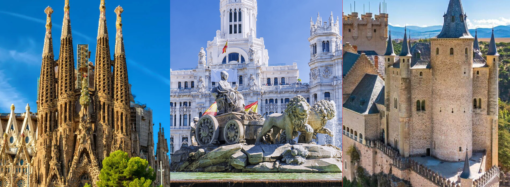
If exploring Rio de Janeiro has inspired you to see more of the world, Spain is another destination worth adding to your travel list. From the artistic streets of Barcelona and historic landmarks of Madrid to the beautiful architecture of Seville, Granada, and Córdoba, every region offers a different experience. Spain is also easy to explore by train, making it possible to combine several cities, beaches, cultural attractions, and historic sites in one journey.
For more travel inspiration, read our 15 Best Places to Visit in Spain and 15 Reasons to Make the Journey guide and start planning your next adventure.














Leave a Comment
Your email address will not be published. Required fields are marked with *