
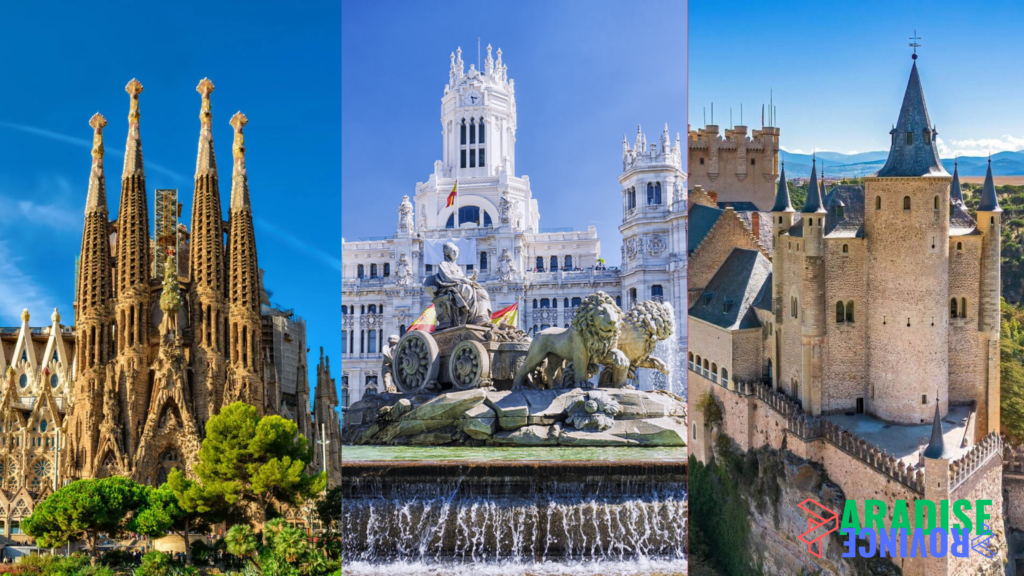
Spain is one of those countries that is difficult to understand from a single city. Madrid gives you royal palaces, world-class museums and late dinners. Barcelona feels Mediterranean and artistic, with Gaudí’s architecture almost turning entire neighbourhoods into open-air galleries. Travel south and Andalusia introduces another Spain—one shaped by Islamic architecture, flamenco, courtyards, whitewashed villages
Spain is one of those countries that is difficult to understand from a single city.
Madrid gives you royal palaces, world-class museums and late dinners. Barcelona feels Mediterranean and artistic, with Gaudí’s architecture almost turning entire neighbourhoods into open-air galleries. Travel south and Andalusia introduces another Spain—one shaped by Islamic architecture, flamenco, courtyards, whitewashed villages and intense summer heat. Head north and the landscape becomes greener, the food changes, and cities such as Bilbao and San Sebastián can feel culturally distinct from the Mediterranean coast.
That variety is one of the strongest reasons I recommend Spain to travelers who want more than a simple beach holiday.
Spain’s official tourism authority highlights the country’s combination of food, festivals, cultural heritage, beaches, cities and natural landscapes, noting the influence of Romans, Phoenicians, Celtic peoples, Muslim dynasties and other civilizations that have occupied the Iberian Peninsula over centuries.
The country’s transportation network also makes a multi-city journey surprisingly manageable. High-speed trains connect many of Spain’s major destinations, while Madrid, Barcelona, Málaga, Palma de Mallorca, Alicante, Gran Canaria and Tenerife are among its busiest air gateways. Most major airports are relatively close to their associated city centres.
If I were planning a first serious trip through Spain, these are the 15 places I would put near the top of the itinerary—and 15 reasons why I believe they justify the journey.
1. Madrid — For Art, Royal History and the Energy of the Capital
Madrid is where I would begin if you want the easiest introduction to mainland Spain.
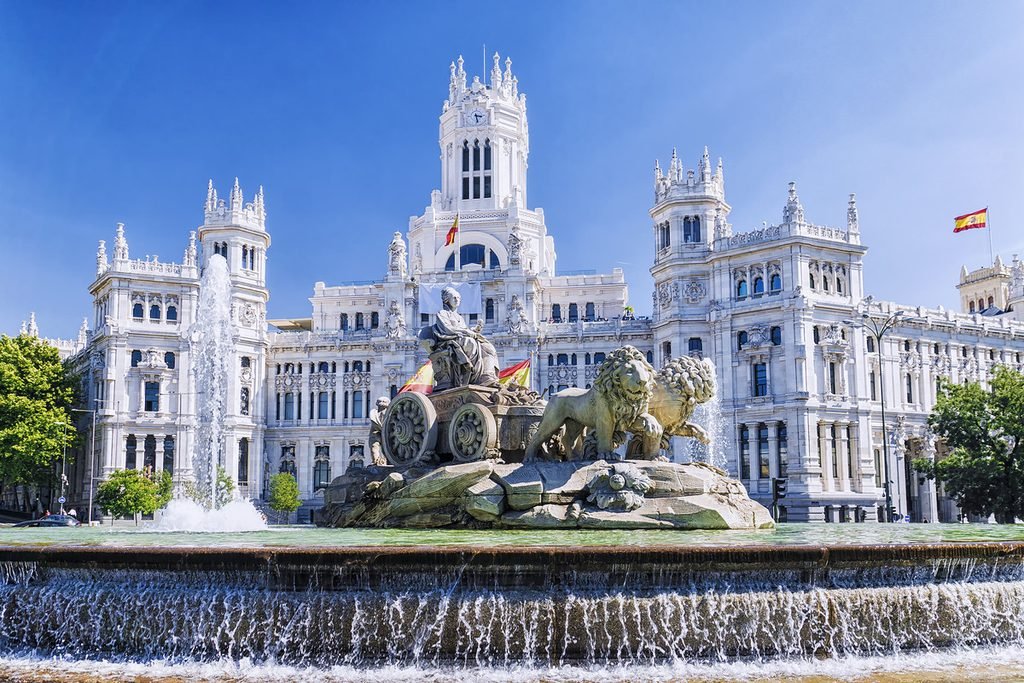
The capital does not have Barcelona’s beaches or Granada’s Moorish palaces, but it has an energy that becomes increasingly enjoyable the longer you stay.
Start with the Prado Museum, home to masterpieces by Velázquez, Goya, El Greco and other European masters. Then continue through Madrid’s celebrated art district toward the Reina Sofía and Thyssen-Bornemisza.
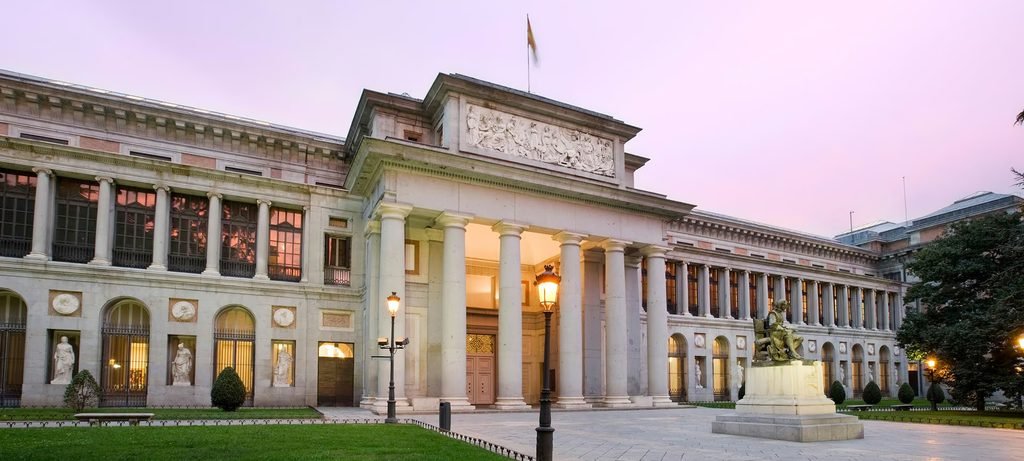
The historic centre is equally rewarding. Walk from Puerta del Sol toward Plaza Mayor, explore the streets of Madrid de los Austrias and continue to the Royal Palace.
Later, visit Retiro Park or spend the evening around La Latina eating tapas. Spain’s official tourism site specifically highlights the Prado-area museums, Gran Vía, historic Habsburg Madrid, Retiro Park and La Latina among the capital’s essential experiences.
How to get there
Adolfo Suárez Madrid-Barajas Airport is Spain’s most useful international gateway for a nationwide trip.
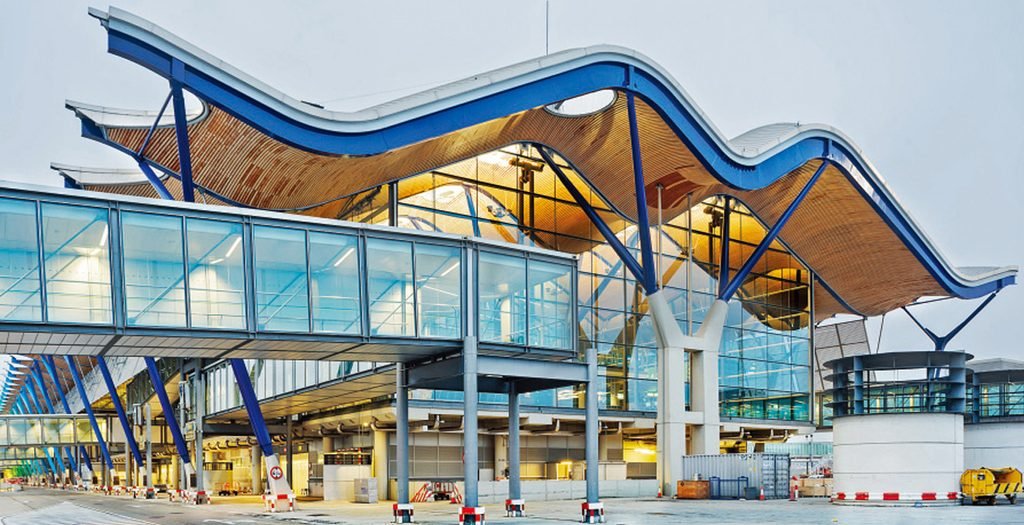
The airport is about 12 kilometres from central Madrid. Metro Line 8 connects the airport with the city network, while Cercanías C-1 and C-10 trains also connect airport terminals with central stations. The official Airport Express bus operates around the clock toward central Madrid.
Why Madrid deserves the trip
Madrid gives you an excellent introduction to Spanish art, nightlife, architecture and dining without requiring a car.
It is also perhaps the best base for beginning a rail journey across Spain.
2. Barcelona — For Gaudí, the Mediterranean and Creative Culture
Barcelona is completely different from Madrid.
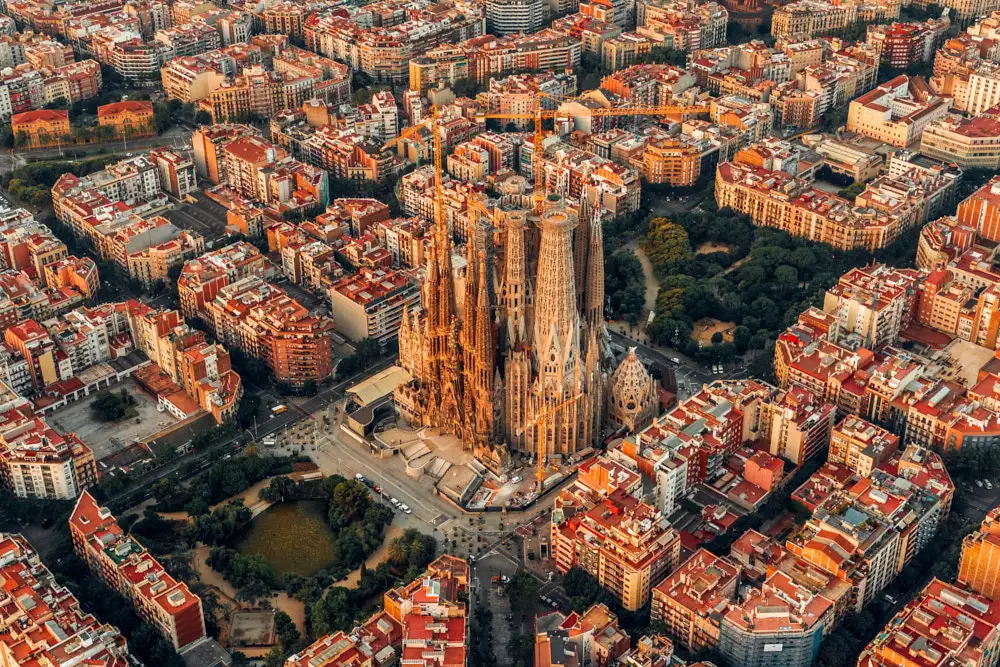
This is Catalonia, and the Catalan identity becomes part of the travel experience. You will see both Catalan and Spanish on signs, menus and public transportation.
The architectural highlight is undoubtedly La Sagrada Família, Antoni Gaudí’s extraordinary basilica.
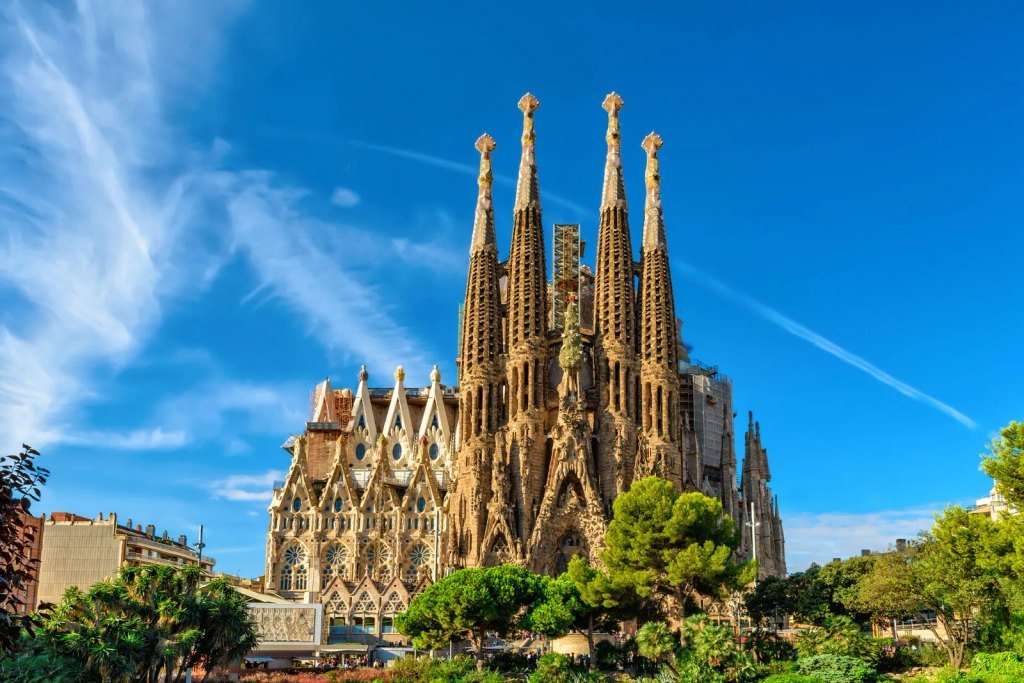
But I would not stop there.
Walk through Park Güell, visit Casa Batlló and La Pedrera, explore the Gothic Quarter and eventually make your way toward Barceloneta and the Mediterranean.
One reason Barcelona remains so popular is that you can combine architecture, food, shopping, nightlife and the beach without leaving the city.
Spain’s tourism authority describes Barcelona as a cosmopolitan Mediterranean destination particularly known for Gaudí’s world-famous architecture.
How to get there
Barcelona-El Prat Airport is one of Spain’s main international airports and is well connected with the city using train, metro, airport buses and taxis.
If you arrive in Madrid first, Barcelona is also one of the country’s flagship high-speed rail journeys.
Security note
Barcelona is also one of the places where I would be especially disciplined with belongings.
Crowded metro cars, major sightseeing areas, La Rambla and busy plazas create ideal environments for opportunistic theft.
That does not make Barcelona an unsafe city. It means you should treat your phone and wallet the same way you would in any heavily visited European metropolis.
3. Seville — For Flamenco, Palaces and Andalusian Tradition
If I had to choose one city that captures the romantic image many travelers have of southern Spain, I would choose Seville.
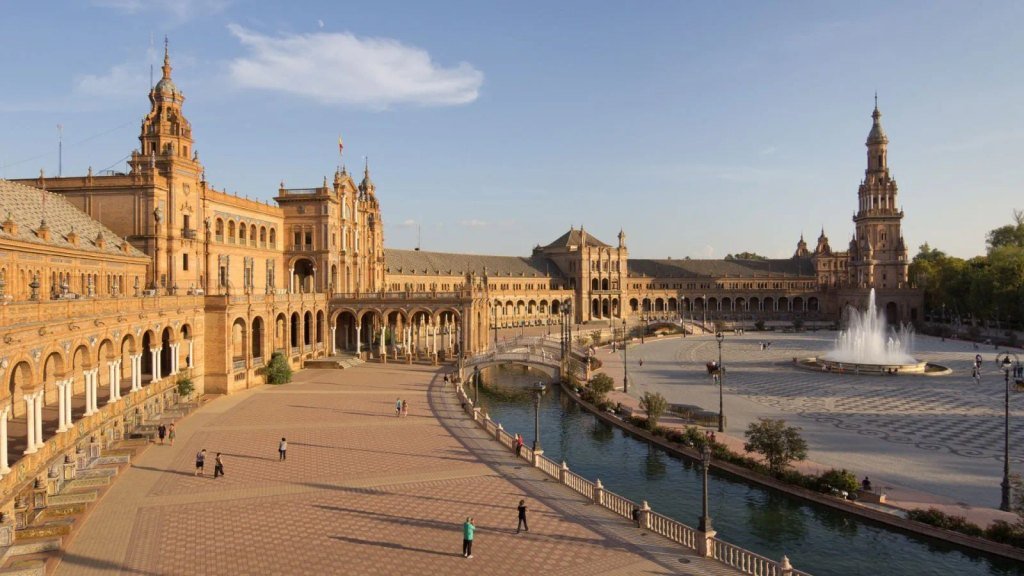
The Real Alcázar introduces you to layers of Islamic and Christian architecture. Nearby, Seville Cathedral and the Giralda dominate the historic centre.
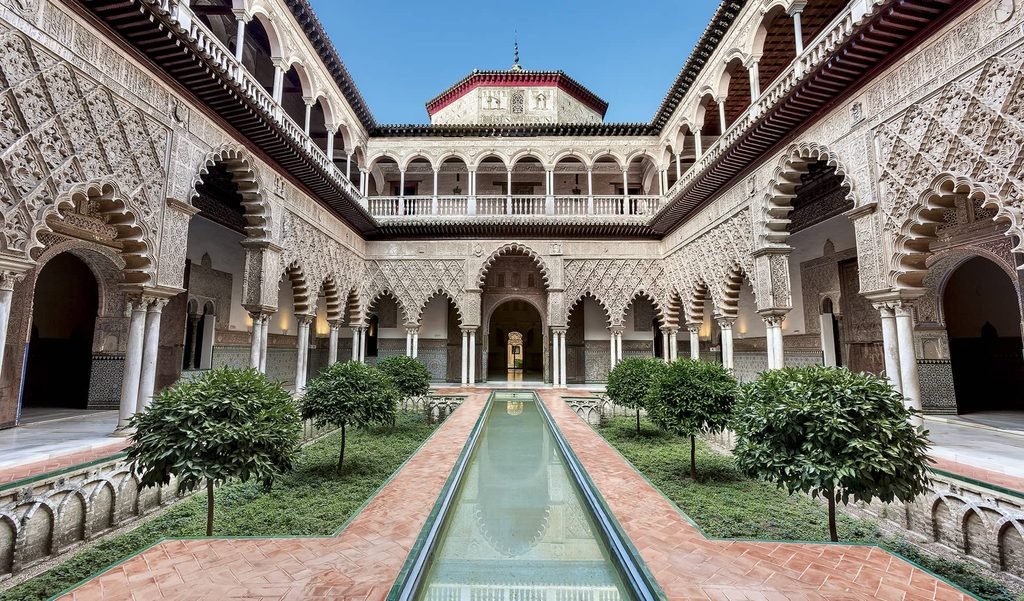
Across the river, Triana has deep connections with ceramics and flamenco.
And flamenco is not simply something created for tourists. Spain’s tourism authority describes Andalusia as flamenco’s birthplace and identifies Seville, Granada, Córdoba and Jerez among its most important centres. Flamenco itself is recognised by UNESCO as Intangible Cultural Heritage.

Seville is also one of Spain’s great festival cities.
Semana Santa processions fill the streets around Easter, while the Feria de Abril creates an entirely different atmosphere of music, dress, social gatherings and celebration.
How to get there
Seville has its own airport, but many international visitors arrive through Madrid or Málaga.
From Madrid, high-speed rail is usually the best solution. Spain’s original AVE high-speed service began on the Madrid-Seville corridor in 1992, and the network now links Seville and other Andalusian destinations with Madrid, Barcelona and additional cities.
Why go?
Come for flamenco, Islamic-influenced architecture, tapas culture and one of Spain’s most atmospheric historic centres.
4. Granada — For the Alhambra and the Legacy of Al-Andalus
Granada is worth visiting for one attraction alone.
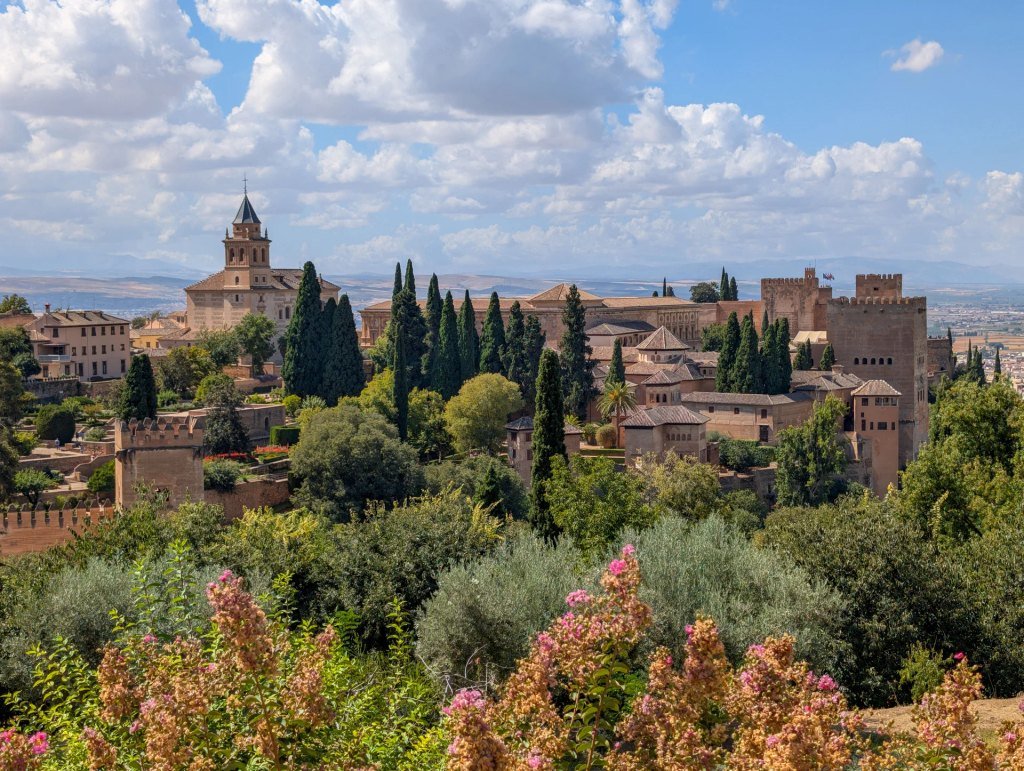
The Alhambra is one of Europe’s great architectural complexes.
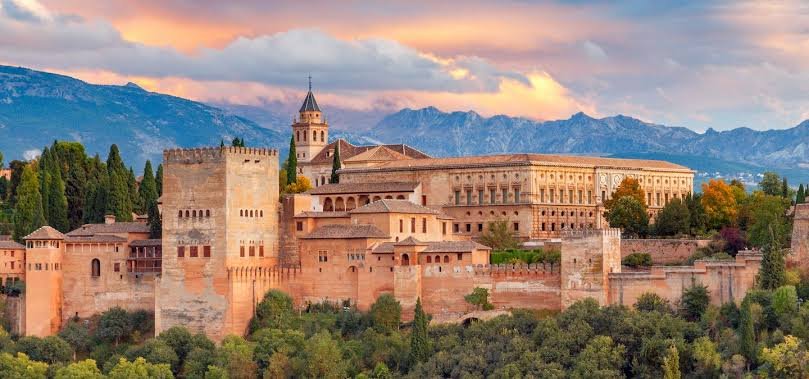
The palaces, carved stucco, calligraphy, courtyards, water channels and gardens reveal the sophistication of the Nasrid kingdom that ruled Granada before the Catholic Monarchs completed the conquest of the city in 1492.
But Granada should not be reduced to a single monument.
Walk through the Albaicín, where narrow streets climb uphill toward views of the Alhambra with the Sierra Nevada behind it.
Then explore Sacromonte, historically associated with Granada’s Roma community and flamenco traditions.
Granada is one of the places where Spain’s multiple cultural identities become particularly visible.
The official tourism authority specifically highlights Granada’s Arabic legacy as one of Spain’s standout cultural experiences.
Getting there
Granada has an airport, although international options are more limited than Madrid, Barcelona or Málaga.
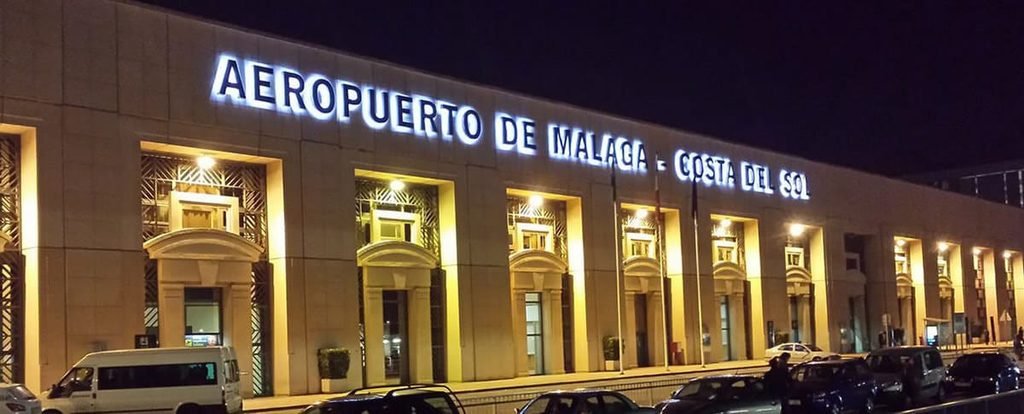
For many travelers, flying into Málaga-Costa del Sol Airport and continuing by bus, train or rental car makes sense.
Rail services also connect Granada into Spain’s long-distance and high-speed network.
Travel tip
Book Alhambra admission well in advance during popular travel periods. Do not assume you can arrive in Granada and buy your preferred palace slot that morning.
5. Córdoba — For One of Europe’s Most Extraordinary Religious Buildings
Córdoba deserves more than being treated as a quick stop between Madrid and Seville.
Its central treasure is the Mosque-Cathedral of Córdoba, or Mezquita-Catedral.
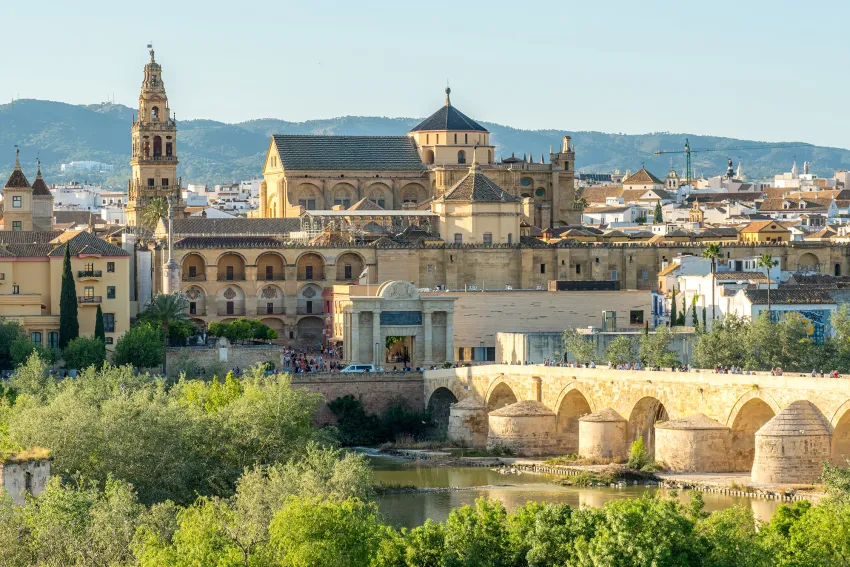
Walking through its famous rows of red-and-white arches is one of the experiences I remember most strongly from Andalusian architecture. The building reflects layers of religious and political history, with the Islamic mosque complex later transformed with Christian additions.
Outside it, explore the Jewish Quarter and the narrow streets of the historic centre.
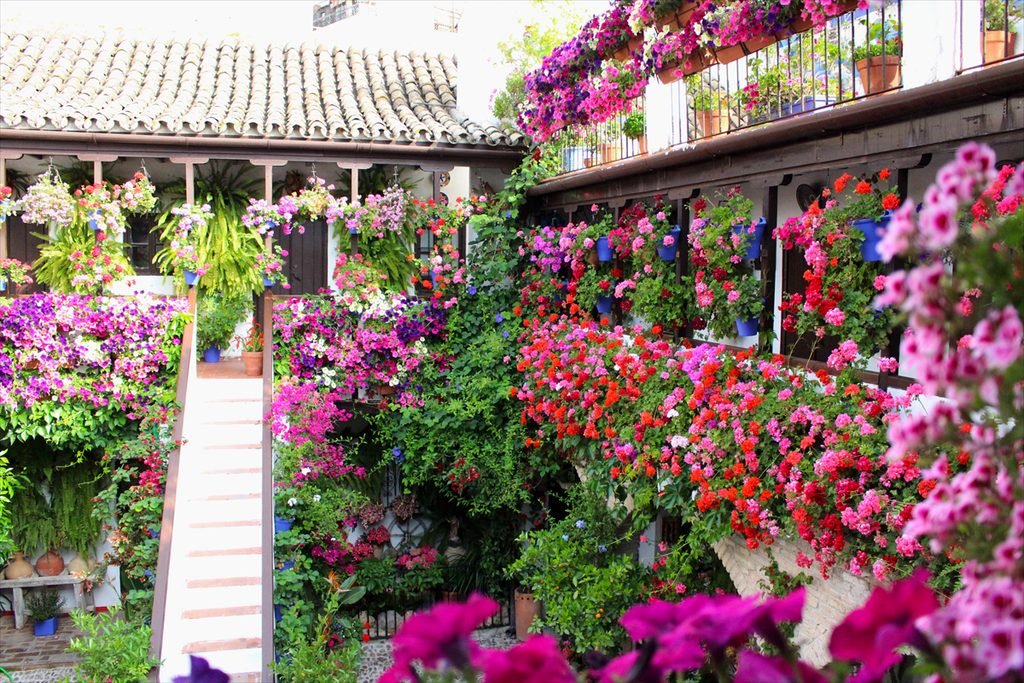
If you visit during the Festival of the Patios, residents open beautifully decorated private courtyards filled with plants and flowers.
How to reach Córdoba
Córdoba sits directly on major high-speed rail routes.
This makes it one of the easiest historical cities to add to a Madrid-Seville itinerary. Renfe’s network links Córdoba with Madrid, Seville, Málaga and other major destinations.
Why I would stay overnight
Many people visit as a day trip.
Staying overnight allows you to experience the historic centre after day-trip crowds begin leaving.
6. Valencia — For Paella, Beaches and Futuristic Architecture
Valencia gives travelers two very different cities in one.
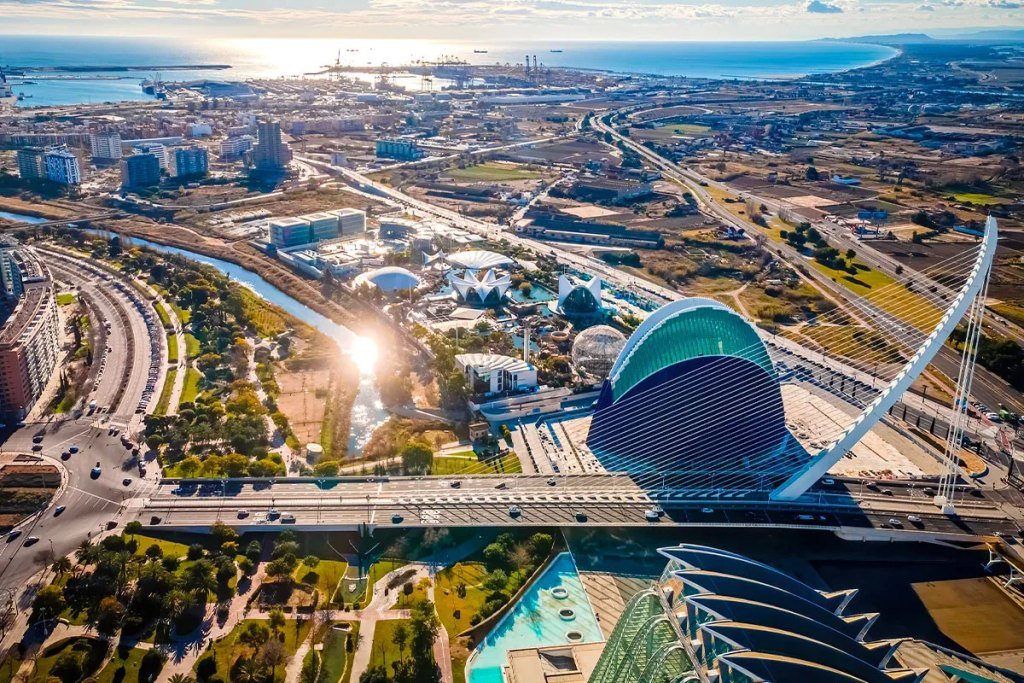
The historic centre contains traditional plazas, churches and markets.
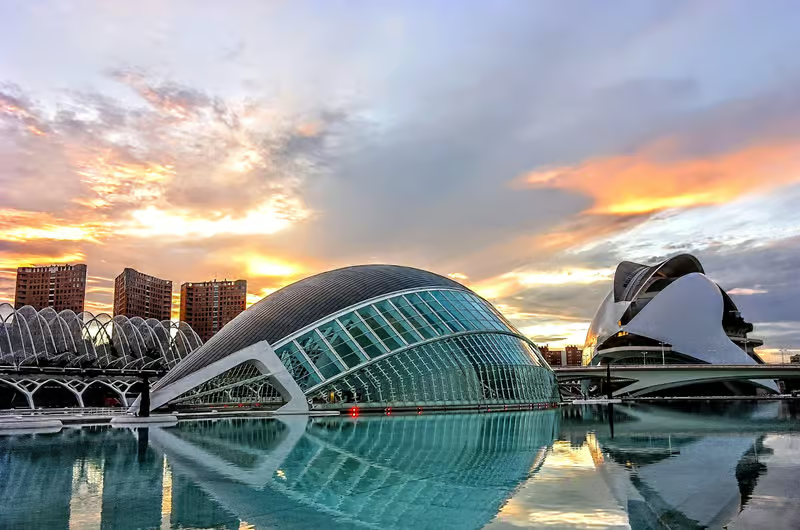
Then you reach the City of Arts and Sciences, where white futuristic structures and enormous reflecting pools look completely removed from medieval Spain.
Continue east and you eventually reach Mediterranean beaches.
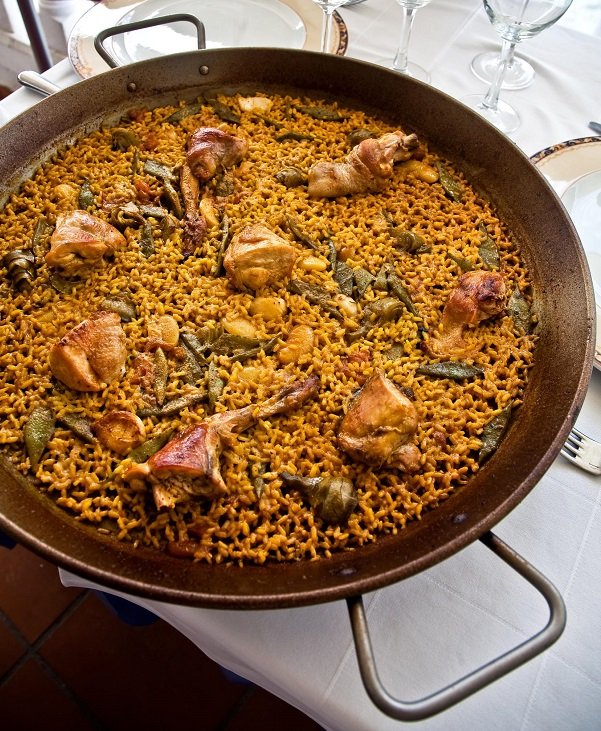
Food gives Valencia another reason to travel.
This is the home region of paella Valenciana, traditionally quite different from the seafood-heavy versions served to tourists elsewhere.
Getting there
Valencia has an international airport, but high-speed train connections make it extremely convenient from Madrid.
Spain’s tourism authority notes that Valencia combines a medieval old town, avant-garde architecture, traditional cuisine and the Mediterranean coast, while being roughly an hour and a half from Madrid by fast train depending on service.
Visit during Las Fallas
If you want one of Spain’s most intense festivals, visit around March.
Las Fallas fills Valencia with enormous satirical sculptures, fireworks, parades and street activity before the monuments are burned during the cremà. The festival centres around 19 March.
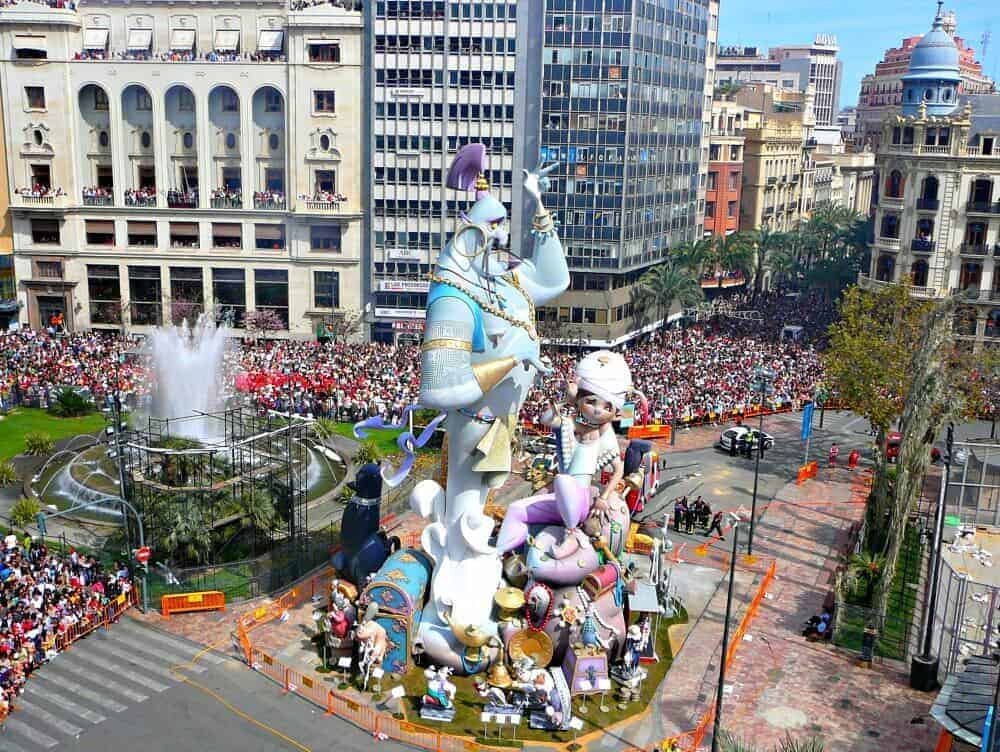
It is spectacular—and extremely busy.
7. Toledo — For a Day Trip Through Centuries of Spanish History
Toledo is one of the easiest ways to add a smaller historic city to a Madrid trip.
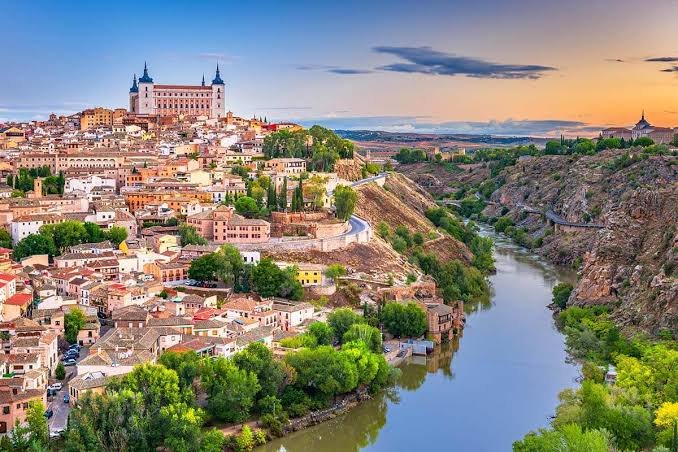
It sits dramatically above the Tagus River and is often associated with the historical coexistence of Christian, Jewish and Muslim communities.
Walk rather than trying to rush between attractions.
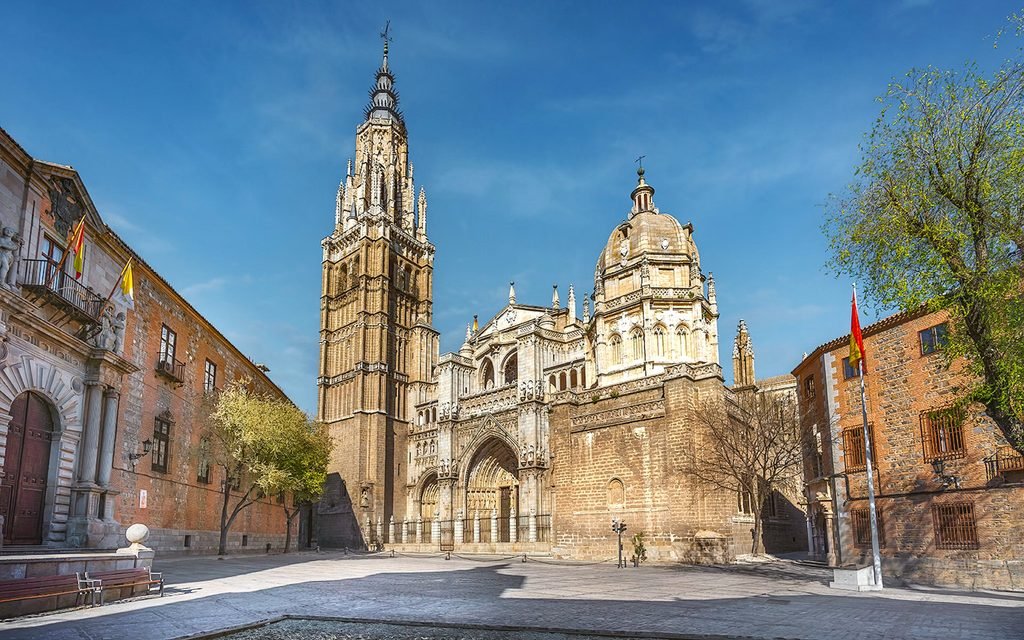
Visit Toledo Cathedral, explore former synagogues and mosques, and look for works connected with El Greco, who became closely associated with the city.
Getting there
The simplest route for most international travelers is:
Madrid Airport → central Madrid → train to Toledo.
High-speed rail makes Toledo an easy day trip, and the Renfe Spain Pass specifically includes destinations such as Toledo, Segovia, Ávila and Cuenca among cities travelers can incorporate into a rail holiday.
Stay overnight if you can
During daytime, Toledo can be busy with tour groups.
After many day visitors leave, the streets become quieter and the atmosphere changes completely.
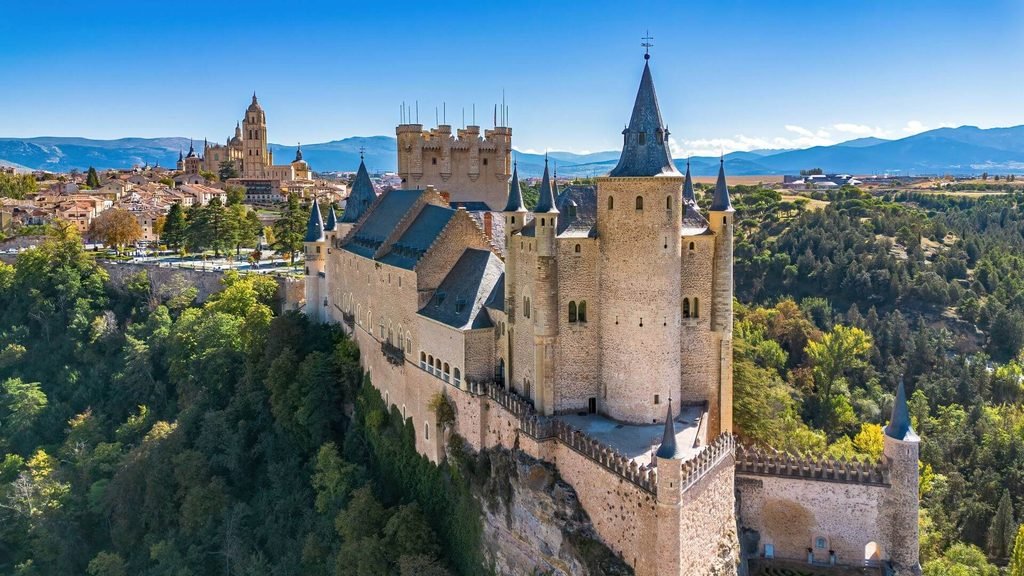
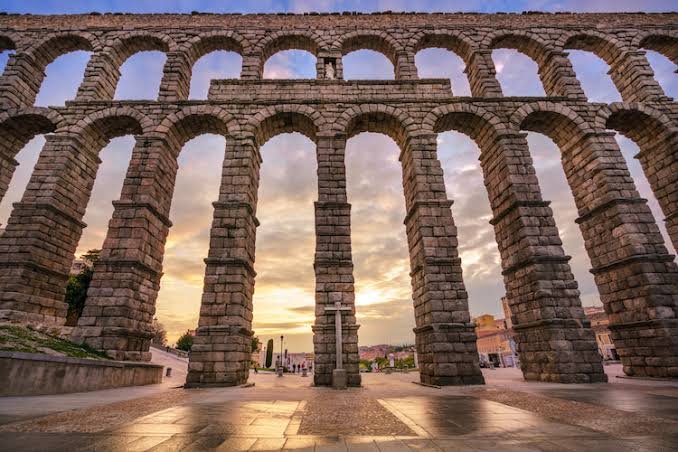
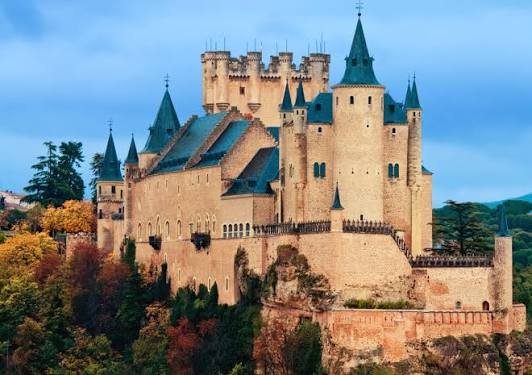
8. Segovia — For the Roman Aqueduct and a Fairytale Castle
Segovia gives you one of Spain’s most impressive Roman monuments.
The enormous Aqueduct of Segovia reaches into the modern city with an engineering presence that still feels extraordinary after almost two thousand years.
Continue through the historic centre toward the cathedral and eventually the Alcázar of Segovia, whose towers and position above the surrounding landscape give it an almost storybook appearance.
How to get there
Again, Madrid is the easiest international gateway.
Fast rail services from Madrid make Segovia practical as either a day trip or overnight stop.
Why visit?
It provides a remarkably compact combination of Roman engineering, medieval streets and royal architecture.
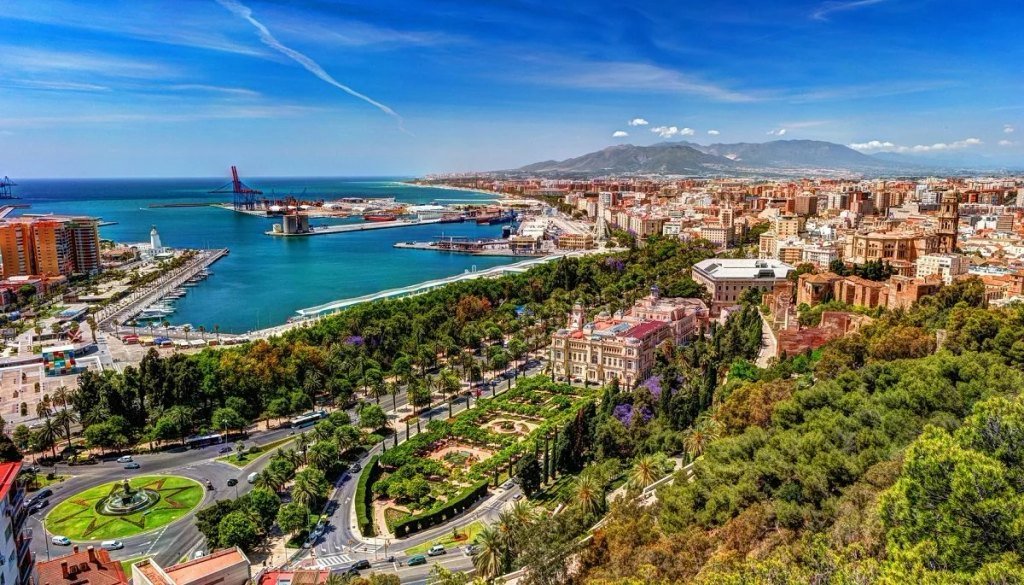
9. Málaga and the Costa del Sol — For Beaches, Picasso and Easy Southern Spain
Málaga used to be treated mainly as an airport for people heading directly to Costa del Sol resorts.
That would now be a mistake.
The city has become a destination in its own right.
Visit the Alcazaba, walk through the historic centre and explore Malaga’s connection with Pablo Picasso, who was born here.
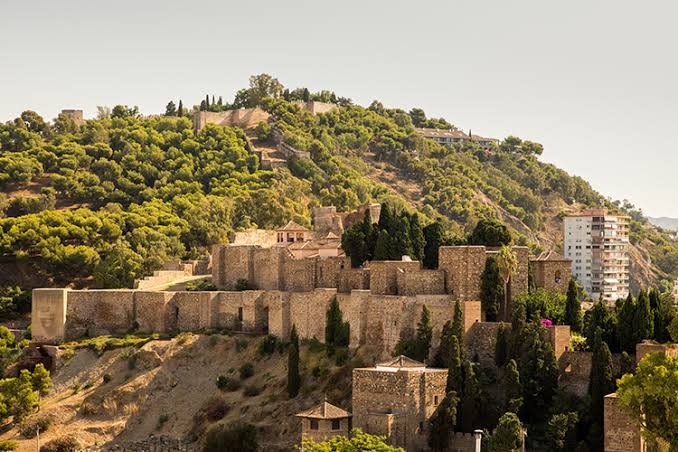
Then use Málaga as a base for coastal travel toward towns and resorts along the Costa del Sol.
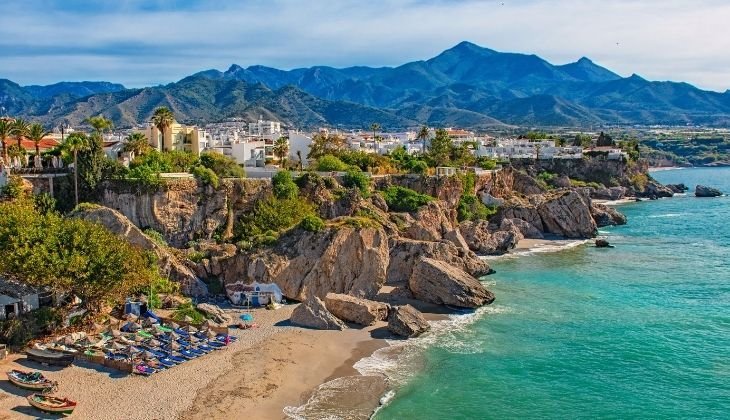
Spain’s tourism authority describes Málaga as a reinvented capital of the Costa del Sol and includes it among its major urban destinations.
Getting there
Málaga-Costa del Sol Airport is one of Spain’s busiest airports, making southern Andalusia accessible without connecting through Madrid.
Rail also links Málaga with Madrid, Córdoba and other cities.
Why go?
Málaga is particularly useful if you want both city culture and beach time without changing hotels every night.
10. Ronda — For Dramatic Landscapes and White-Village Andalusia
Ronda is one of those places where geography creates the attraction.
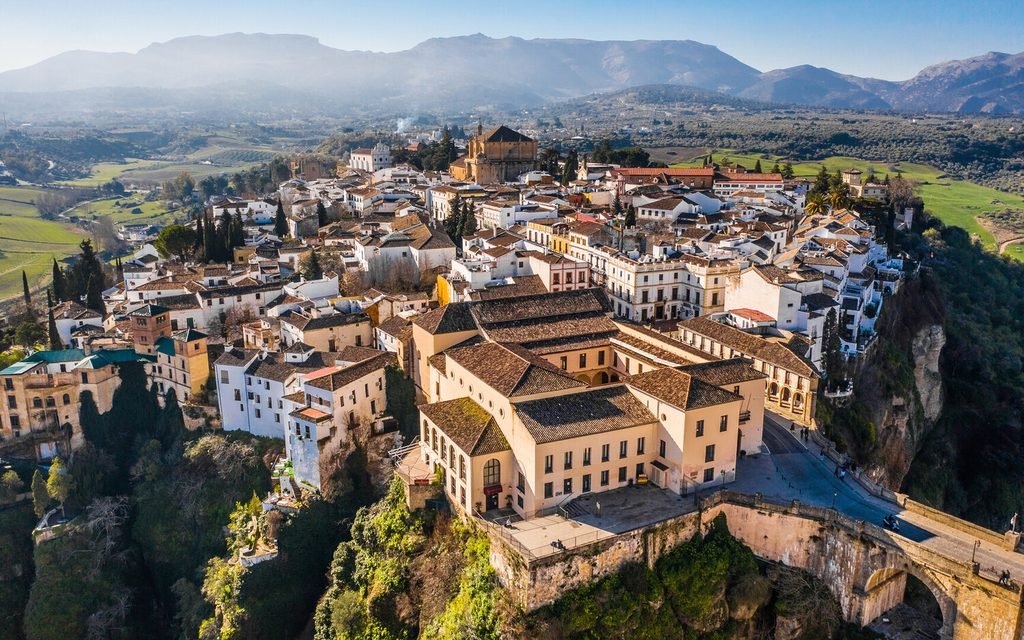
The city is divided by the deep El Tajo gorge, crossed by the famous Puente Nuevo.
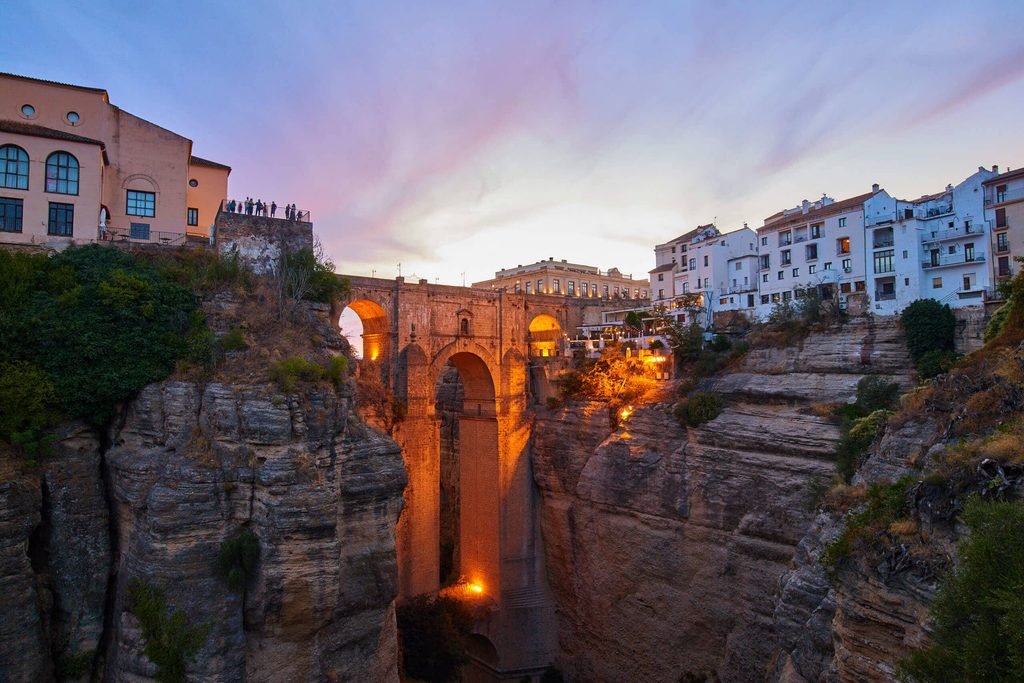
Stand at one of the viewpoints and the landscape explains why Ronda appears in so many photographs of Andalusia.
Beyond the bridge, explore the historic quarter and use Ronda as a gateway to the wider network of Andalusian white villages.
How to get there
Málaga is the most convenient major airport.
From Málaga you can continue by road, bus or rail depending on schedules.
A rental car becomes more useful here than in Madrid or Barcelona because the wider countryside and smaller towns are easier to reach independently.
Why visit?
Ronda offers something Spain’s major cities cannot: cliffs, countryside, mountain roads and a slower rhythm.
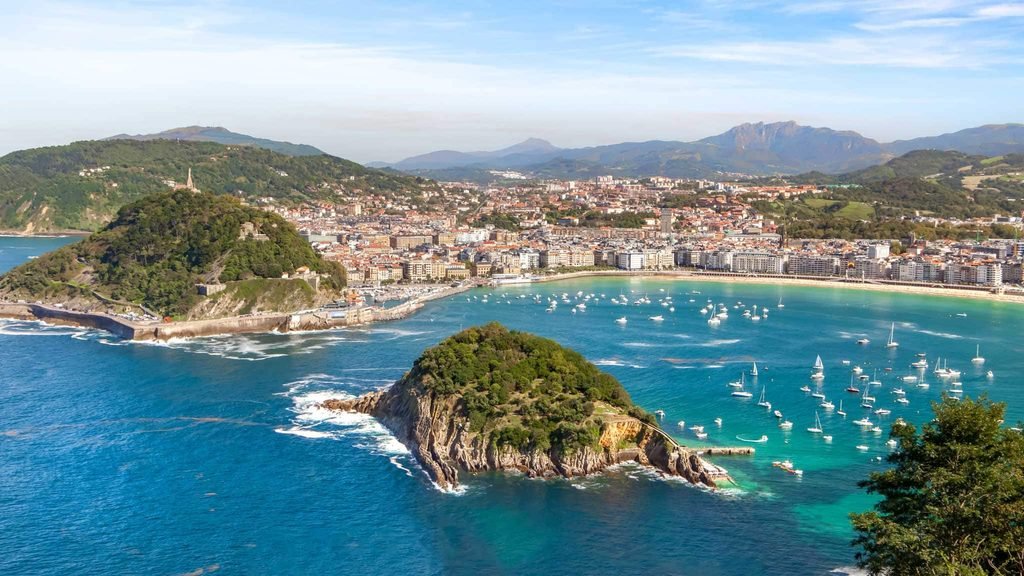
11. San Sebastián — For Pintxos and One of Spain’s Great Food Cities
San Sebastián, or Donostia in Basque, is where I would send a traveler whose primary reason for visiting Spain is food.
The Basque Country has a strong identity, its own language and a culinary reputation that reaches far beyond Spain.

The simplest pleasure is pintxos.

Instead of ordering a large dinner immediately, move between bars and try one or two small dishes at each.
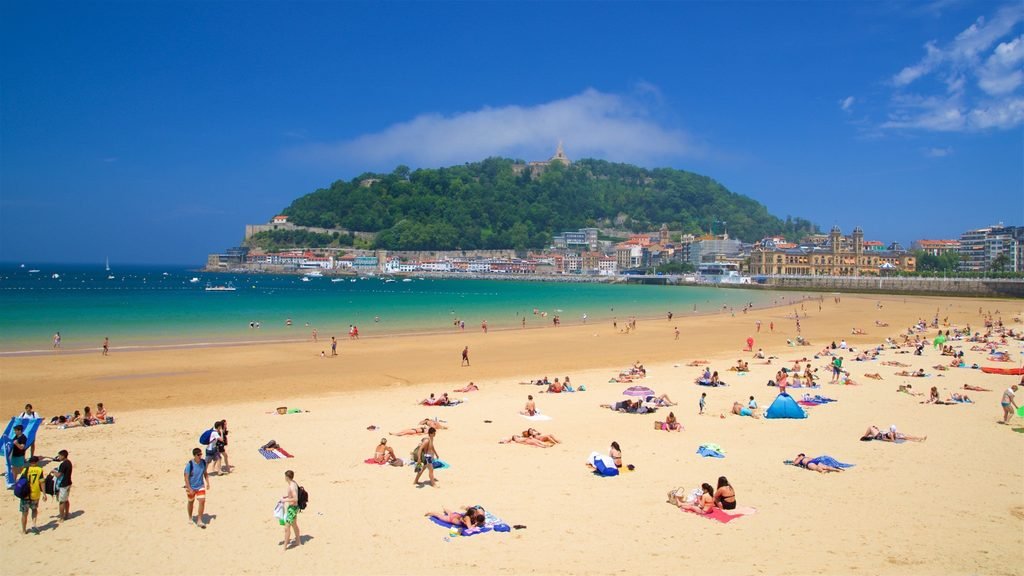
Then spend time at La Concha Bay, one of Spain’s most attractive urban beaches.
Getting there
Bilbao Airport is a useful international gateway for the Basque Country.

San Sebastián also has a smaller airport, while trains and buses provide regional links.
For a nationwide itinerary, you can connect northern Spain with Madrid by rail, although high-speed coverage and journey patterns differ from the dense Madrid-Andalusia corridor.
Why visit?
The reason is food—but the beach, architecture and Basque culture make you stay longer.
12. Bilbao — For the Guggenheim and Modern Basque Identity
Bilbao is one of Europe’s best examples of urban reinvention.
The Guggenheim Museum Bilbao, designed by Frank Gehry, became the symbol of that transformation.
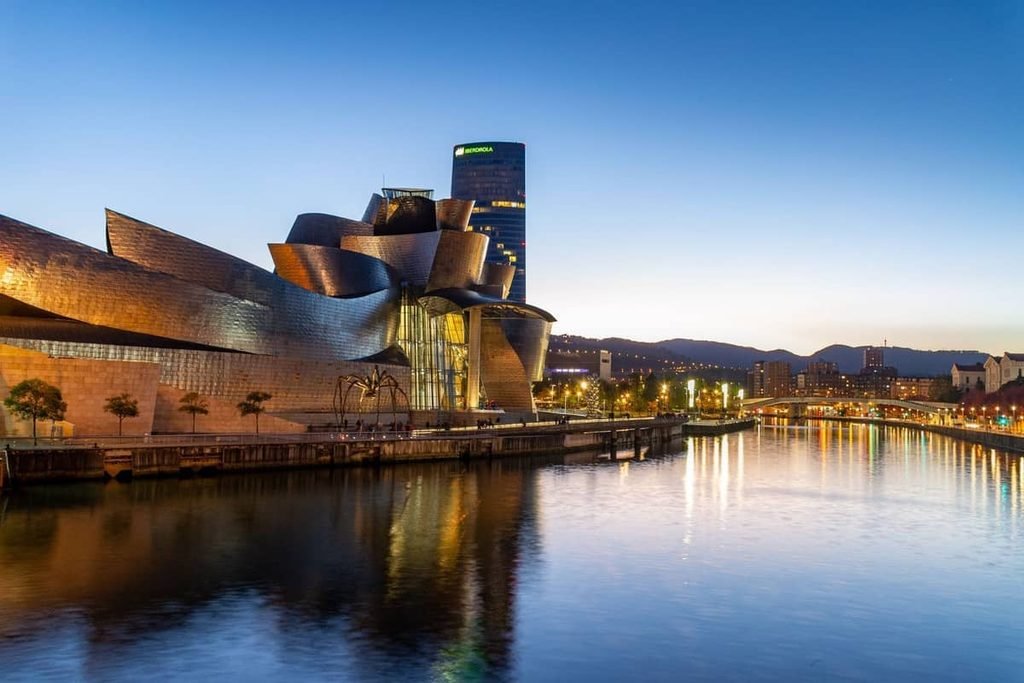
Its sculptural titanium form made the building itself as famous as many of the works displayed inside.
But Bilbao is more than one museum.
Explore the Casco Viejo, eat pintxos and use the city to better understand the Basque Country’s language, food and regional identity.
Spain’s official tourism site describes Bilbao as one of the country’s most avant-garde cities.
Getting there
Bilbao Airport is one of the major airports listed by Spain’s tourism authority and has direct connections with several European cities.
From there, buses connect with central Bilbao.
Combine Bilbao and San Sebastián
If time allows, I would not choose between them.
Visit both.
They offer two different sides of the Basque Country.
13. Santiago de Compostela — For Pilgrimage, History and Galicia
Santiago de Compostela feels different from southern Spain.
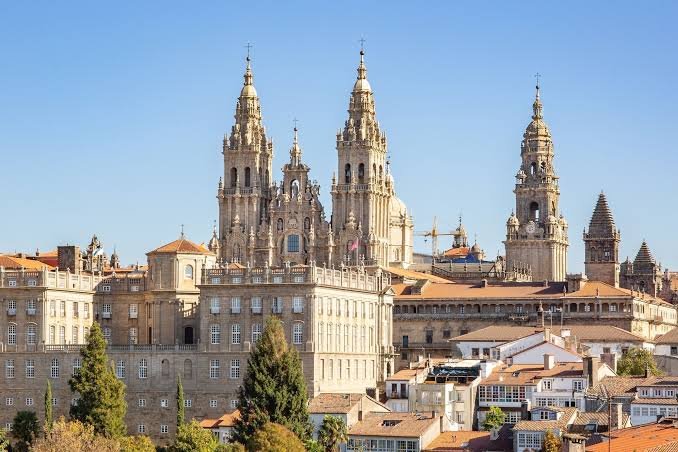
Galicia is greener, wetter and culturally connected with the Atlantic.
The city’s cathedral marks the traditional destination of the Camino de Santiago, one of Europe’s great pilgrimage routes.
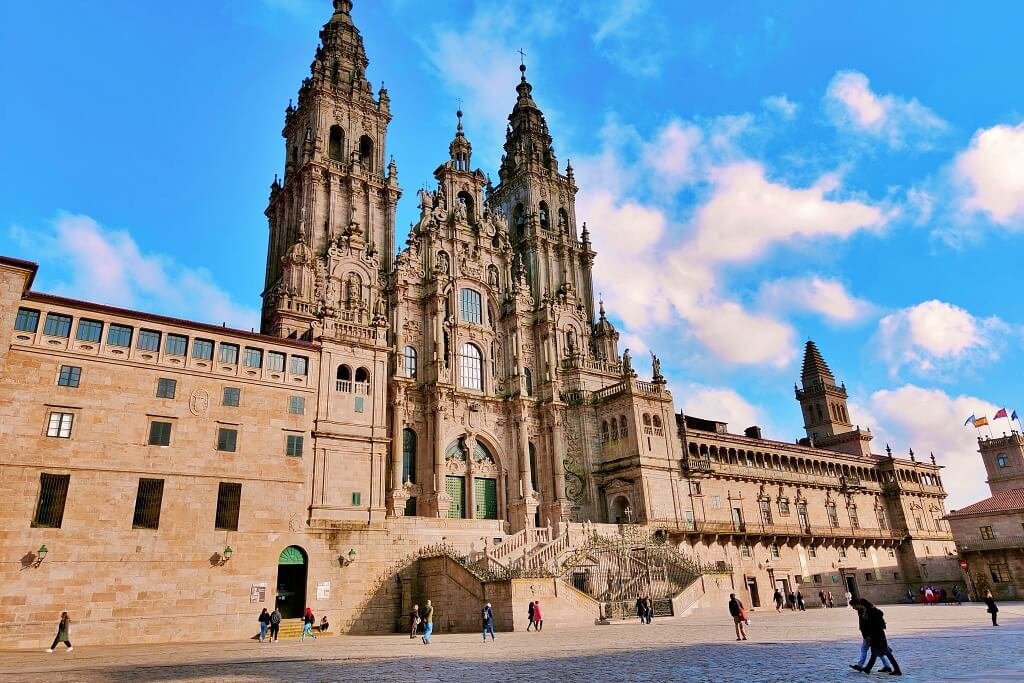
Even if you do not walk hundreds of kilometres to reach it, arriving in the cathedral square and seeing exhausted pilgrims finish their journeys creates an atmosphere unlike most ordinary tourist attractions.
Spain’s tourism authority identifies Santiago as the desired end point of the Camino and highlights the pilgrimage as one of the country’s major cultural traditions.
Getting there
Santiago-Rosalía de Castro Airport provides air access to Galicia.
Rail services connect Santiago with other Spanish cities, though for long north-to-south journeys you should check current timetables carefully rather than assuming every route is direct.
Why visit?
Come for the cathedral, pilgrimage culture, Galician seafood and a side of Spain many first-time visitors completely miss.
14. Mallorca — For Mediterranean Coves, Mountain Roads and Island Life
Spain is not only the Iberian mainland.
Mallorca demonstrates that perfectly.
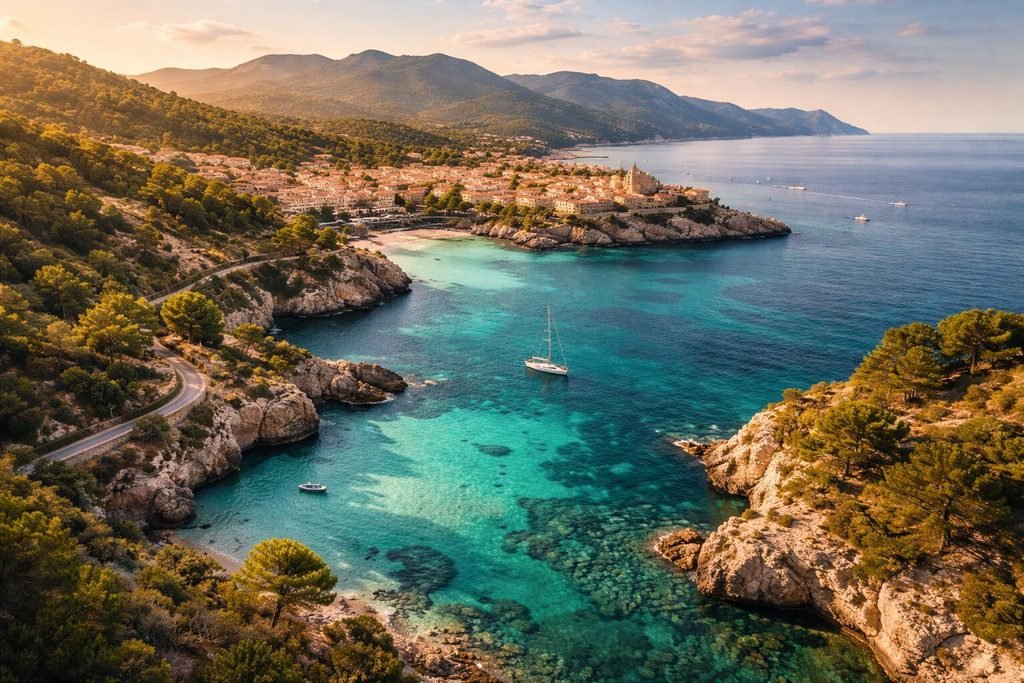
Palma offers Gothic architecture and urban life, while the island’s coastline provides beaches, coves and seaside towns.
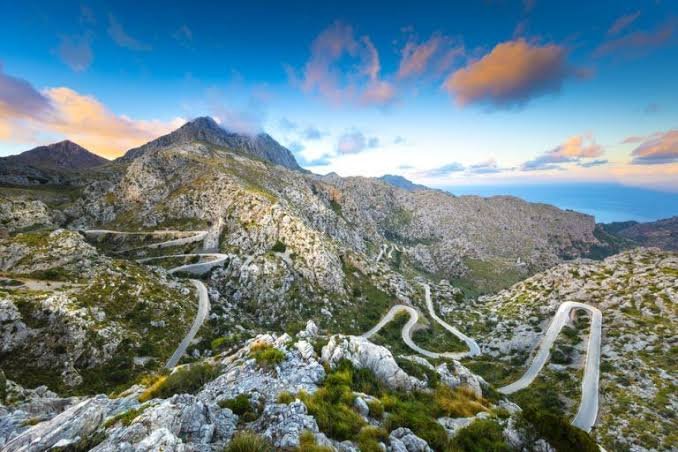
I particularly like the contrast created by the Serra de Tramuntana, where mountain roads and stone villages give you something completely different from resort Mallorca.
How to get there
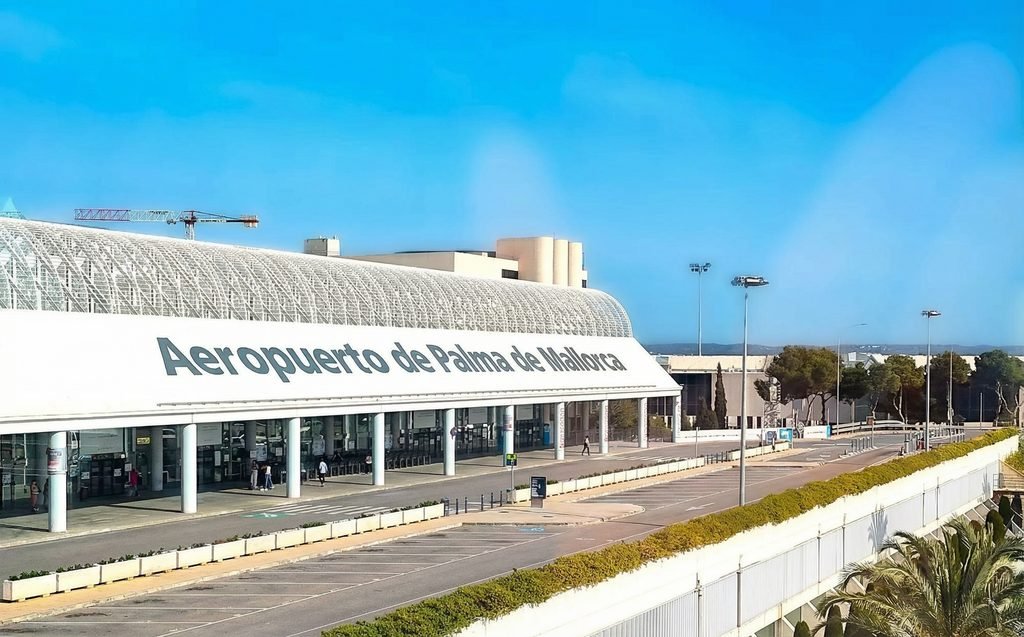
Palma de Mallorca Airport is one of Spain’s busiest airports.
Flights connect the island with Madrid, Barcelona and numerous European cities.
You cannot reach Mallorca by train from mainland Spain. Ferries operate from mainland ports, and once on the island you can use buses, local rail on certain routes or a rental vehicle.
Why visit?
Mallorca lets you combine Mediterranean beaches with mountains, villages, cycling, food and a sophisticated capital.
15. Tenerife — For Volcanoes, Beaches and an Entirely Different Spain
The Canary Islands prove just how geographically diverse Spain is.
Tenerife lies off the northwest coast of Africa, yet it is part of Spain.
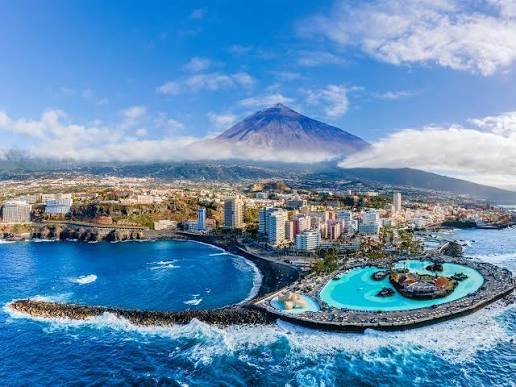
The star attraction is Teide National Park, dominated by Mount Teide, Spain’s highest peak.
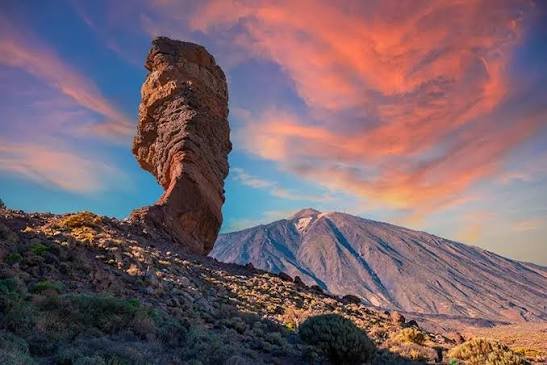
Around the island, landscapes move between volcanic terrain, pine forests, coastal cliffs, resort beaches and historic towns.
The climate also makes the Canaries particularly attractive when mainland Europe becomes colder. Spain’s tourism authority promotes the Canary Islands as one of Europe’s leading sunshine destinations.
Getting there
Tenerife has two airports, with Tenerife South handling many international leisure flights.
Flights from Madrid and Barcelona make it easy to add the Canaries to a longer Spanish journey.
Again, rail travel from the mainland is impossible. Flying is normally the practical choice, although ferries connect islands and mainland ports on longer journeys.
How to Travel Around Spain by Train
One of the strongest reasons to travel through Spain is the rail network.
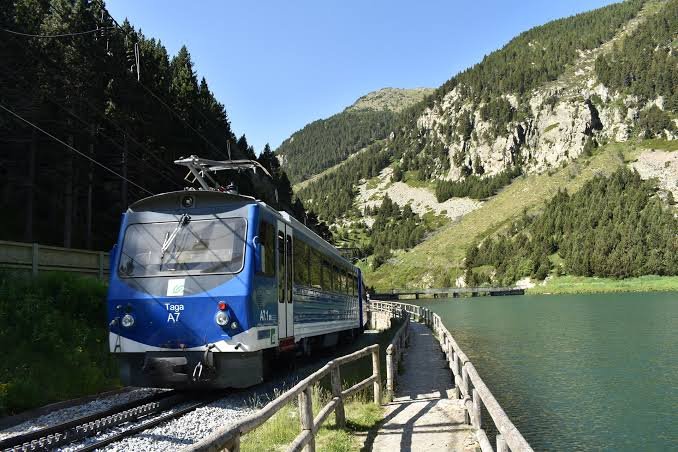
You do not need a rental car to see Madrid, Barcelona, Valencia, Córdoba, Seville, Málaga, Granada, Toledo and several other major destinations.
Spain’s high-speed AVE services form the core of the long-distance network, supported by other long-distance, regional and commuter trains.
Renfe currently highlights popular routes including Madrid-Valencia, Madrid-Málaga, Barcelona-Seville, Barcelona-Córdoba and Barcelona-Málaga.
For visitors from outside Spain, the Renfe Spain Pass is also worth investigating. It is available to non-residents and can be purchased for 4, 6, 8 or 10 train journeys. The pass works on qualifying long-distance and regional services, but each journey still needs to be validated/reserved before travel.
My suggested first-time rail route
A very practical itinerary would be:
Barcelona → Madrid → Toledo → Córdoba → Seville → Granada → Málaga
Add Valencia between Barcelona and Madrid if you have more time.
This route gives you Catalonia, central Spain, Castile and Andalusia without needing to drive.
Book long-distance tickets early when your itinerary is fixed. Prices and availability can change significantly depending on the train and travel date.
How Spain’s Main Airports Fit Into Your Trip
For a long journey, I would choose airports strategically rather than automatically flying in and out of the same place.
Madrid-Barajas is best for central Spain and nationwide rail connections.
Barcelona-El Prat is ideal for Catalonia and Mediterranean Spain.
Málaga-Costa del Sol is extremely useful for Andalusia, particularly Málaga, Granada, Ronda and coastal destinations.
Bilbao Airport gives you access to the Basque Country.
Santiago Airport works for Galicia.
Palma de Mallorca and Tenerife South are major gateways for island holidays.
Spain’s official tourism website lists Madrid, Barcelona, Palma, Málaga, Gran Canaria, Alicante and Tenerife South among the country’s highest-traffic airports.
For example, instead of Madrid-Madrid, consider flying:
Into Barcelona → travel across Spain → fly home from Málaga.
That prevents wasting an entire day returning to your original airport.
15 Reasons Why Spain Is Worth Visiting
The destinations above provide the places, but Spain gives you broader reasons to travel as well.
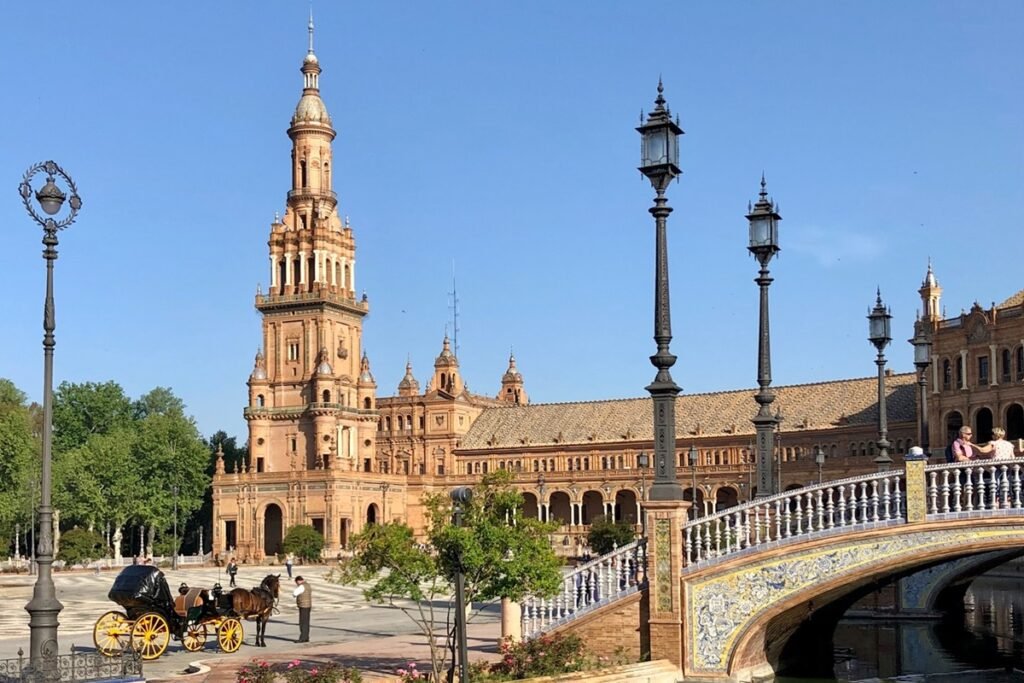
You have Madrid’s museums, Barcelona’s architecture, Andalusia’s Islamic heritage, Valencia’s Mediterranean character, northern Spain’s cuisine, the Camino de Santiago, island landscapes, beaches, mountain regions, world-famous festivals, flamenco, football culture, wine regions, tapas traditions and one of Europe’s most useful high-speed railway systems.
Few countries allow you to experience this much variety without crossing an international border.
You could spend one week studying art.
Another eating your way through Basque Country.
Another exploring Andalusia.
Then spend a fourth on Mediterranean or Canary Island beaches.
That variety is what keeps Spain interesting even after several trips.
Understanding Spanish Culture Before You Arrive
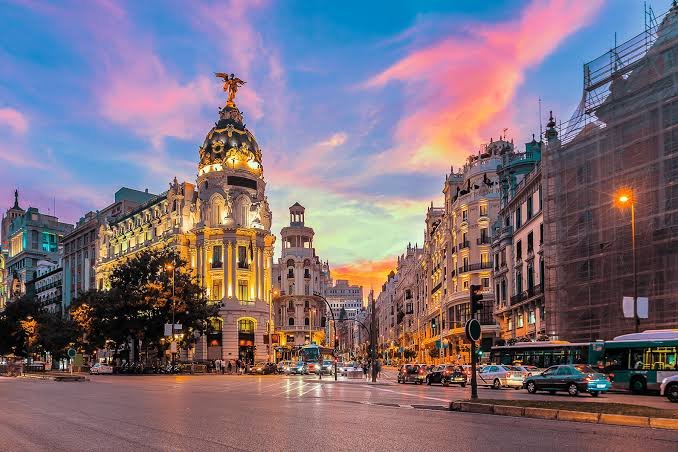
One mistake travelers sometimes make is treating Spanish culture as one uniform identity.
It is much more regional.
Catalonia has Catalan language and traditions.
The Basque Country has Euskara and a particularly strong regional culture.
Galicia has Galician language and Atlantic traditions.
Andalusia has its own musical, culinary and architectural identity.
Valencia, the Balearic Islands and other regions likewise maintain distinctive traditions.
At the national level, social life frequently revolves around food, family and spending time outside.
Spanish tourism guidance notes that sharing tapas, meeting friends and family for meals, and spending time outdoors are common parts of everyday social culture. Meals also tend to occur later than visitors from many other countries expect: lunch can extend well into the afternoon and dinner commonly begins much later in the evening.
Do not arrive expecting dinner everywhere at 6 p.m.
In many places, the evening has barely started.
Traditions You Should Experience
Spain has an extraordinary festival calendar.
Semana Santa, or Holy Week, is particularly important in cities such as Seville and Málaga, where elaborate religious processions move through the streets.
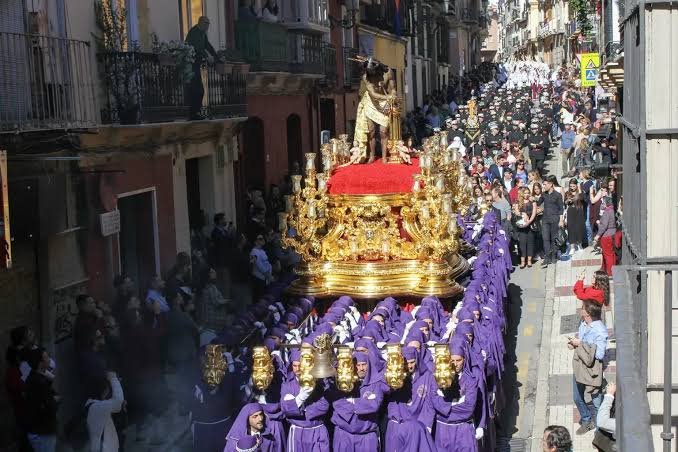
Las Fallas transforms Valencia in March.

Feria de Abril is closely associated with Seville.

San Fermín brings the famous festivities to Pamplona.
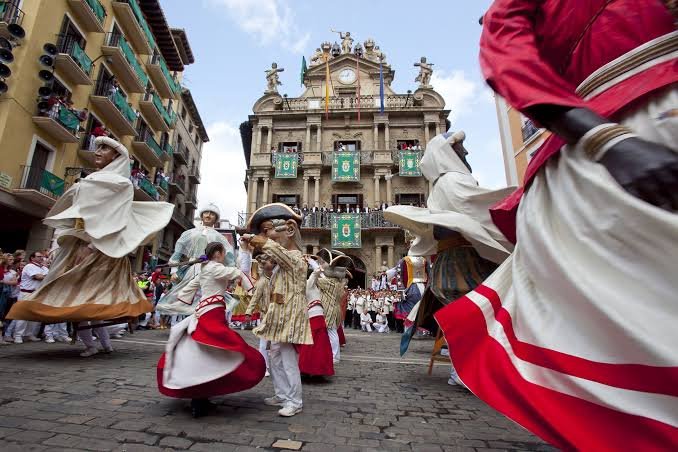
La Tomatina takes place in Buñol.

Tenerife hosts one of Spain’s best-known Carnivals.
Spain’s official calendar includes hundreds of annual fiestas, from religious observances to harvest festivals and regional celebrations.
Flamenco deserves separate attention.
It combines cante—singing, baile—dance, and toque—musical accompaniment. Its strongest historical roots lie in Andalusia, and UNESCO recognises it as part of humanity’s intangible cultural heritage.
Then there is the tradition I probably enjoy most as a traveler:
going for tapas.
Tapas is not simply a menu category. It is a social activity: moving between bars, ordering small dishes and sharing food in company. Spain’s tourism authority describes it as a way of life as much as a form of eating.
Protecting Your Belongings From Pickpockets and Thieves
Spain is generally considered a safe country for travelers, but petty theft deserves attention.
The Spanish tourism authority specifically recommends keeping an eye on possessions in crowded public transport and shopping areas, carrying only the amount of money you need and avoiding isolated places.
My approach is simple.
Do not carry your phone loosely in a back pocket.
Do not hang an open handbag from the back of a restaurant chair.
Do not leave a smartphone on an outdoor café table next to the pavement.
Use a crossbody bag with the opening facing your body in crowded tourist districts.
Keep your passport, backup bank card and most of your cash somewhere separate from the wallet you use during the day.
When riding metros in Barcelona or Madrid, pay particular attention when doors open and close. Crowded boarding moments create distraction.
If somebody unexpectedly spills something on you, aggressively asks for directions, tries to place an object in your hand or creates an unusual commotion, check your belongings before becoming completely absorbed in the situation.
Do not become paranoid.
Just make theft inconvenient.
If something does happen
Spain’s general emergency number is 112, free throughout the country.
The Spanish government also promotes AlertCops, an app that provides another way to contact Policía Nacional and Guardia Civil regarding crimes or security incidents. Assistance for foreign tourists who are victims of crime is also available through the country’s Safe Tourism framework.
How Long Do You Need for These 15 Places?
I would not try to see all 15 in two weeks.
You could technically travel rapidly between many of them, but you would spend too much of the holiday checking out of hotels and sitting on trains.
For 10 days, choose perhaps three or four main destinations.
For two weeks, five or six locations can work well.
For three weeks, you can create a meaningful mainland journey.
For four weeks or more, adding northern Spain or one of the islands begins to make much more sense.
A good first trip might look like this:
Days 1–3: Barcelona
Days 4–6: Madrid, with Toledo or Segovia
Days 7–8: Córdoba
Days 9–11: Seville
Days 12–13: Granada
Days 14–16: Málaga and Ronda
On another trip, I would focus on Bilbao, San Sebastián, Santiago and northern Spain.
Trying to do everything at once can actually reduce what makes Spain special.
What Is the Best Thing Spain Offers Travelers?
For me, Spain’s biggest strength is not one monument.
It is contrast.
You can stand under Gaudí’s Sagrada Família in Barcelona, and several days later walk beneath Islamic arches in Córdoba.
You can study Velázquez in Madrid and then listen to flamenco in Seville.
You can eat paella beside the Mediterranean in Valencia, pintxos in San Sebastián and seafood in Galicia.
You can hike volcanic landscapes in Tenerife or drive through Mallorca’s mountains.
You can travel from royal palaces to beach towns using one country’s transportation system.
Spain’s history also remains visible rather than being locked away entirely inside museums. Roman aqueducts stand beside modern streets. Medieval neighbourhoods remain inhabited. Religious buildings contain architectural layers from radically different periods.
And traditions are still part of daily life.
People still gather for tapas.
Cities still reorganize themselves around local fiestas.
Pilgrims still walk into Santiago.
Flamenco artists still perform music passed through generations.
That is ultimately why I think Spain rewards slow travel.
Come for Barcelona or Madrid if that is what first catches your attention.
But take the train south.
Stay overnight in Córdoba.
Try food you did not recognise on the menu.
Listen to the language change as you move between regions.
Spend an evening in a plaza without trying to accomplish anything.
The best Spain is not necessarily the Spain you see while racing through 15 attractions.
It is the Spain you begin to notice between them.












Leave a Comment
Your email address will not be published. Required fields are marked with *