Step Into History: Visiting Intramuros in Manila
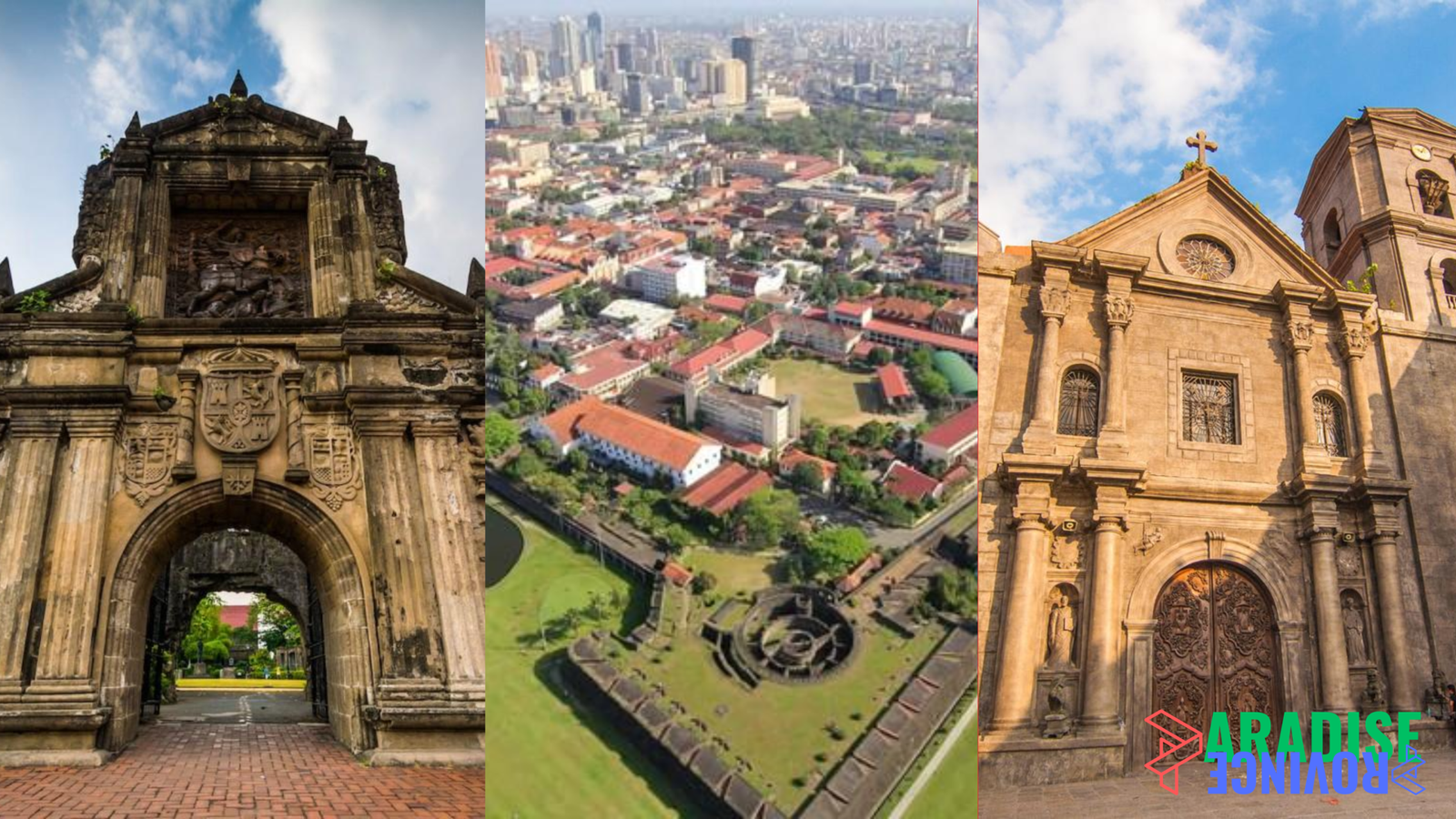
Intramuros is one of the most prominent historic sites in Manila. This is the Walled City, the oldest section of Manila, and the former seat of Spanish administration and religion in the Philippines.
There is something about the historic streets of the town that gives you the feeling that you are walking in the past. Visitors can view old churches, stone walls, forts, museums, and houses that demonstrate how people lived during the Spanish colonial period.
Today, Intramuros is an important tourist site where visitors may learn about Philippine history and enjoy its unique old-world atmosphere.
History of the Intramuros
The history of Intramuros began when the Spaniards landed in Manila in 1571. The Spanish surrounded the area with thick fortifications to safeguard the city and its government offices from any invasion.
The walls were roughly 8 meters high and ran for some 3 kilometres. Within the walls were churches, schools, government facilities, houses, and military areas.
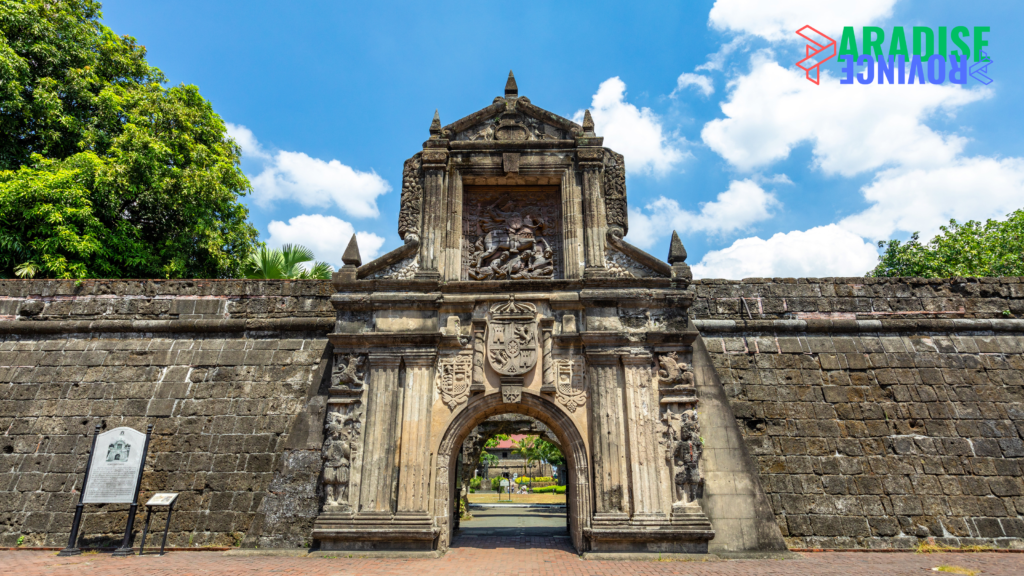
For more than 300 years Intramuros was the seat of Spanish sovereignty in the Philippines. The city was designed. The streets, squares, churches and government buildings were all in an orderly style.
Intramuros suffered heavy damage during the Battle of Manila in 1945. Many historic structures were destroyed and the entire neighbourhood was left in ruins. Following the war, restoration programs helped to preserve and rebuild some of its key landmarks.
Today, Intramuros still tells the story of the Philippines’ colonial past.
Famous Places to Discover in Intramuros
Fort Santiago
One of the most iconic landmarks in Intramuros is Fort Santiago. It sits close by the Pasig River and was constructed as a military bastion.
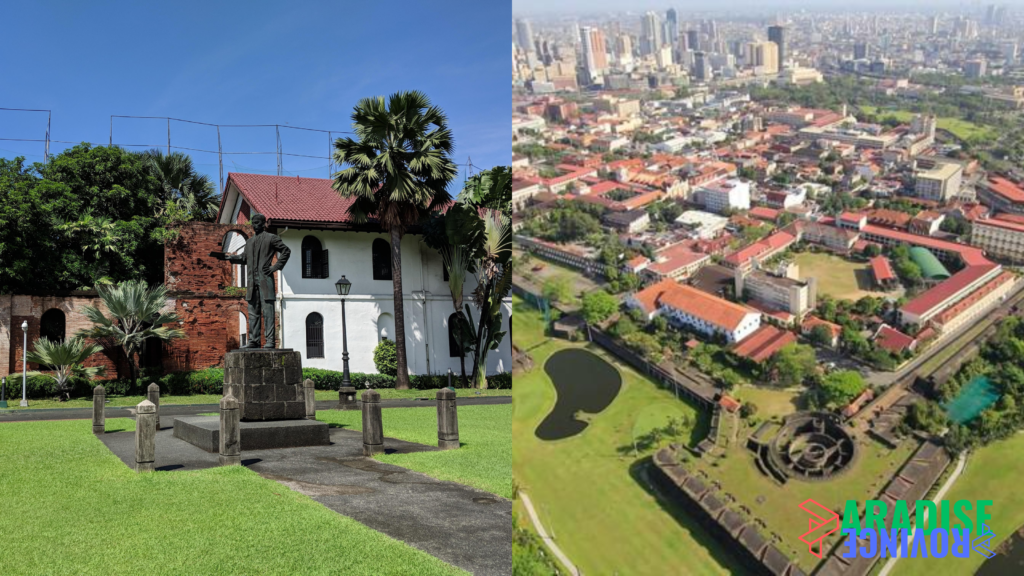
The fort had many uses over different periods. It served as a military base, warehouse and prison .
Fort Santiago is also closely associated with the national hero of the Philippines, Dr. Jose Rizal. Rizal was held here before his execution in 1896. Visitors can tour the Rizal Shrine and learn more about his last days.
Visitors can also tour gardens, old walls, walkways and historic sites in the fort.
San Agustin Church
San Agustin Church is one of the most significant churches in Intramuros. Built in 1607, it is the oldest stone church in the Philippines.
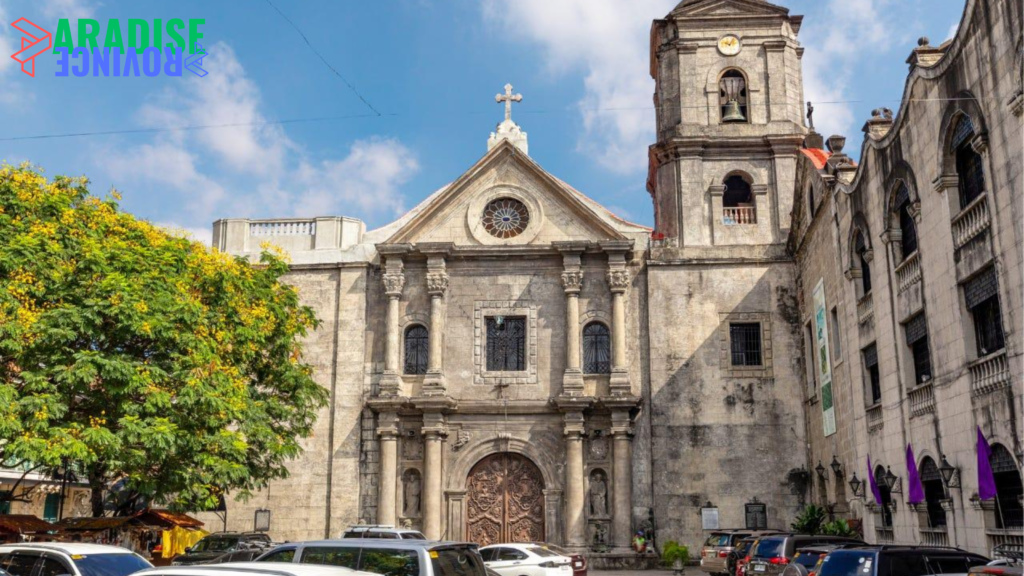
The church is famous for the beauty of design and strength of stone walls. It lived thru multiple earthquakes and the destruction of Manila in World War II.
Inside visitors can appreciate exquisite artwork, ancient furnishings, oak choir seats and a historic pipe organ. On the ceiling there are other paintings that look like three-dimensional designs.
The San Agustin Museum is located next to the church and features religious artwork, antique goods, furniture and other historical objects.
Casa Manilla
Casa Manila gives guests a glimpse of how affluent families lived during the Spanish era.
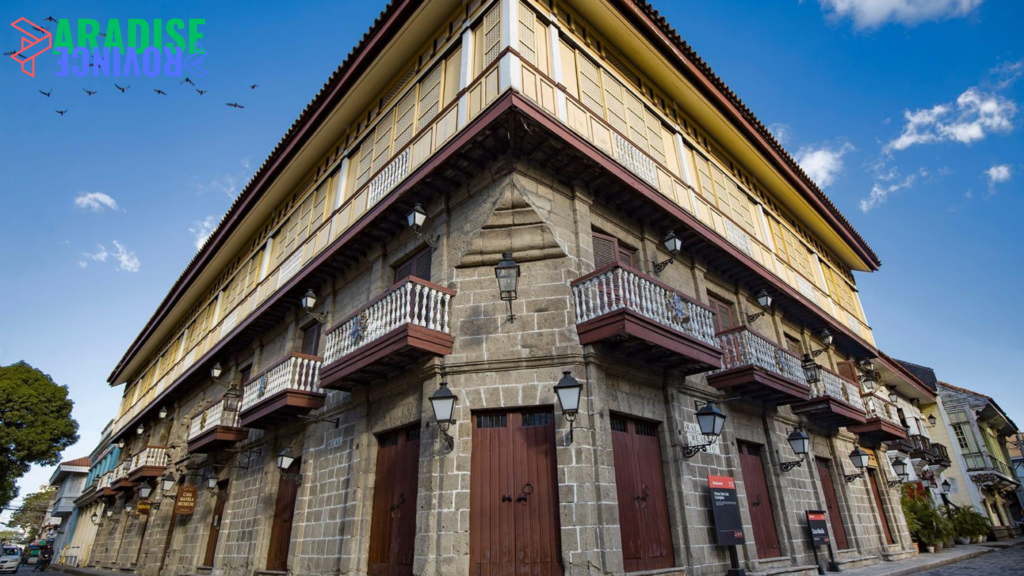
The house is a replica of a 19th-century Spanish colonial residence. It was built to resemble like a traditional bahay na bato or “stone house.”
Visitors can view vintage furniture, artwork, bedrooms, dining areas, and other aspects of a traditional home inside.
The house also displays a combination of Spanish, Chinese and Filipino elements. It is an intriguing site to visit, with its wooden furnishings, huge windows and classic décor.
Things to Do Today in Intramuros
Intramuros is not just for history buffs. It is also a nice area to stroll around and explore the historic streets and architecture.
One of the easiest ways to explore is on foot. You can visit different sights, snap pictures, and find little alleyways and courtyards on the way.
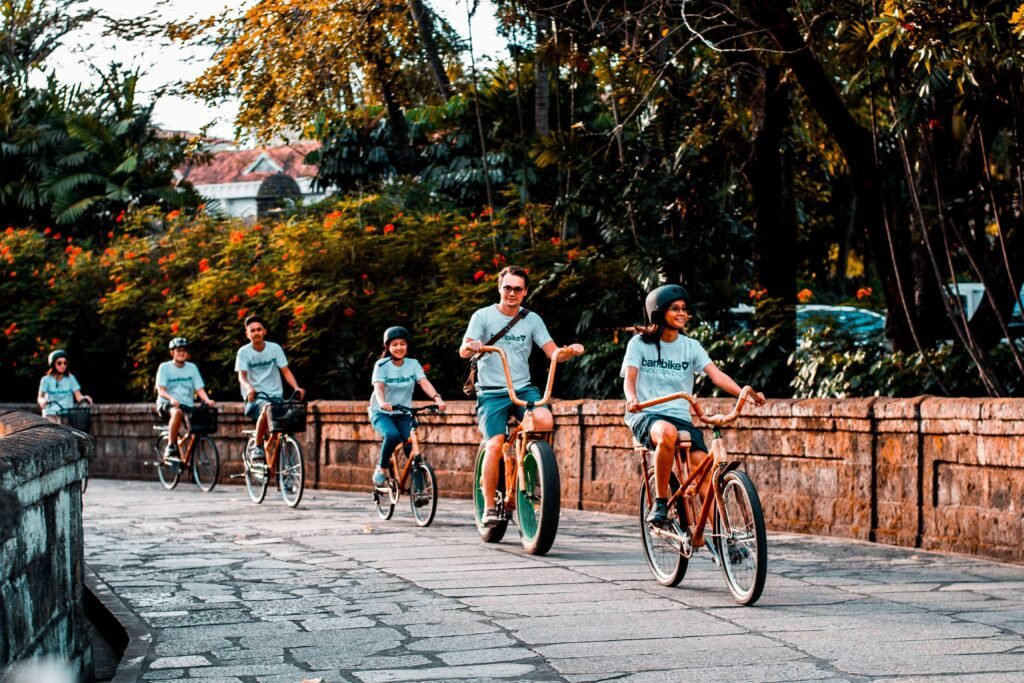
Another popular activity is to ride a bambike. These bamboo bicycles offer a pleasant way to explore the Walled City. There are also guided tours. The guides tell you stories about the places you see.
You can also ride on a kalesa, a classic horse-drawn carriage. It’s a great opportunity to relax and visit some of the important monuments while learning more about Intramuros from the driver or guide.
Intramuros Tips You Must Know Before Visiting
You may visit Intramuros for a few hours, but if you spend most of the day there you will see more locations.
It can be more comfortable to walk in the cooler months, December thru February. If you visit during hotter months, try to start early in the morning or late in the afternoon.
Comfortable shoes are required as several of the streets have rough cobble stones. Also wise to carry drink, sunscreen and a hat.
If you are staying in Manila for a few days, then picking a hotel or serviced apartment with easy access to Intramuros can make your trip more pleasant.
Where History Comes Alive
Intramuros is not just an old part of Manila. Here visitors can observe major portions of Philippine history thru its buildings, churches, streets and museums.
Each monument, from Fort Santiago and San Agustin Church to Casa Manila, has its own narrative to tell. Intramuros is a worthwhile destination whether you are interested in history, architecture, photography, or just exploring Manila.
A visit to Manila would not be complete without taking in the Walled City’s historic charm.