
Meet the South Cotabato Farmer Bringing Wagyu-Style Beef to the Philippines
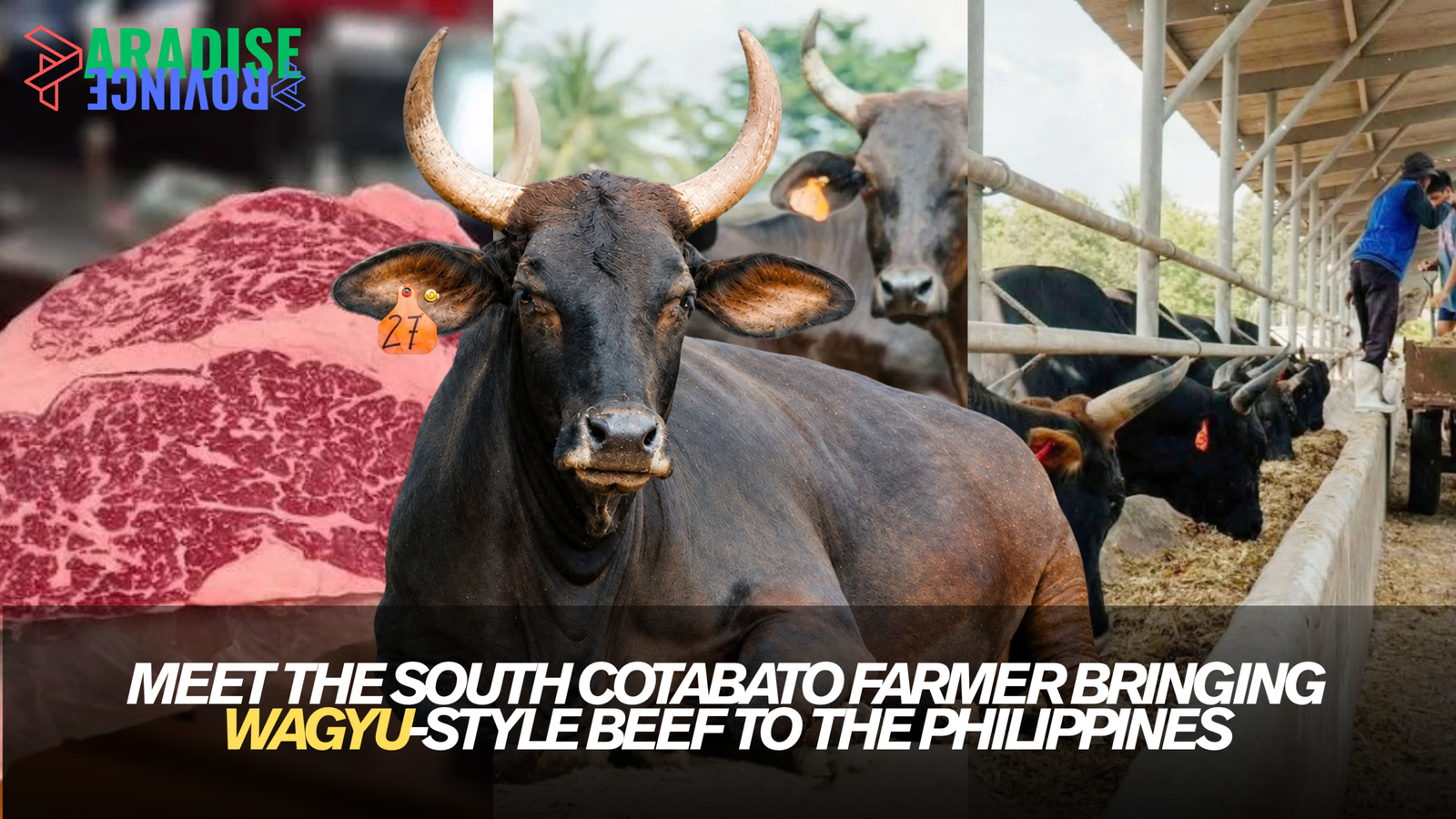
Wagyu beef is known worldwide for its tenderness, high price and abundant marbling of fat. Japan and Australia provide the bulk of the supply, so Filipinos who want this kind of premium meat have to get it through imports. That’s precisely what Filipino cattle farmer Arnel Corpuz is doing in South Cotabato. He raises crossbred cattle, and does a good job of caring for his herd so he can produce quality beef right here in this country. He wants to make premium beef more accessible to buyers locally. His work could also be a boon to local farmers, and a source of quality beef for restaurants.
Meet the man behind Wagyu cross breeds
Corpuz manages the Great Arch Farm in Polomolok, South Cotabato. He’s raising cattle there that are a cross between Wagyu and Brahman. There is difference between the breeds. Wagyu cattle are famous for their marbling, or fat within the muscle. This fat will tenderize the meat and keep it juicy. Brahman cattle are said to be tolerant of hot weather.
Corpuz wants to combine the two so that animals will be comfortable in the Philippine climate and still produce tender, well-marbled meat. His theory is to adapt premium cattle raising to local conditions. He does not import beef that has been processed elsewhere. Instead he is trying to build the process at home, from breeding to the final product.
Why Cross Wagyu With Brahman?
It is not easy to farm purebred Wagyu in a tropical country. Animals can be affected by heat stress and may require special care to keep them healthy. Brahman cattle are heat tolerant and therefore more adjusted to the local environment.
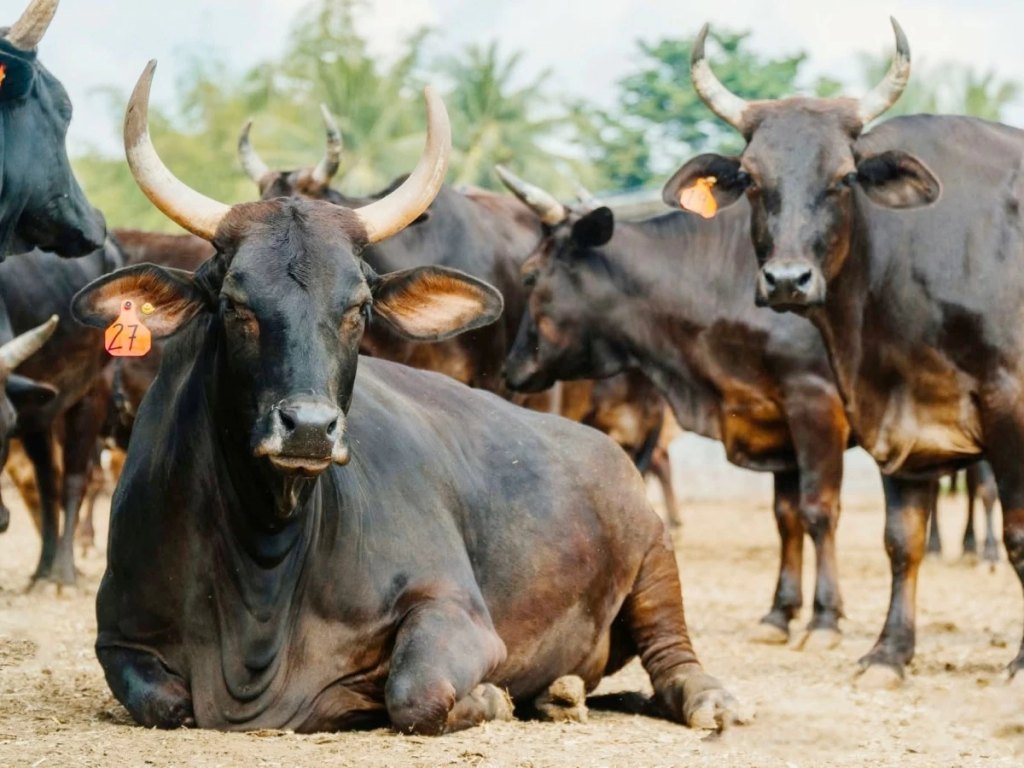
“I want both worlds,” he said. “I want to produce cattle that can handle the heat, but still retain some of the meat quality that Wagyu is known for.” Many farmers see it this way, to be able to raise Wagyu beef in the Philippines without having to depend solely on imports.
They are not trying to sell you expensive meat. It is also about developing a system that works in the Philippines, with animals that can survive and thrive in the local climate. This kind of local fix might help keep more money circulating in the farming community over time.
How much will it cost me?
The farm sells its crossbred beef at an estimated price of P1,500 to P3,500 per kilo. This is reflected in the PEP coverage in November 2025. In June 2026, Radyo Pilipinas reported the range was somewhere between ₱1,500 and ₱3,000 per kilo. Prices shown are subject to change.
Reports previously said live cattle were selling for between P150,000 and P250,000 a head. The price was dependent on the animal and the deal.
Remember, these are reported prices. Not guarantyd by Current Quotes. If you are interested in purchasing, please contact the farm directly for availability and price.
Feeding and care counts
Good beef isn’t just made by good genes. Animal care is important too, feeding. Corpuz says his cattle have had access to feed and a steady supply of clean drinking water for some time. This helps them develop and grow marbling.
He also took lessons from his prior experience running a feedlot in Queensland, Australia. There he learned the skills for cattle production that he now uses on his own farm. His farm is a great example of how good management, good nutrition and careful breeding can combine to improve local beef quality.
Is it competitive with imported beef?
Corpuz says his crossbred beef is as good as American Angus. But he admits it’s not as good as Japanese and Australian wagyu yet.
This difference is significant. Wagyu-Brahman crossbeef is not the same as purebred Japanese Wagyu. Japanese purebred Wagyu are raised under specific breeding protocols and grading criteria. This is something buyers should be aware of when they see crossbred beef on the market.
Production remains small as well. That makes it hard to supply restaurants and other buyers consistently. But the work at the farm suggests real opportunities for growth. For that to happen, more producers would need to build solid breeding, feeding and distribution systems.
What it Might Mean for Farmers and for Restaurants
Corpuz’s work points to a potential future for cattle farming in the Philippines. Local producers could sell premium beef to more buyers if more farmers learned to raise heat-tolerant crossbreeds. Ranchers wanting quality beef may have another choice other than imports. Local farms might have a new product to sell, too.
There are still hurdles. Supply is tight and quality has got to be consistent. Farmers would need good feed, clean water, proper care, and a way to get the beef to buyers. These steps require time, money and skill. Still, Great Arch Farm is an example of local producers’ willingness to try something new.
Homemade premium beef
Great Arch Farm is an example of Filipino farmers exploring new approaches to improve cattle genetics and management. Corpuz is breeding Wagyu with heat-tolerant Brahman cattle, a pragmatic way to raise animals adapted to Philippine conditions.
His beef may not be as good as purebred Japanese Wagyu, but it gives the country’s livestock industry another option. With better production and a steady supply, locally grown Wagyu crossbreds could open up new opportunities for farmers, food businesses and consumers looking for premium meat produced in the Philippines.