How to Visit Vietnam’s Most Popular Places: A Step-by-Step Guide From Our Trip
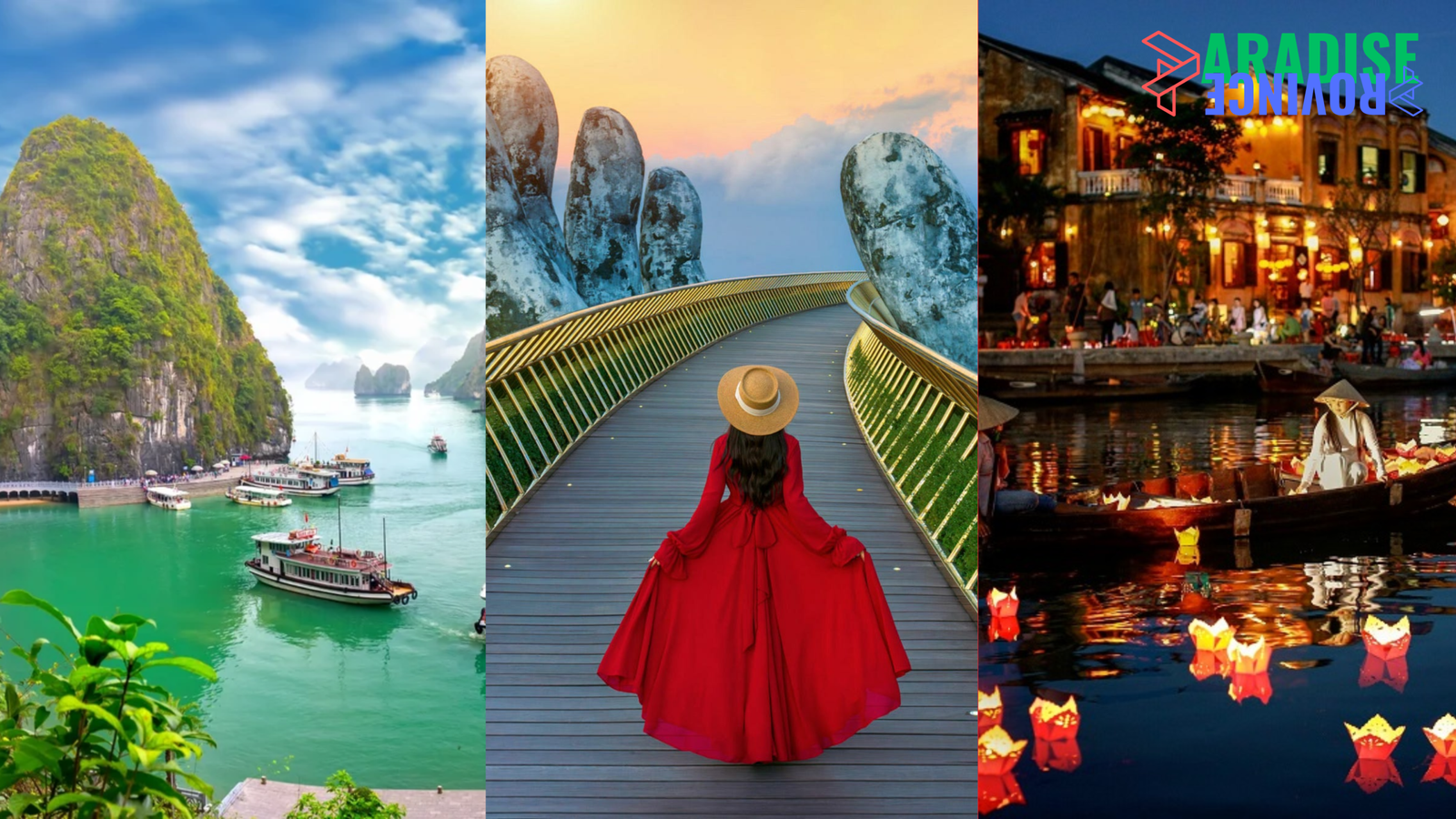
Vietnam had been on my travel list for years, but it became a very different kind of journey when I finally explored it with my girlfriend. Instead of treating the country as a collection of famous photo stops, we planned a north-to-south route that gave us time to understand each place: the early-morning rhythm of Hanoi, the limestone landscapes of Ninh Binh and Ha Long Bay, the lantern-lit streets of Hoi An, the mountain air above Da Nang, the restless energy of Ho Chi Minh City, and the slower island life of Phu Quoc.
That combination made Vietnam memorable, but it also taught us that smooth travel here depends on preparation. Distances can look short on a map but take hours by road. Weather can completely change a boat trip or mountain visit. A cheap tour is not always a good-value tour once vague inclusions, distant pickup points, and surprise charges enter the picture.

This guide is the practical account I wish we had before leaving. It explains how we prepared, which booking platforms we considered, how to reach seven of Vietnam’s most popular destinations, what tickets may cost, what to eat, where to save, and how couples can avoid the hassles that consume valuable holiday time.
Planning note: Prices in this guide are approximate as of 2026 and are usually quoted in Vietnamese dong (VND). Attraction fees, transport fares, exchange rates, and package inclusions can change. Confirm the final price on the attraction’s official page or with your booking provider before paying.
Before Traveling to Vietnam: Our Step-by-Step Preparation
1. Check passports, entry rules, and travel insurance
We began with the least romantic but most important part: documents. Both passports had ample validity beyond our return date, and we checked Vietnam’s requirements for our nationality rather than relying on old social-media posts. Visa exemptions differ by passport, trip length, and entry conditions.
Travelers who need an electronic visa should use Vietnam’s official e-visa portal. The official system currently states that an e-visa may be valid for up to 90 days, with single-entry and multiple-entry options; the listed government fees are US$25 and US$50, respectively. We saved printed and offline copies of our approval, passports, insurance policy, return flight, first hotel, and essential contacts.
We also bought travel insurance covering medical emergencies, trip disruption, lost baggage, and activities we intended to do. Insurance should not be treated as permission to take careless risks, but it can prevent one accident or canceled connection from becoming a financial disaster.
2. Decide on a route before booking hotels

Our biggest planning improvement was choosing the route before choosing attractive hotels. Vietnam is long and narrow, so repeatedly flying or taking trains back and forth wastes time and money.
For a first visit of roughly two weeks, this route is practical:
- Hanoi: 2–3 nights
- Ninh Binh: 1–2 nights
- Ha Long Bay: day trip or 1-night cruise
- Da Nang and Ba Na Hills: 2 nights
- Hoi An: 2 nights
- Ho Chi Minh City and Cu Chi: 2–3 nights
- Phu Quoc: 2–3 nights
This is still a busy itinerary. With only 7–10 days, I would remove Phu Quoc or choose either northern Vietnam or central and southern Vietnam. Trying to “complete” a country usually leads to more time in airports than in neighborhoods.
3. Book flights and hotels with location in mind

We compared flights first, then reserved accommodation with free cancellation while finalizing the details. Agoda was helpful for comparing hotels and guesthouses, particularly in Asia, but we checked the hotel’s recent reviews, map position, room type, taxes, breakfast, and cancellation terms before paying.
Location matters more than a small room-price difference. In Hanoi, we preferred the Old Quarter or an easily accessible nearby street. In Hoi An, staying within walking or cycling distance of the Ancient Town saved repeated taxi fares. In Ho Chi Minh City, a central District 1 location simplified sightseeing. On Phu Quoc, we chose an area based on beaches and airport access rather than simply booking the cheapest resort on the island.
We messaged each hotel shortly before arrival to confirm the reservation and ask about late check-in, airport transfers, deposits, and construction. We never sent passport details or payment information through an unverified messaging account.
4. Compare tour packages carefully

We used Klook and Agoda for comparisons, but no platform should replace careful reading. We checked the exact pickup zone, start and finish times, entrance fees, meals, boat type, guide language, group size, cancellation policy, and whether “hotel pickup” actually covered our hotel.
In addition to Klook and Agoda, three useful companies or platforms serving Vietnam are:
- GetYourGuide: Useful for comparing guided day trips, cruises, food tours, and skip-the-line or pickup options.
- KKday: Strong in Asian destinations and useful for attraction tickets, transfers, day tours, and activity packages.
- Vietnam Travel Group: A Vietnam-based inbound tour operator offering transport, reservations, private tours, and customized itineraries.
Traveloka and established local operators are also worth checking. We compared the platform price with the operator’s direct price, but selected the option with the clearest terms—not automatically the lowest number. For an overnight Ha Long cruise or a weather-sensitive experience, support and cancellation conditions matter.
Before confirming any tour, we saved screenshots of the inclusions, meeting point, emergency contact, and voucher. That simple habit helped when mobile reception was weak.
5. Prepare money, mobile data, maps, and transport apps
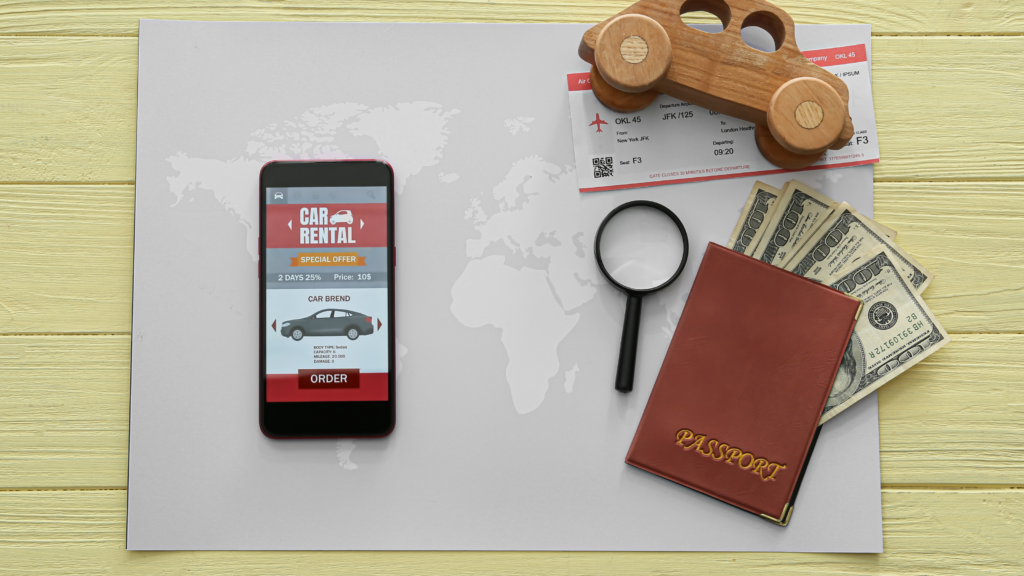
Cards are widely accepted at hotels and larger businesses, but cash remains useful for markets, small restaurants, tickets, tips, and local transport. We carried modest amounts in separate places and withdrew money from established bank ATMs. We declined unofficial currency exchanges and never let a stranger “help” at an ATM.
We installed an eSIM or bought a local SIM, downloaded offline Google Maps, saved Vietnamese addresses, and installed Grab for cars and motorbike rides. We also kept the hotel’s name and address in Vietnamese. For long-distance travel, domestic flights are fastest; trains offer a slower, scenic experience; sleeper buses can save money but vary greatly in comfort and safety.
Seven Amazing Places in Vietnam and How We Visited Them
1. Hanoi: The Best Introduction to Vietnam
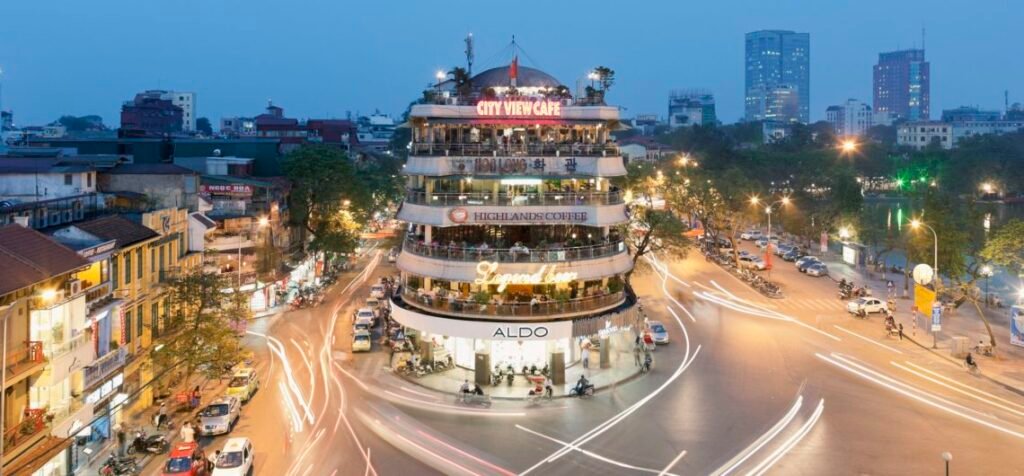
Hanoi was our first lesson in not judging a city during the airport transfer. At first, the stream of motorbikes looked impossible to cross. A day later, my girlfriend and I were walking around Hoan Kiem Lake at sunrise, drinking egg coffee, and learning to move with the city rather than against it.
How to get there and get around
Most international visitors arrive at Noi Bai International Airport, about 25–30 kilometers from central Hanoi. Depending on traffic, the journey can take 35–60 minutes. Options include airport bus services, public buses, hotel transfers, Grab, and metered taxis from official ranks. A prearranged transfer is convenient for a late arrival or a couple carrying several bags.
Within central Hanoi, walking is often best. Grab cars and motorbike taxis are practical for longer distances. Public buses are inexpensive, while cyclos can be enjoyable for a short sightseeing ride—agree on the total fare, duration, and whether the price is per person before starting.
Tickets and what to expect
The Old Quarter and Hoan Kiem Lake are free to explore. Paid attractions have separate tickets. As a planning example, the Temple of Literature’s adult admission has recently been published at around 70,000 VND, although older listings show lower prices; check the ticket counter or official information on the day. The Ho Chi Minh Mausoleum complex has rules on clothing, photography, bags, and opening schedules, so arrive early and follow staff instructions.
Expect dense traffic, narrow sidewalks, hidden cafés, colonial-era architecture, active temples, and food preparation happening just meters from passing motorbikes. Hanoi rewards slow observation.
What we ate
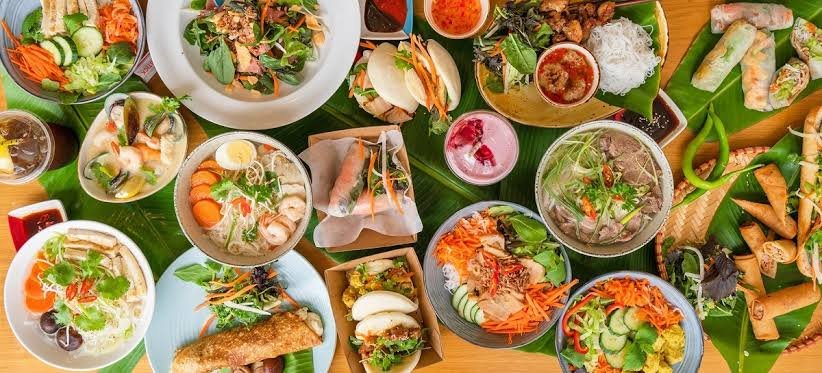
We tried phở bò for breakfast, bún chả with grilled pork and noodles, chả cá with herbs and turmeric-seasoned fish, and cà phê trứng, Hanoi’s famous egg coffee. For street food, we chose busy stalls with high turnover and watched whether ingredients were cooked fresh.
Saving and hassle-avoidance tips
Walk between nearby Old Quarter sights instead of ordering several short rides. Confirm prices before accepting fruit photos, shoe repairs, cyclo rides, or street photography props. When crossing a road, move predictably at a steady pace and avoid sudden backward steps. Do not assume motorbikes will stop as they might elsewhere.
2. Ninh Binh and Trang An: Limestone Peaks and Quiet Waterways
Ninh Binh gave us one of those rare travel days when the landscape seemed too carefully arranged to be real. At Trang An, our small rowboat moved between limestone cliffs, caves, and temple stops. Sitting together without an engine roaring beside us made it one of the calmest parts of the trip.

How to get there and rides available
Ninh Binh is roughly 90–100 kilometers south of Hanoi. The usual choices are train, limousine van, tourist bus, private car, or an organized day tour. Travel normally takes around two to three hours depending on the service and traffic.
Ninh Binh city is not the same as the main scenic areas. Many visitors stay around Tam Coc, which has restaurants, bicycle rentals, and easier access to attractions. Local transport includes bicycles, scooters, taxis, electric carts at selected sites, and hired cars with drivers. Only rent a scooter if you are properly licensed, insured, helmeted, and confident in local conditions.
Ticket fee and what to expect
Trang An’s commonly published 2026 adult price is approximately 250,000 VND per person, including the shared boat journey. Routes and duration vary, often taking around 2.5–3.5 hours. Confirm which route is operating and what is included before boarding.
Expect low cave ceilings, open water, exposed sunshine, temple steps, and a long period in a small boat. Wear a hat, sunscreen, and clothing suitable for religious stops. Keep your camera secured and help maintain balance when entering or leaving.
What we ate
Ninh Binh is known for cơm cháy, crispy rice served with savory sauce, and dê núi, mountain goat prepared grilled, steamed, or stir-fried. We also ordered vegetables and rice to balance the heavier local specialties. Ask for the price first when a restaurant sells meat by weight.
Saving and hassle-avoidance tips
Staying overnight can be better value than rushing through a day tour, particularly if you want Trang An, Hoa Lu, and Hang Mua. Bring water but avoid littering. Do not stand in the boat for photos, wander away from marked areas, or pressure the rower to move faster. Tipping is optional; it should not replace a clearly stated fare.
3. Ha Long Bay: A Cruise Through Vietnam’s Famous Seascape
Ha Long Bay was the place where advance research mattered most. Hundreds of limestone islands rising from the water are spectacular, but cruise quality varies. My girlfriend and I spent more time reading vessel and cabin reviews than admiring promotional photos, and that effort was worthwhile.

How to get there and cruise choices
Ha Long is about 150–170 kilometers east of Hanoi. Modern expressways have reduced many transfers to roughly 2.5–3.5 hours. Choices include shared limousine vans, tour buses, private transfers, or self-arranged transport to the cruise port.
On the bay, visitors can choose a half-day or full-day sightseeing cruise, a one- or two-night cruise, kayaking, bamboo boats at specific stops, and premium small-group vessels. Lan Ha Bay is an alternative often included in itineraries departing near Cat Ba.
Ticket fees and what to expect
Published sightseeing admission for common Ha Long routes is often around 260,000–310,000 VND per person, but this is only part of the cost. A cruise package may add the vessel, meals, transfers, cabin, kayaking, insurance, and service charges. Day tours commonly cost far more than admission alone; overnight cruises span a wide range.
Expect magnificent scenery but also port procedures, other vessels, changing weather, and tightly timed stops. Fog can create atmosphere while reducing long views. Cruises may be delayed, rerouted, or canceled for safety.
What we ate
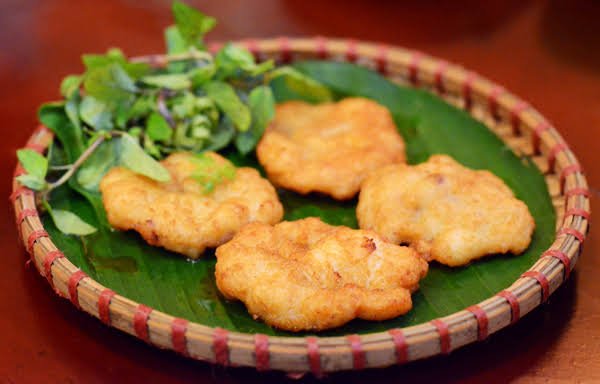
Seafood is the natural choice: prawns, squid, crab, clams, and local fish. In Ha Long City, look for chả mực, hand-pounded squid cakes often served with sticky rice or rice rolls. On a cruise, tell the operator about allergies and dietary restrictions in advance; a vague “seafood-free” request at boarding may be too late.
Saving and hassle-avoidance tips
Compare total prices, not the headline fare. Check the actual ship name, launch date or renovation history, cabin window or balcony, transfer, drinks, single supplements, and cancellation policy. Avoid unlicensed sellers and deals that cannot identify the vessel. Never ignore life-jacket instructions, climb railings for photos, or kayak outside the designated area.
4. Da Nang and Ba Na Hills: From Beach City to Mountain Views
Da Nang felt spacious after Hanoi. We used it as a comfortable base for the coast, good seafood, and a day at Ba Na Hills. The Golden Bridge is the famous image, but the changing mountain weather and cable-car journey were equally memorable.

How to get there and rides available
Da Nang has an international airport close to the city. It is also served by the Reunification Express railway and long-distance buses. From central Da Nang to Ba Na Hills is roughly 25–35 kilometers depending on the pickup point. We could choose a guided tour, shared shuttle, Grab or taxi, or a private car with a waiting arrangement.
At the attraction, cable cars connect the mountain areas. Some packages include a Da Nang shuttle, while others cover admission only. Read the voucher carefully.
Ticket fee and what to expect
Published 2026 admission for domestic and international visitors has been listed around 950,000–1,050,000 VND per adult, depending on the current policy and package. Buffet, night, transport, wax museum, and other add-ons may have separate prices. Confirm directly before visiting.
Arrive early if the Golden Bridge is your priority. Expect queues, a theme-park atmosphere, a French-inspired village, gardens, indoor attractions, steep walking sections, and weather much cooler and more changeable than coastal Da Nang. Clouds can hide the view within minutes.
What we ate
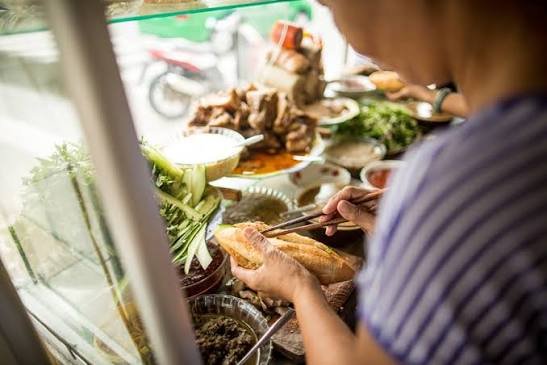
In Da Nang, we tried mì Quảng, wide turmeric-tinted noodles with herbs and a small amount of rich broth; bún chả cá, fish-cake noodle soup; bánh tráng cuốn thịt heo, pork and herbs wrapped in rice paper; and fresh seafood. Ba Na Hills has buffets and restaurants, but eating a good local breakfast in the city helped us avoid buying every snack on the mountain.
Saving and hassle-avoidance tips
Compare a ticket-plus-transfer package with separate transport. For two people, a shared shuttle can be economical; a private driver may make sense when combined with other stops. Bring a light jacket and rain protection. Do not schedule Ba Na Hills immediately before a flight—the road, cable cars, queues, and weather introduce too many variables.
5. Hoi An Ancient Town: Lanterns, Tailors, and Riverside Evenings
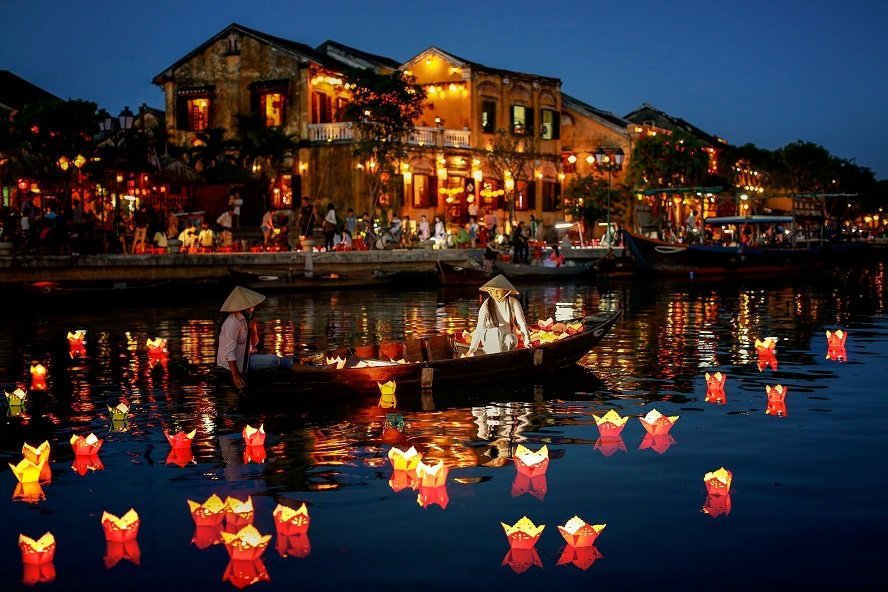
Hoi An was the most romantic stop of our trip, although its beauty is hardly a secret. By late afternoon the lanes filled quickly, so our favorite hours were early morning, when yellow façades and wooden shopfronts belonged to residents, cyclists, and breakfast vendors.
How to get there and get around
Hoi An has no commercial airport or railway station. Most travelers arrive through Da Nang, about 30 kilometers away, using a hotel transfer, shuttle, taxi, Grab, public bus where available, or private car. The drive often takes 45–60 minutes but can be longer in traffic.
Inside the heritage center, walking and cycling are best. Boats operate on the Thu Bon River, and taxis or app-based cars serve outer areas such as An Bang Beach. Confirm boat prices and duration before boarding.
Ticket fee and what to expect
Hoi An’s heritage ticket is commonly listed at 120,000 VND for an international adult and provides access to a selection of ticketed historic sites. Policies and included attractions should be confirmed at an official booth. Wandering some surrounding streets may feel open, but the ticket helps preserve the heritage area and is required for included monuments.
Expect preserved merchant houses, assembly halls, the Japanese Covered Bridge, tailor shops, lanterns, riverside restaurants, crowds, and aggressive sales pitches in the busiest zones. Visit ticketed houses earlier, then return for the evening atmosphere.
What we ate
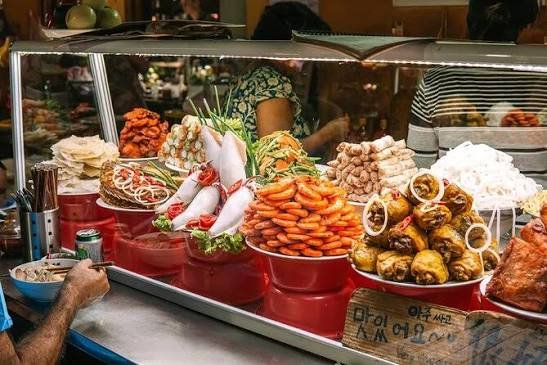
Hoi An has an exceptional local menu: cao lầu, thick noodles with pork, greens, and crisp toppings; white rose dumplings; mì Quảng; bánh mì; and cơm gà Hội An, the town’s chicken rice. We shared several dishes instead of ordering one large meal each, which let us taste more without wasting food.
Saving and hassle-avoidance tips
Rent bicycles through a reputable hotel or shop and inspect brakes and tires. For tailoring, allow multiple fittings, agree on fabric, lining, completion date, alterations, and total cost in writing, and do not pay every peso—or dong—before the fit is correct. Avoid releasing paper lanterns if it creates litter or fire risk. Guard your phone and wallet in packed evening areas.
6. Ho Chi Minh City and the Cu Chi Tunnels: Energy Above and History Below
Ho Chi Minh City changed the pace again. It felt modern, commercial, and intensely mobile, yet layers of history appeared everywhere. We paired central landmarks with a half-day trip to the Cu Chi Tunnels, which added context that a quick museum visit alone could not provide.
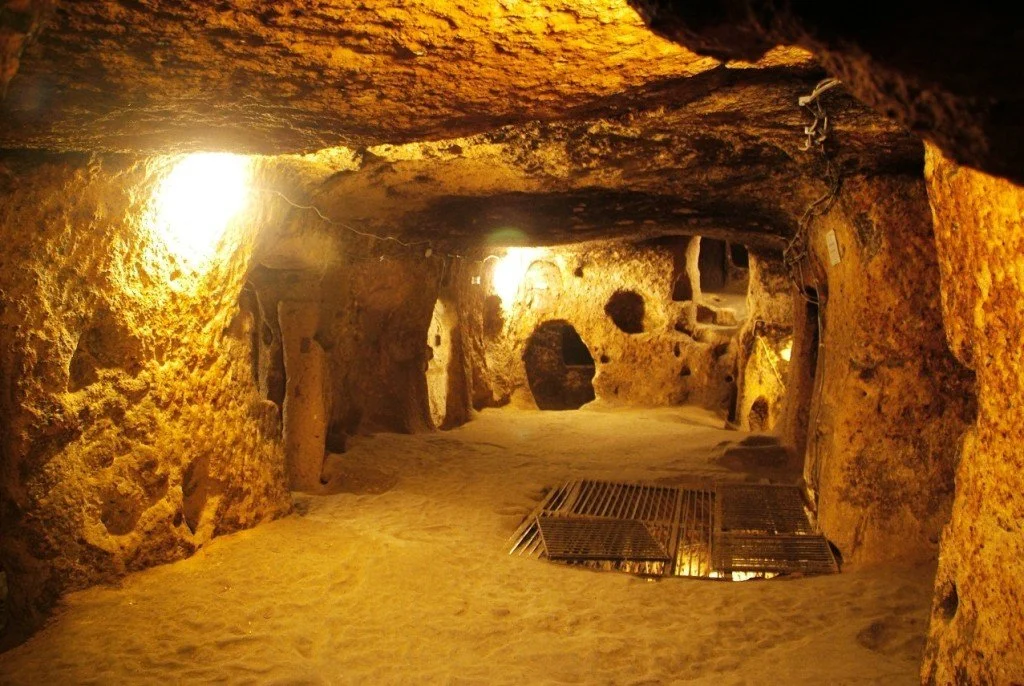
How to get there and reach Cu Chi
Tan Son Nhat International Airport serves the city. Central transport includes airport buses, official taxis, Grab, private transfers, and the city’s expanding public-transport network. Within the center, many landmarks are walkable, although heat and traffic make short rides useful.
The Cu Chi sites are approximately 50–70 kilometers from central Ho Chi Minh City, depending on whether you visit Ben Dinh or Ben Duoc. Options include a group minibus tour, public bus combinations, private car, taxi or Grab, motorbike tour, and selected boat-based packages. A guided group tour is usually easiest for a first visit because transport and historical interpretation are combined.
Ticket fee and what to expect
Recent 2026 listings place the combined foreign visitor charge at roughly 125,000–135,000 VND, though guided packages, meals, transfers, shooting-range activities, and special night programs cost extra. Confirm whether your tour price includes the site ticket.
The tunnels are narrow, dark, hot, and physically demanding. Visitors can remain above ground and still learn from exhibits and demonstrations. My girlfriend and I treated entering a tunnel as optional, not a test of courage. Anyone with claustrophobia, respiratory concerns, mobility limitations, or back and knee problems should speak with the guide.
What we ate
In the city we tried cơm tấm, broken rice with grilled pork; bánh xèo, crisp savory pancakes; hủ tiếu, a southern noodle dish; and fresh gỏi cuốn rolls. At Cu Chi, visitors may be offered boiled cassava with a sesame-peanut dip, associated with the wartime diet. It is simple, but meaningful in context.
Saving and hassle-avoidance tips
Group tours are generally cheaper than a private round-trip car. Check whether shopping stops are built into the itinerary. At markets, bargain politely only where bargaining is expected and verify change. Use the official Grab app rather than accepting someone claiming to be your driver. Keep bags away from the road side of your body to reduce drive-by theft risk.
7. Phu Quoc: A Relaxed Finish to a Busy Journey
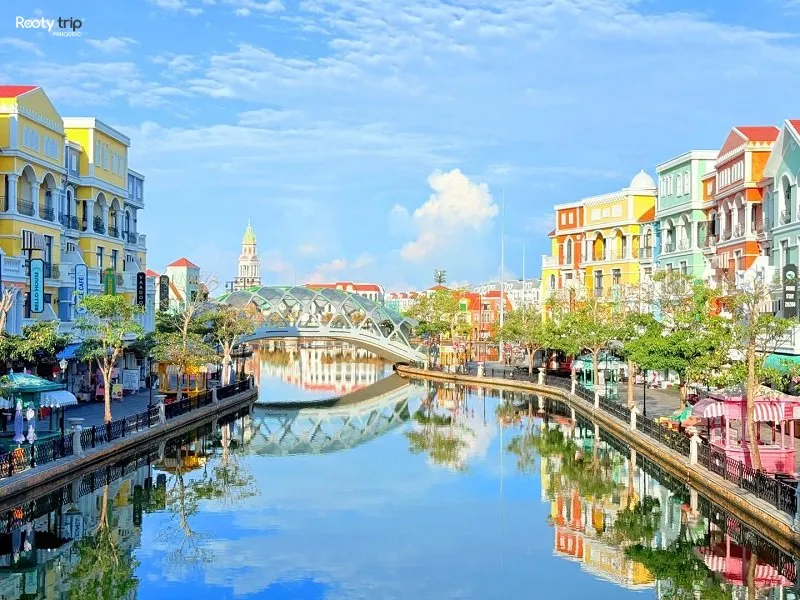
After cities, vans, boats, and mountain cable cars, Phu Quoc gave us space to slow down. We spent less time chasing landmarks and more time swimming, watching sunsets, visiting the night market, and deciding whether an island tour was worth an early start.
How to get there and get around
The easiest route is a domestic flight from Ho Chi Minh City, Hanoi, or Da Nang to Phu Quoc International Airport. Ferries and high-speed boats also connect the island with mainland ports such as Ha Tien and Rach Gia, but reaching those ports adds overland travel.
Island transport includes airport shuttles, taxis, Grab where available, resort vehicles, tour vans, private cars, boats, and rented scooters. Distances between southern and northern attractions can be substantial, so group nearby stops rather than zigzagging across the island.
Ticket fees and what to expect
Public beaches and the night market generally do not require admission, although beach clubs, parking, chairs, or private resort areas may charge. Major attractions—VinWonders, Vinpearl Safari, Hon Thom cable car, Aquatopia, shows, and island-hopping tours—use separate or combination pricing that changes often. As examples, recent Grand World listings place a gondola ride or Teddy Bear Museum around 200,000 VND per adult, while the evening Quintessence of Vietnam show has been listed around 300,000 VND. Confirm current official prices and height-based child categories.
Expect tropical heat, strong sun, sudden rain, long transfers, variable sea conditions, and commercial resort zones alongside quieter communities. A four-island tour may include snorkeling, fishing, lunch, and photography, but inclusions differ.
What we ate
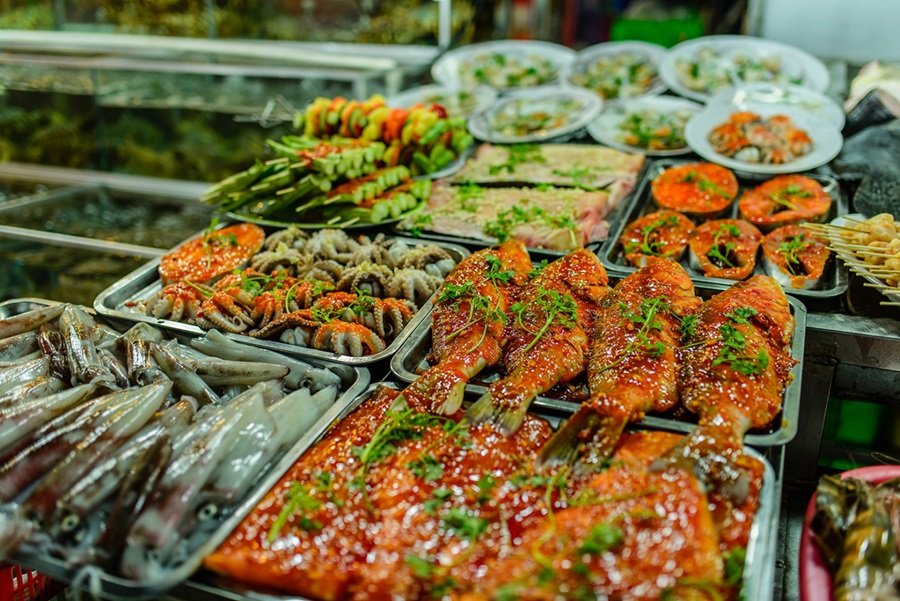
We looked for gỏi cá trích, herring salad with herbs and rice paper; grilled sea urchin; crab, squid, and shellfish; bún quậy, a noodle soup whose name refers to stirring the sauce; and products flavored with Phu Quoc pepper. At the night market, we asked for seafood prices by piece or weight before ordering and watched the item being weighed.
Saving and hassle-avoidance tips
Choose accommodation based on the part of the island you actually plan to explore. A cheap remote room can generate expensive daily transfers. Compare island tours by boat size, maximum passengers, snorkeling equipment, marine-park fees, lunch, pickup zone, and weather policy. Do not touch coral, stand on reefs, feed wildlife, or swim when operators or lifeguards advise against it.
How We Saved Money Without Making the Trip Miserable
The best savings came from planning, not deprivation.
- We traveled in one direction. Open-jaw international flights or well-planned domestic connections reduced backtracking.
- We compared the full cost. A cheap tour without transfers or admission sometimes cost more after add-ons.
- We stayed near what we wanted to see. Central rooms saved time and daily transport.
- We mixed paid and free days. A Ba Na Hills ticket day was followed by a beach, neighborhood, or walking day.
- We ate local food. Busy family restaurants and stalls often offered better meals than tourist-view restaurants.
- We shared portions. This helped us sample more specialties without overspending.
- We used cash thoughtfully. Small notes reduced change disputes, while cards were reserved for reputable businesses.
- We booked high-risk items early. Flights and reputable cruises deserved advance planning; ordinary city walks did not need packages.
- We left buffer time. Missing a flight is far more expensive than one extra hotel night.
What Travelers Should Avoid in Vietnam
Vietnam is welcoming, but common travel mistakes create avoidable problems. We avoided unofficial taxis, unlicensed tour sellers, currency exchanges with unclear rates, motorbike rentals without the correct license and insurance, and vendors who would not state a price before providing a service.
We also avoided overloading each day. Hanoi, Ninh Binh, and Ha Long should not be squeezed into a single exhausting circuit. Neither should Ba Na Hills, Hoi An, and a late-night flight. “Possible” is not the same as enjoyable.
At natural and historic places, we did not climb barriers, fly drones without checking restrictions, photograph people intrusively, enter temples in beachwear, or treat war sites as amusement parks. Respect is part of safe travel.
Safety Tips for a Smooth, Hassle-Free Couple’s Trip
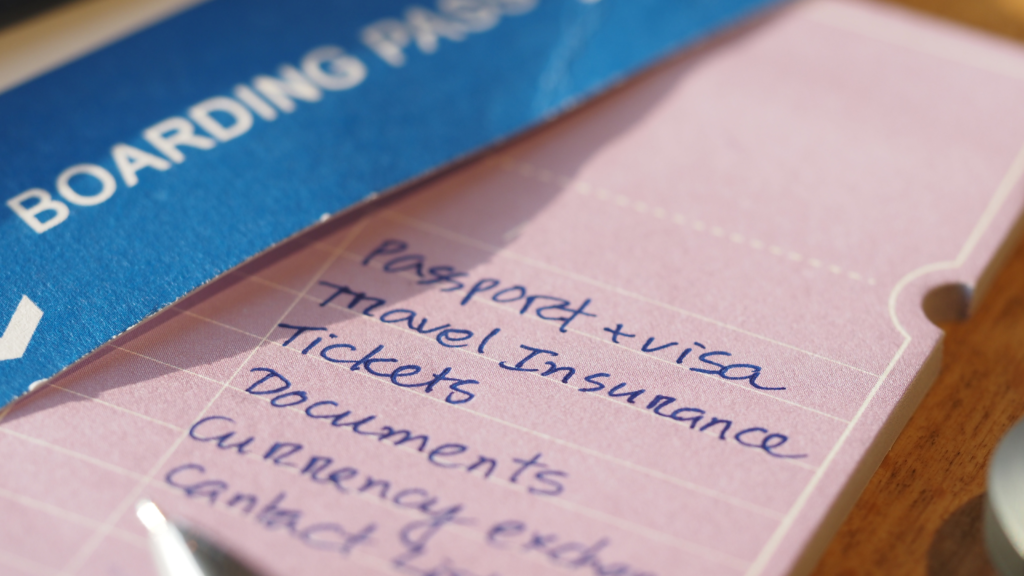
- Use official immigration and booking channels. Check the web address carefully; visa-lookalike sites can charge unnecessary fees.
- Share the itinerary. We kept each other informed and sent essential flight and hotel details to someone at home.
- Keep backup copies. Store passport, visa, insurance, and bookings securely online and offline, separate from the originals.
- Verify vehicles. Match the plate and driver in the app before entering. Do not disclose your ride code to someone outside the correct vehicle.
- Protect phones and bags. Avoid holding a phone toward the road. Use zipped cross-body bags in markets and nightlife areas.
- Be conservative on motorbikes. Wear a proper helmet and do not drive unless legally licensed, insured, sober, and experienced.
- Watch food and water hygiene. Choose high-turnover food, drink sealed or safely filtered water, and carry oral rehydration salts and basic medication.
- Respect heat and weather. Hydrate, use sunscreen, and follow warnings for storms, rough seas, floods, or extreme heat.
- Do not carry all money together. Split cash and cards between secure locations, but never hide valuables carelessly in checked baggage.
- Know emergency options. Keep hotel contacts, insurer assistance, local emergency information, and your embassy or consulate details accessible.
- Set a meeting point. In a crowded market or attraction, we chose an obvious place to meet if our phones failed.
- Trust discomfort early. If a ride, seller, street, or situation feels wrong, leave calmly before it escalates.
Final Thoughts: Vietnam Is Better When You Leave Room for It
What stayed with me was not a single checklist attraction. It was my girlfriend laughing as we tried to assemble rice-paper rolls correctly, the quiet dip of oars at Trang An, clouds moving across Ba Na Hills, lantern reflections breaking apart on the Thu Bon River, and the relief of reaching Phu Quoc with nowhere urgent to be.
A well-planned Vietnam trip should create freedom, not a rigid schedule. Book the parts that can sell out or ruin the journey if they fail: entry documents, key flights, well-reviewed accommodation, major transfers, and a reputable Ha Long cruise. For everything else, leave enough space to return to a café, wait out a rain shower, follow a food recommendation, or simply rest.
Vietnam rewards travelers who arrive prepared but remain curious. If you respect its roads, weather, culture, and pace, the country becomes more than a sequence of beautiful places. It becomes a journey you and your partner will keep retelling long after you return home.
Useful Planning Sources
- Vietnam National Electronic Visa System
- Vietnam Immigration Department
- Ha Long Bay ticket and route information
- Grand World Phu Quoc attraction information