Discover the Beauty of Bangladesh: A Traveler’s Guide to Its Best Destinations
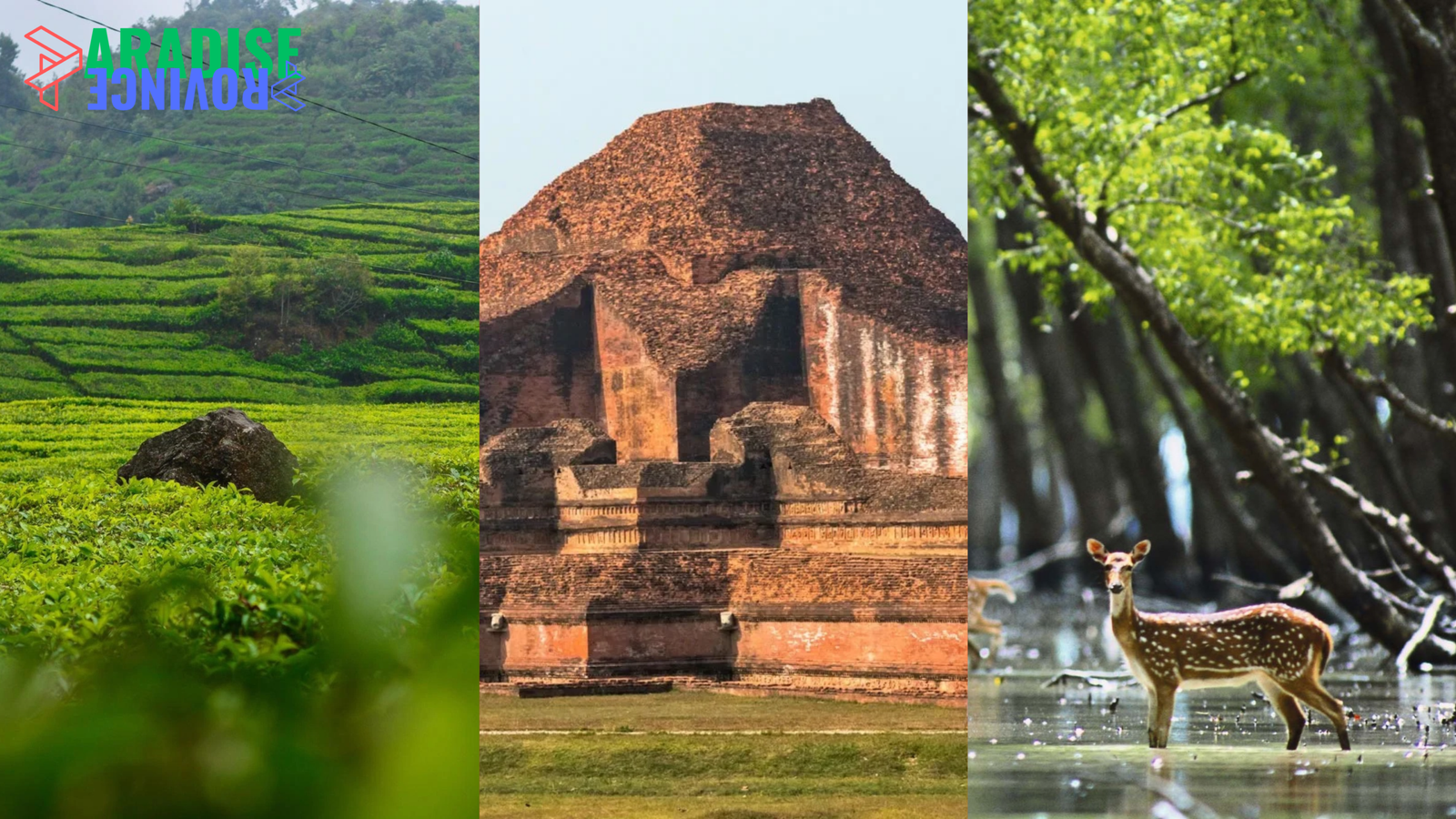
As a travel content writer, I’ve always been interested in finding places that offer more than the usual tourist experience. Bangladesh is one of those places that needs more attention. For those willing to venture a little further, the country has a surprising number of things to offer, from vast rivers and tranquil tea gardens, to historic cities, ancient monuments and incredible wildlife.
What I like about Bangladesh is the diversity that you can experience in a single country. From crowded urban streets to peaceful country towns and tropical rainforests to beaches, historic mosques, Buddhist sites and spectacular mountain scenery. Bangladesh is worth considering by travelers who want a destination that feels different from the usual South Asian itinerary.
This guide is a look at some of the places I’d add to my Bangladesh travel list, and practical things I’d think about when planning a trip.
Why I would go to Bangladesh
One thing that leaps out immediately when I look at a map of Bangladesh are its rivers. The Ganges, Brahmaputra, and Meghna river systems have influenced much of the country’s landscape and lifestyle.
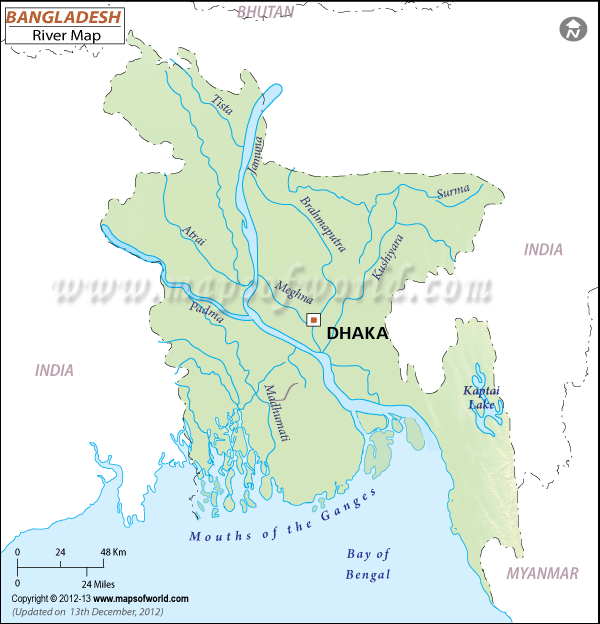
Water plays a key role in the daily life of Bangladesh. Rivers link communities, nourish agriculture, shape transportation and sculpt landscapes that can be quite different from those travelers see on the country’s roads.
I also find the combination of nature and history of the country quite interesting. One trip could take me through the southern mangroves, to the beaches of Cox’s Bazar, into the historic areas of Dhaka, up into the hills of the southeast, and to the tea plantations of Sylhet.
This variety is one of the biggest attractions of Bangladesh for me.
Sundarbans: A wildlife experience I won’t miss
If I had to pick one natural attraction to focus on, the Sundarbans would be high on my list.
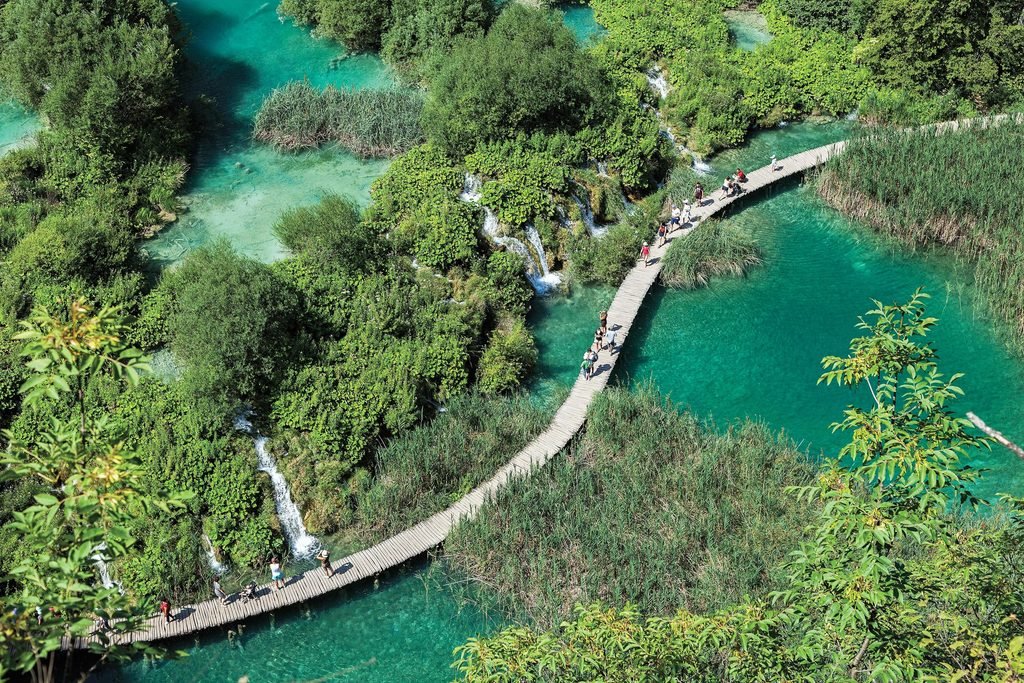
The Sundarbans is the world’s largest mangrove forest area, spread across Bangladesh and India. The Bangladesh side is known for its wildlife, waterways and Bengal tiger habitat.
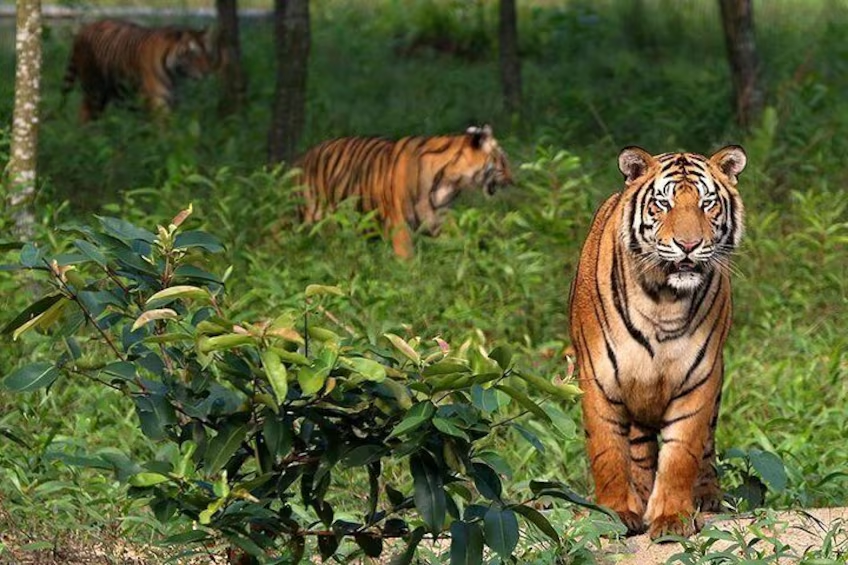
I would not merely regard the forest as another sight-seeing place, but I would explore it by boat. Visitors get to see the mangrove environment from a whole new perspective while traveling through narrow waterways.
Wildlife spotting may include spotted deer, crocodiles, kingfishers and other birds. A sighting of a Bengal tiger is bound to be unforgettable, but I would never plan a trip with the hope of a guarantyd sighting.
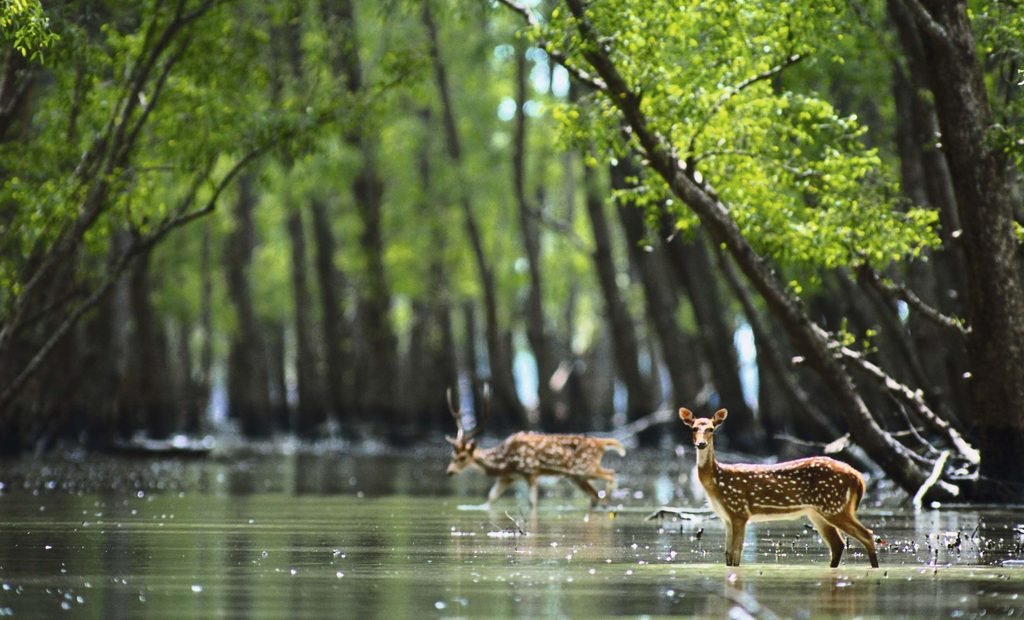
The source suggests to go from October to February when things are more comfortable and easier to explore. When visiting protected areas like the Sundarbans, travelers should also keep in mind the importance of permits and organized arrangements.
Cox’s Bazar: An Extended Coastline
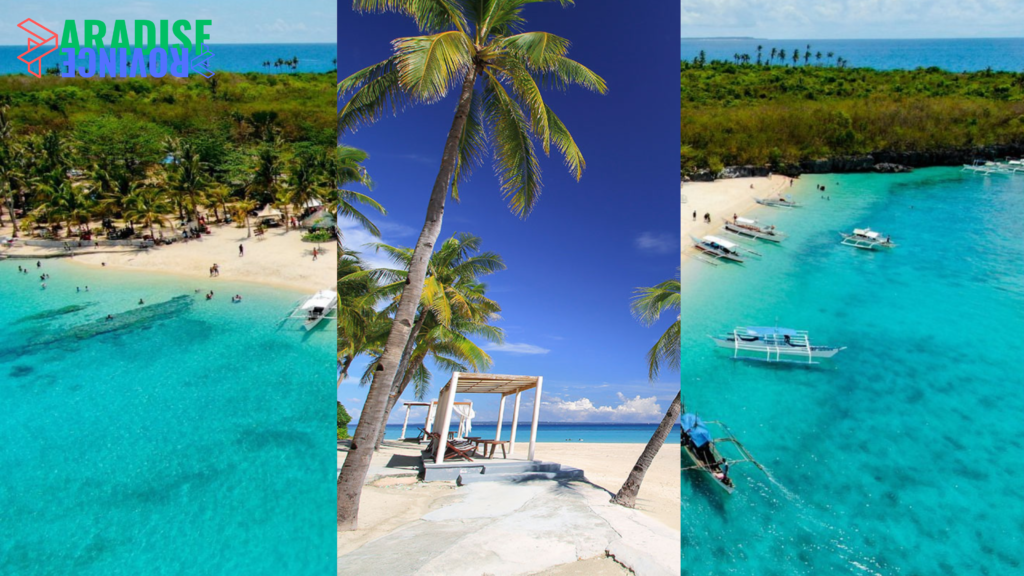
Another destination I would add is Cox’s Bazar, one of the most famous coastal destinations of Bangladesh.
It is a popular destination for both locals and international tourists due to its long natural beach. For me, the attraction would be not just in spending time by the sea but in exploring areas beyond the main beach.
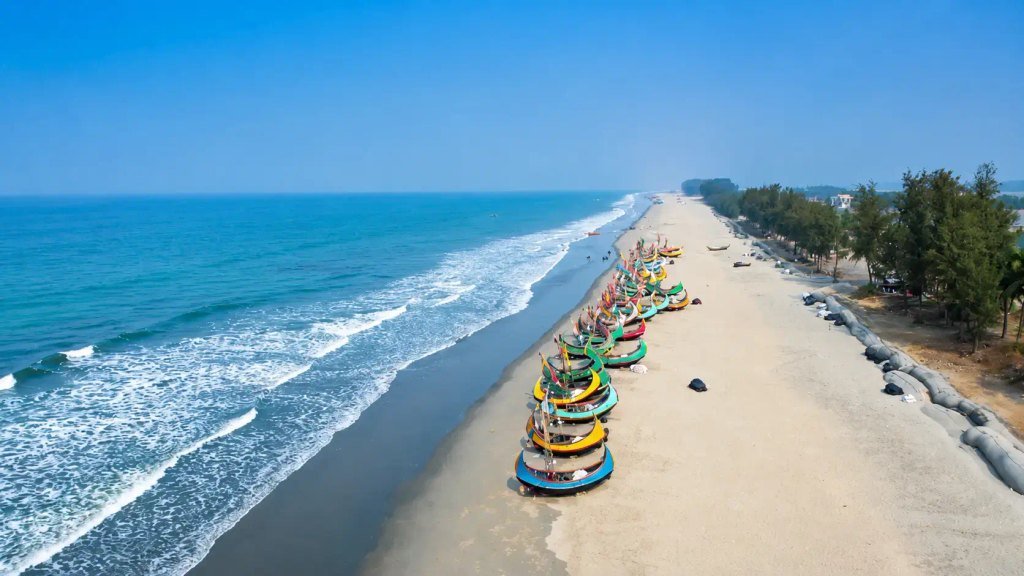
Inani and Himchari provide a chance to enjoy a more peaceful side of the coast. If you are a traveler who loves marine activities, then you can also try out St. Martin’s Island which has a coral environment and clear coastal water.
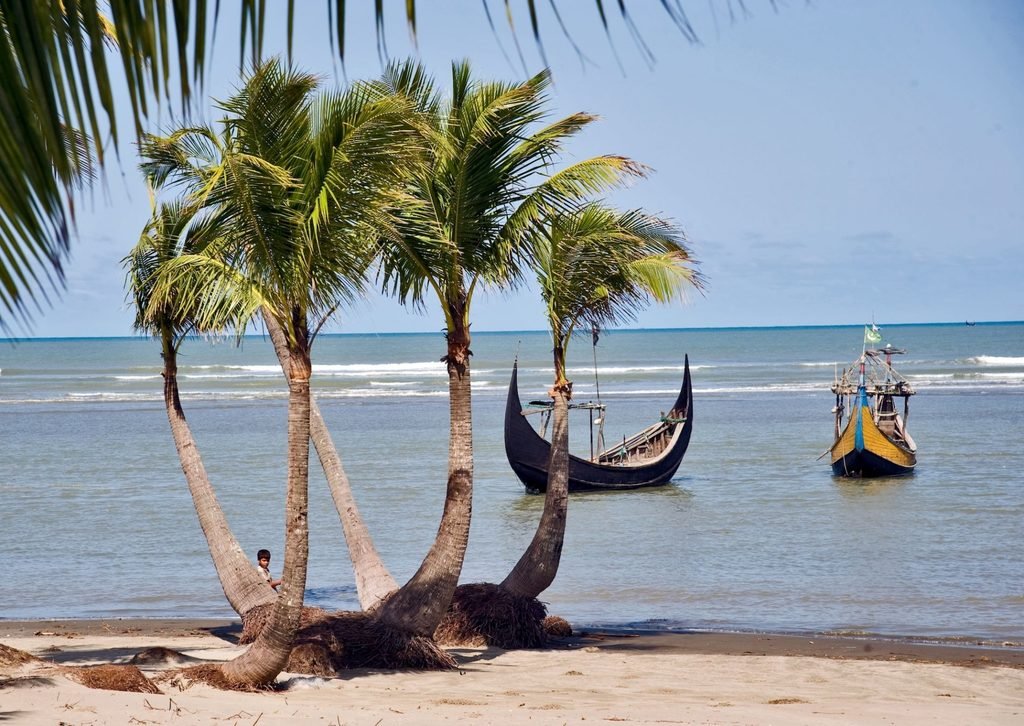
So Cox’s Bazar can be more than just a beach stop. I would take the chance to discover the coastal scenery and local culture of Bangladesh at a slower pace.
Dhaka: The Intersection of History and Daily Life
I would also spend some time for Dhaka because without visiting its capital, it would feel incomplete to experience Bangladesh.
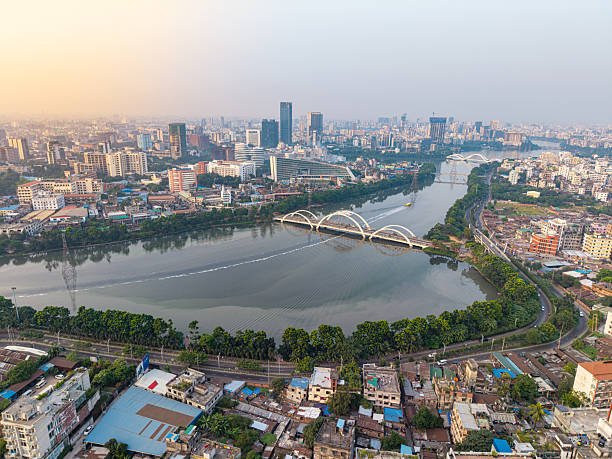
Dhaka can be busy, crowded and full of life but that is also part of its character. Old Dhaka has a good mix of historic buildings, religious sites, markets, river activities and traditional neighborhoods.
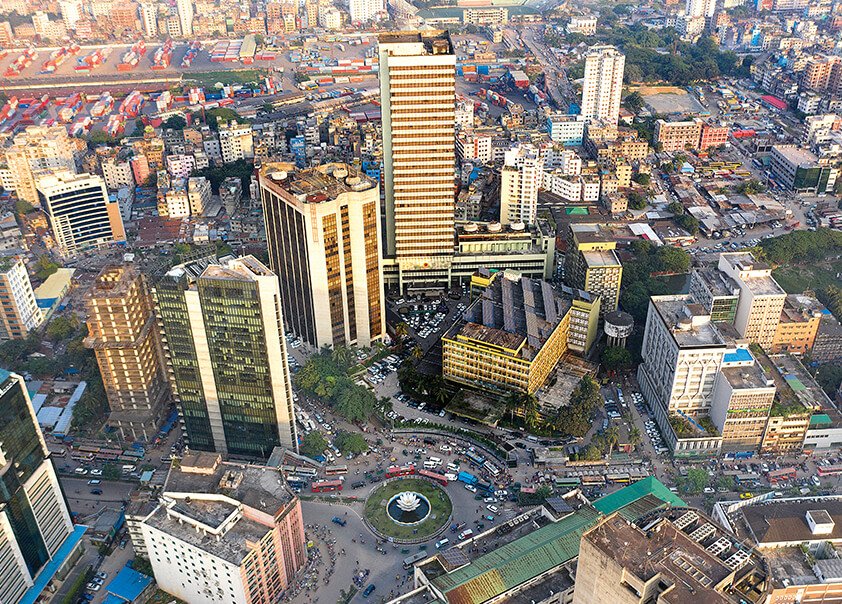
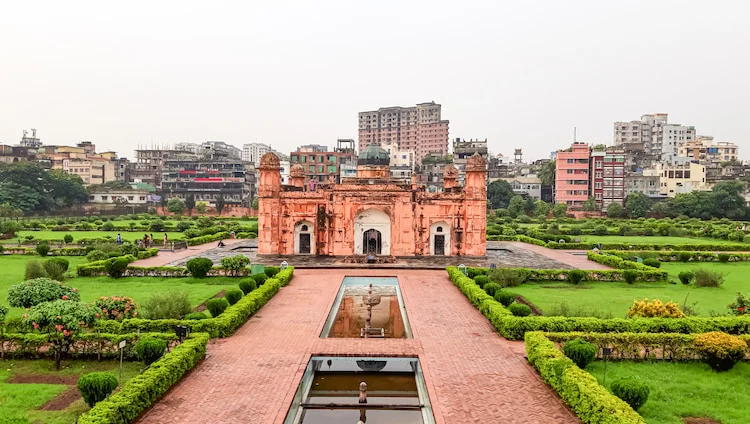
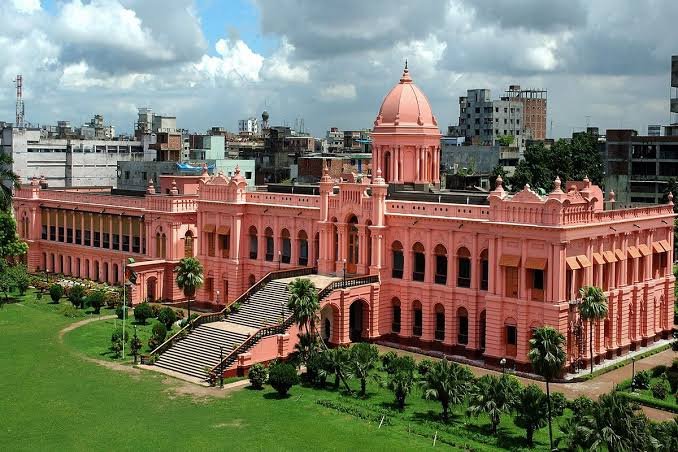
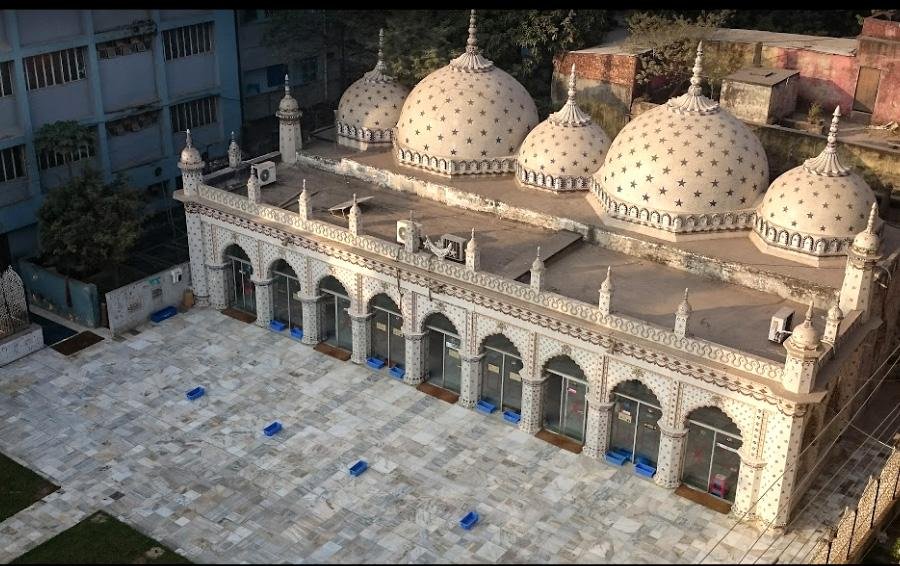
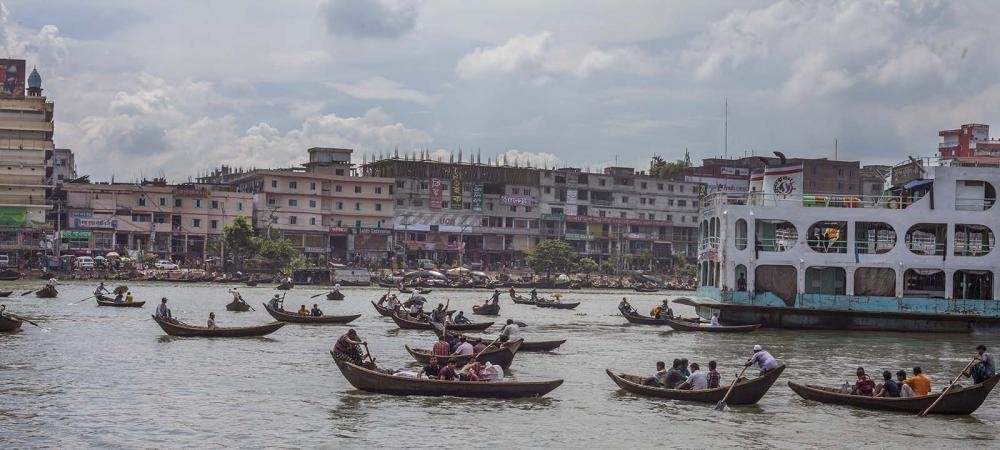
Some places that flash in my mind are Lalbagh Fort, Ahsan Manzil, Star Mosque and Sadarghat.
Lalbagh Fort will take you back to the Mughal past of the city and Ahsan Manzil is another view into Dhaka history. Star Mosque is known for its decorative design, and Sadarghat provides a chance to witness the importance of river transport in daily life.
I guess as a travel writer I would have spent more time walking around, looking at things, soaking up the atmosphere rather than rushing from one attraction to another.
The Other Side of Bangladesh: Chittagong Hill Tracts
If you are a traveler who prefers mountains and outdoor experience then I would look toward the Chittagong Hill Tracts.
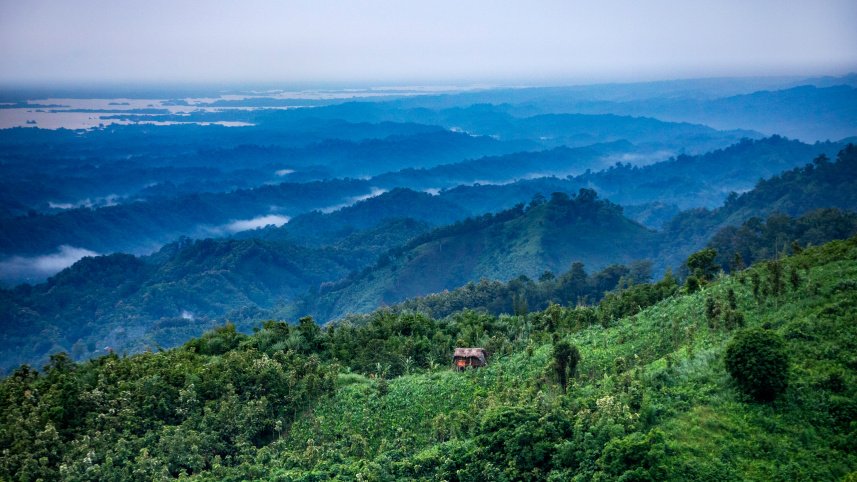
It includes Khagrachhari Bandarban and Rangamati. The hilly country is a very different environment from the mainly flat landscapes of the country.
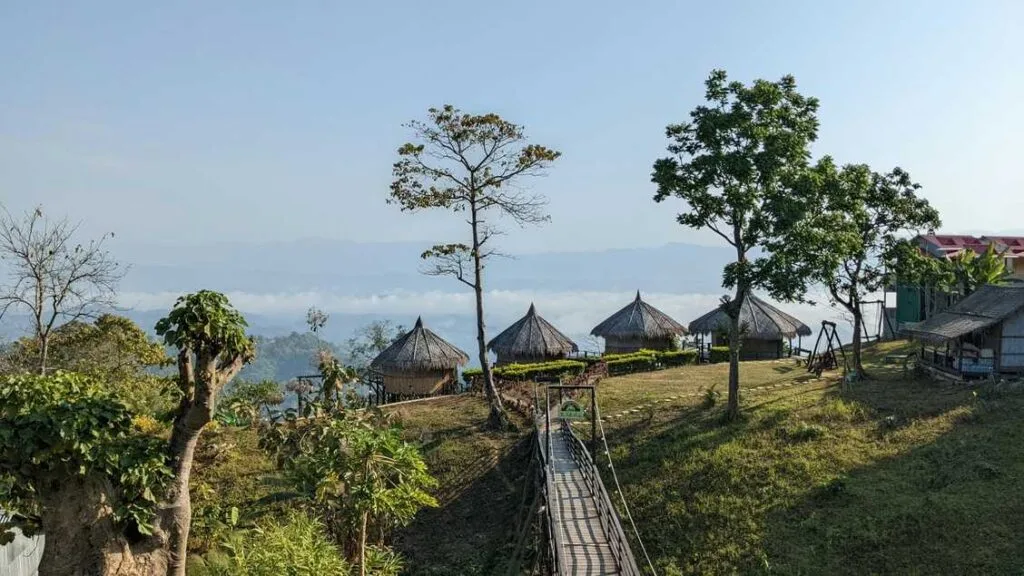
Bandarban is special for visitors who love trekking, waterfalls, forests and mountain views. It is known for Kaptai Lake and its surrounding communities and landscapes unlike Rangamati.
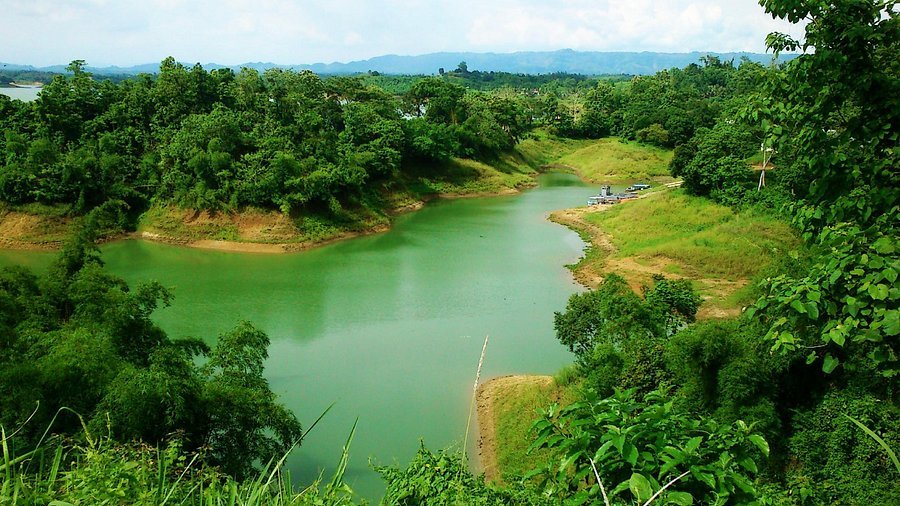
The area is also culturally important because many native communities still follow their own distinctive traditions and ways of life.
Some places have travel restrictions and require permits, so I would make sure to get the necessary permissions and local guidance before going.
Paharpur and Bagerhat: A Matter of History
Bangladesh is much more than beaches and nature. I would also recommend adding some of its major historical sites to a travel itinerary.
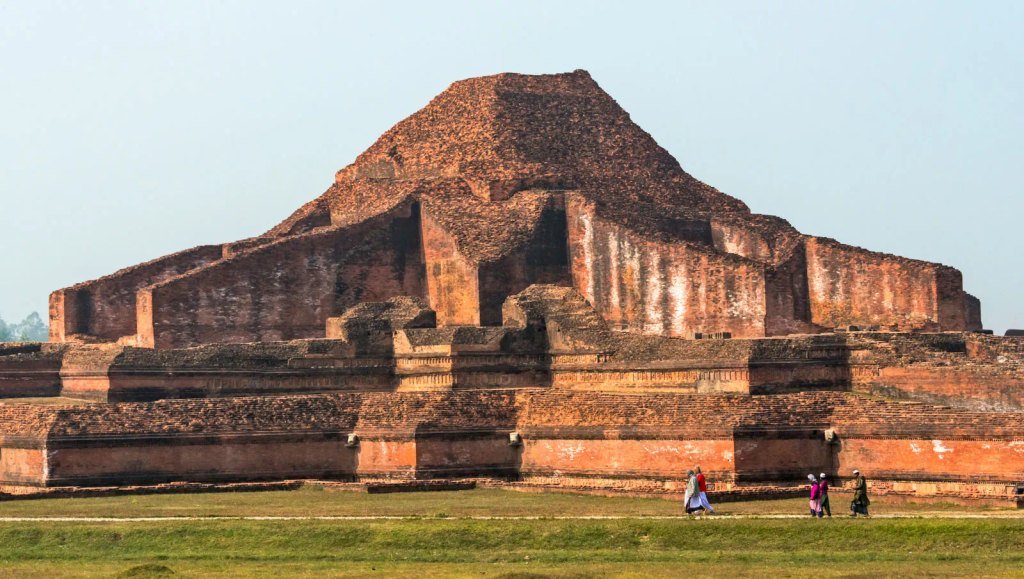
Paharpur is home to the ruins of Somapura Mahavihara, an important Buddhist archeological site of the 8th century. The ruins provide visitors with a view of the Buddhist history and architectural heritage of the region.
Another interesting experience is to wait for visitors in Bagerhat. The Mosque City of Bagerhat is a historical city of medieval Islamic architecture including the famous Sixty Domed Mosque.
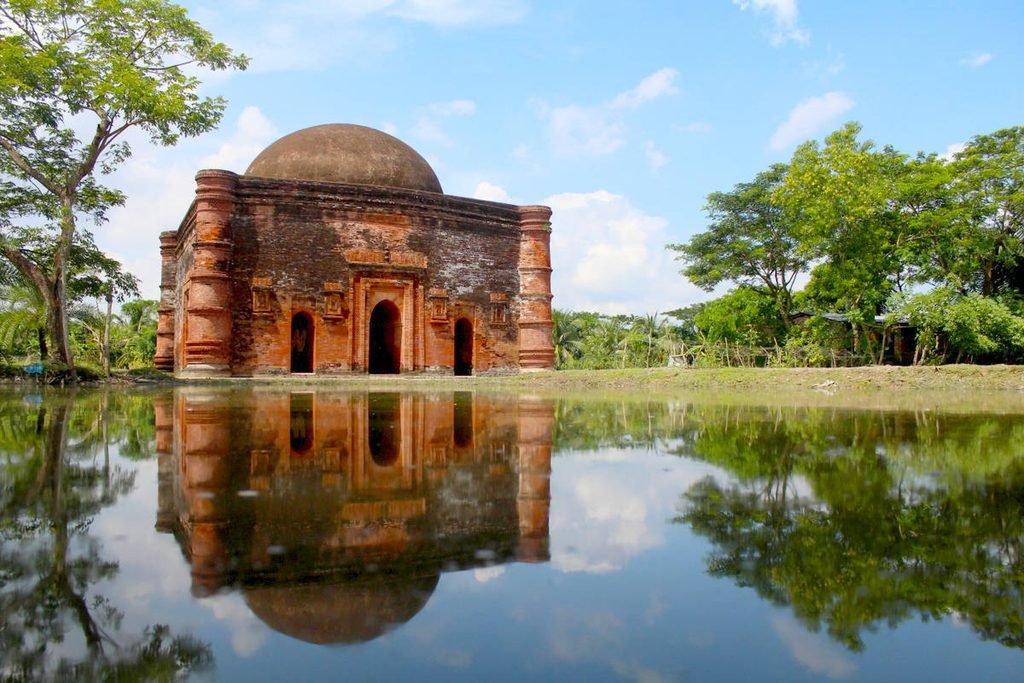
I am especially attracted to these places as they represent the diversity of Bangladesh’s history. A visit here can expose you to Buddhist, Islamic, Mughal and local culture, all in the same country.
Sylhet: Tea Gardens & More Laid-back Atmosphere
When I want to see the slower side of a destination, I usually look for places that are surrounded by nature. One option would be Sylhet, Bangladesh.
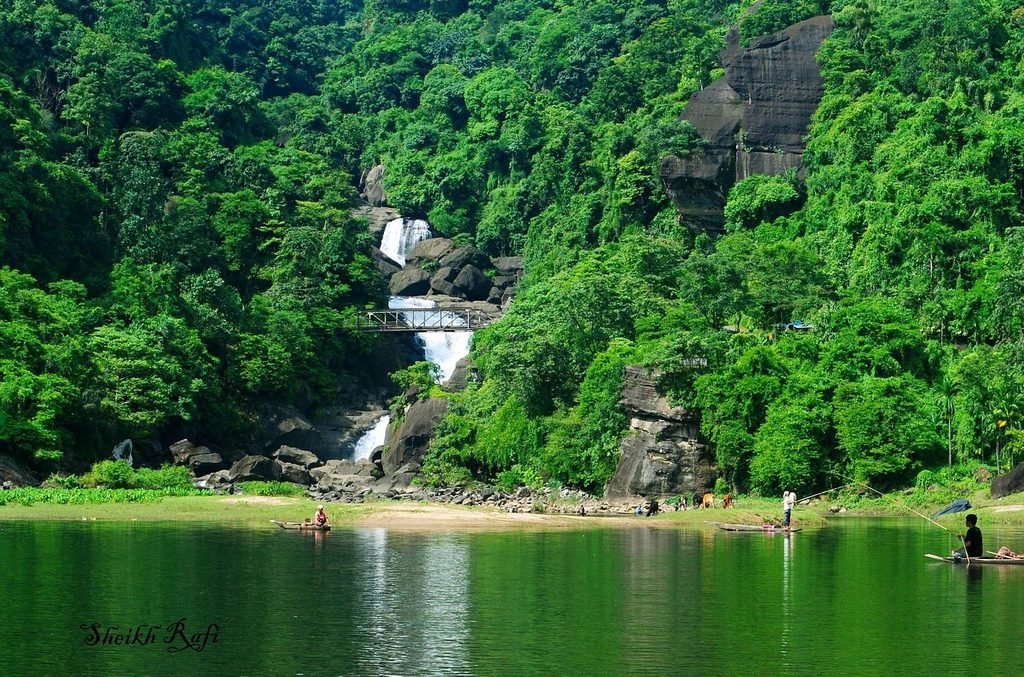
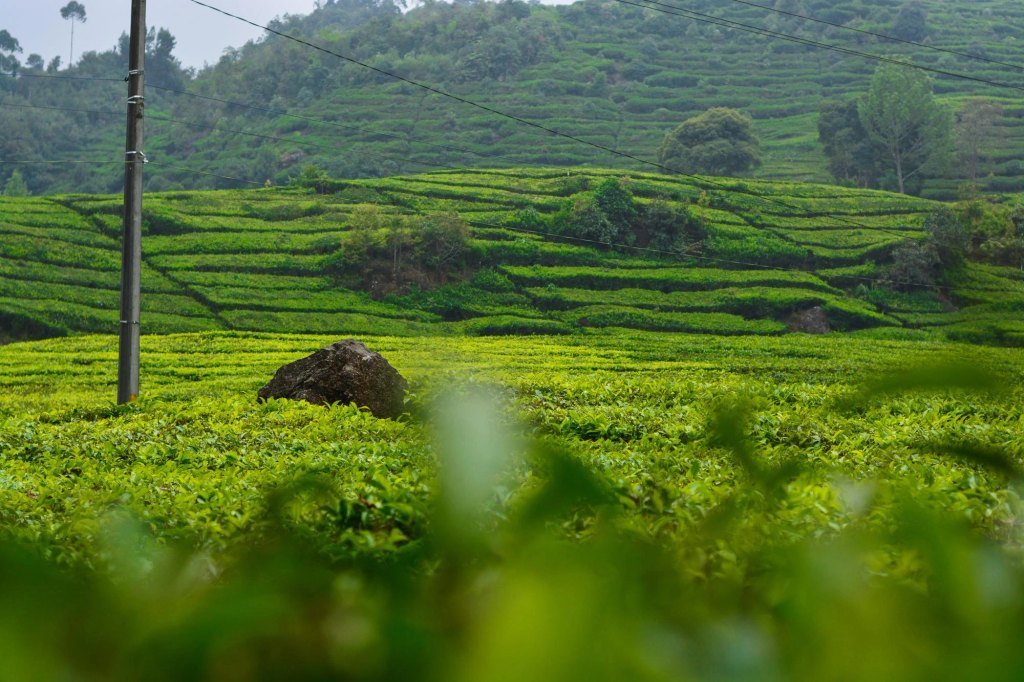
The tea gardens of this region, especially Srimangal and its adjacent areas, are famous. The green hills and the neat tea plantations are some of the country’s most memorable landscapes.
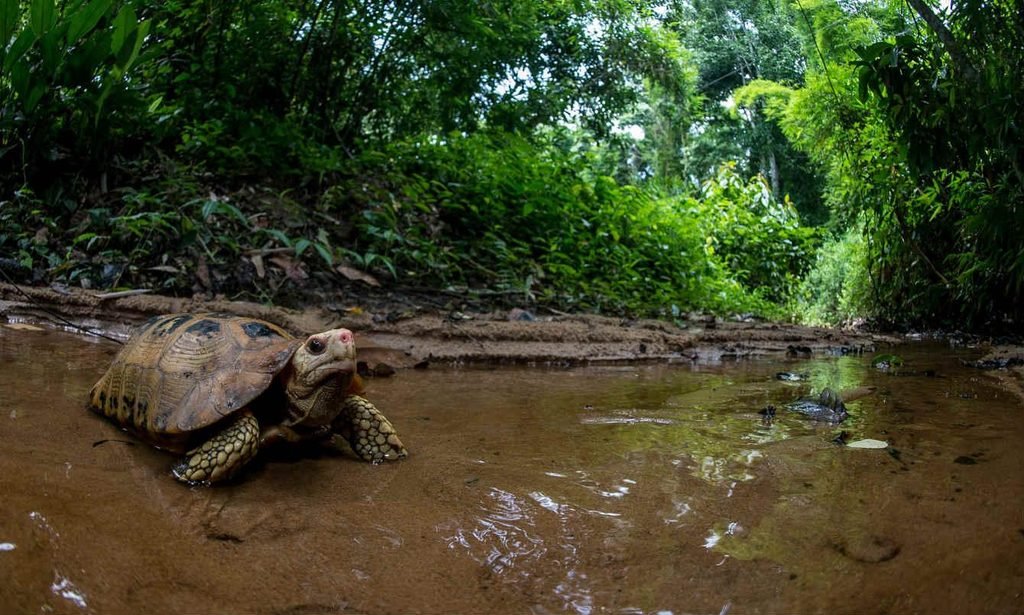
Or visit Lawachara National Park to learn about forest habitats and see wildlife with a local guide.
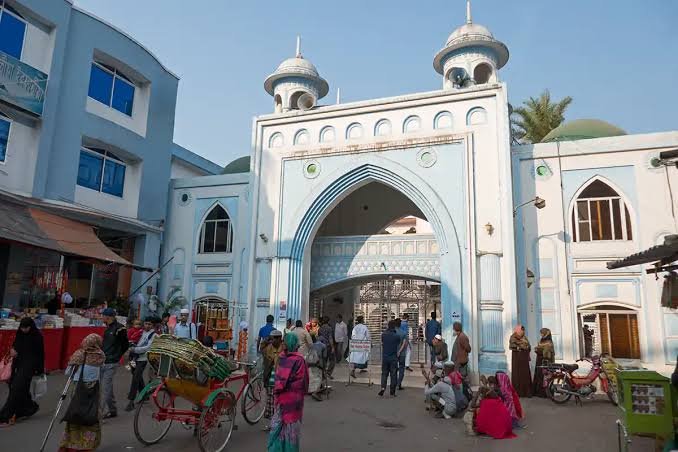
Sylhet also has a deep cultural and religious significance. The shrine of Hazrat Shah Jalal draws many visitors and provides another dimension of the traditions and spiritual life of the area.
Things I’d think about before traveling
Bangladesh can be a rewarding destination but don’t go without some practical considerations in mind.
Dhaka is a city where it can take a lot of time to get around in traffic. Roads and transport can be challenging and patience is needed in more off-the-beaten track areas. Rural destinations may also offer less English speaking services than large cities and popular tourist spots.
Another very important thing to consider is the weather. The ideal time to go is thought to be from October to February. The monsoon season can make travel more difficult in some places.
If I was traveling outside of major cities I would also take some cash as cash can still be important in some rural destinations.
When I visited religious or local communities, I dressed respectfully and always asked permission before taking photographs of people. These simple habits can help make interactions more comfortable and respectful.
Why I Think Bangladesh Is Worth a Visit
As a travel writer, I find Bangladesh interesting because the country has experiences that feel close to everyday life.
It’s more than a tick in the list of famous attractions. Travel includes rivers, markets, villages, boats, tea gardens, old quarters and local community.
If you like places that demand curiosity, patience and a sense of adventure, I would highly recommend Bangladesh. It may not always be the most refined or polished travel experience, but that is also what makes the journey memorable.
Bangladesh is worth a visit for many reasons from the wildlife of the Sundarbans and the coast of Cox’s Bazar to the historic streets of Dhaka, the hills of Bandarban, the heritage of Paharpur and Bagerhat and the tea gardens of Sylhet.
For me, the main draw is the chance to experience a region of South Asia not yet well known to travelers. If I were coming here on a trip, I would give myself time to slow down, to get out there beyond the major attractions, to experience the country through its landscapes, its history, its people.