Living and Traveling in Chiang Mai: An Expat’s Guide to Northern Thailand’s Culture, Food, Nightlife and Best Places to Visit
There is a moment when Chiang Mai stops feeling like a place you are visiting and starts feeling like somewhere you could actually live.
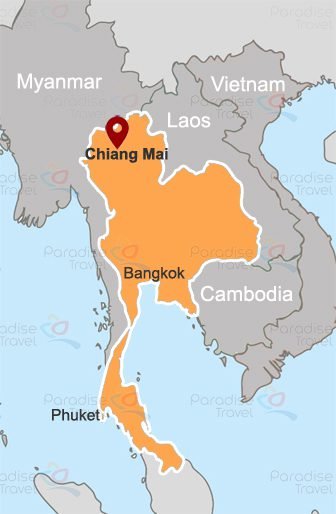
For me, that is what separates Chiang Mai from many of Thailand’s other major destinations. Bangkok has extraordinary energy. Phuket has beaches. The southern islands offer tropical escapes. But Chiang Mai has something quieter and, for many foreigners, more sustainable: mountains on the horizon, centuries-old temples around the corner, excellent food that can still be remarkably affordable, a strong café culture and an international community that has learned to live alongside the traditions of northern Thailand.
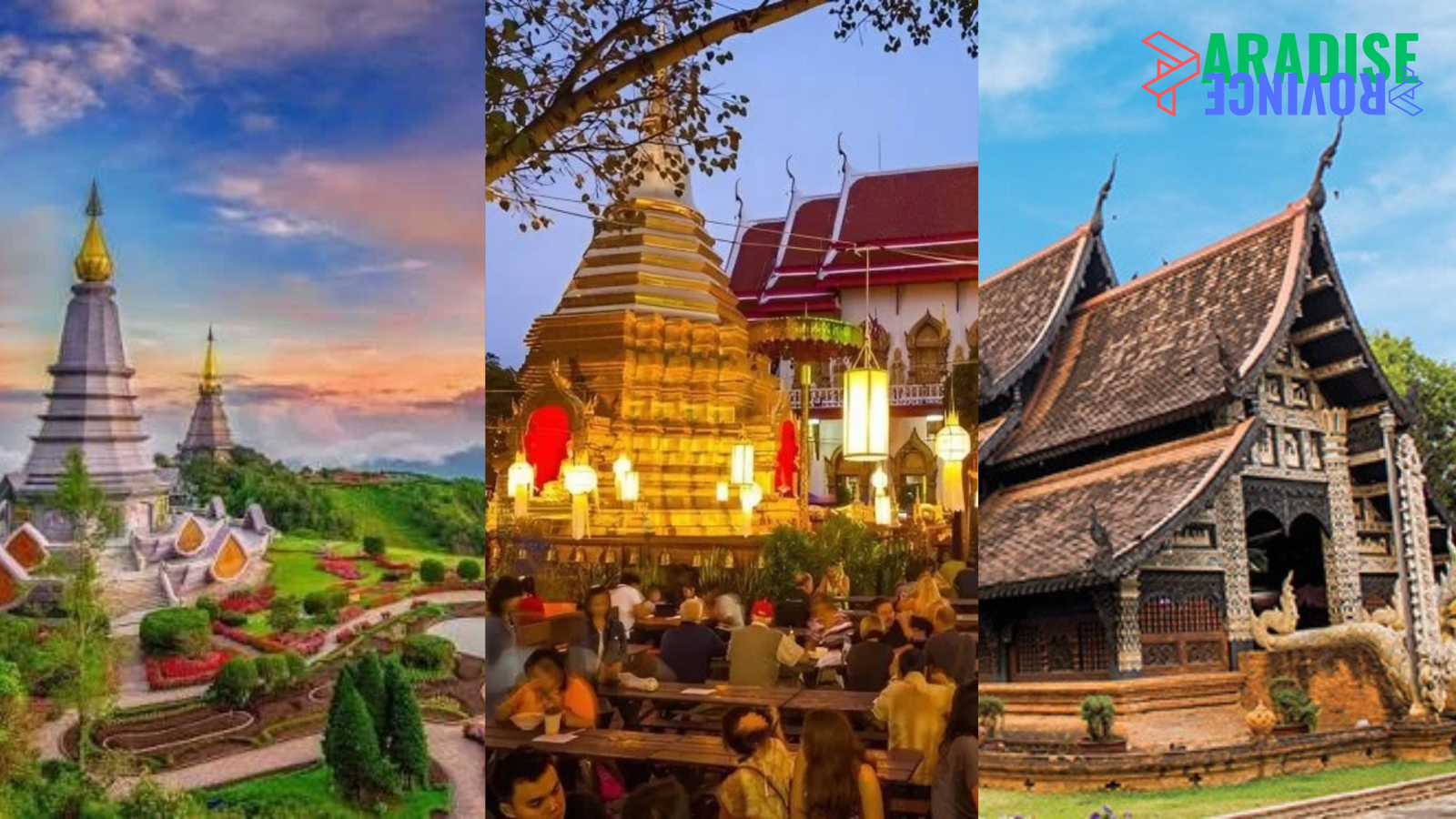
Located in mountainous northern Thailand, Chiang Mai was once the capital of the Lanna Kingdom, and you still feel that heritage throughout the city. The old moat and gates remain. Buddhist temples appear between modern cafés and hotels. Local markets serve recipes that are distinctly northern Thai rather than simply versions of dishes you find in Bangkok.
Then evening comes, and Chiang Mai changes personality again. Night markets open, musicians begin playing, bars fill up around the Old City and Nimman, and food stalls send the smell of grilled pork, herbs and spices into the streets.
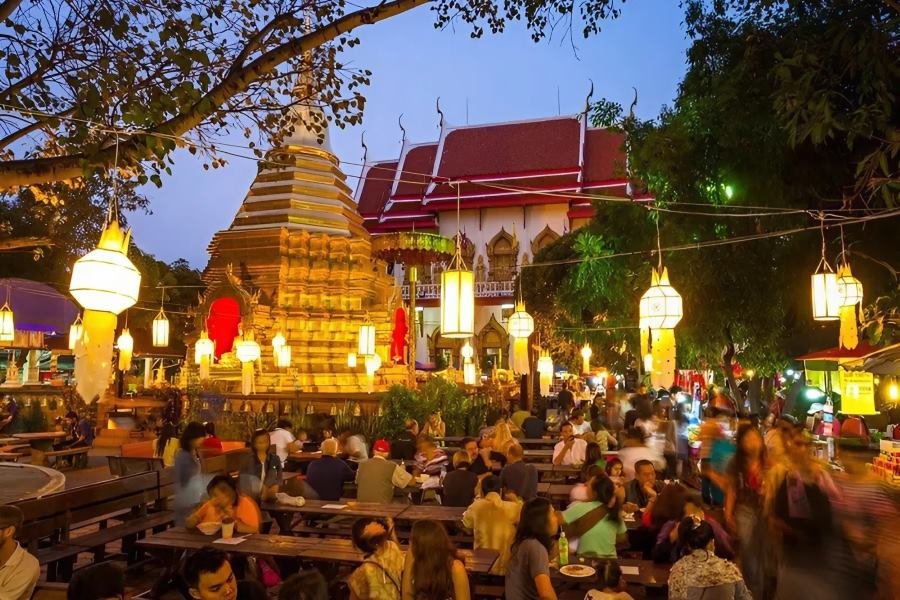
After spending enough time here, I understood why so many expatriates, retirees, remote workers and long-stay travelers arrive for a month and begin wondering whether they should stay for a year.
This is my guide to experiencing Chiang Mai beyond a quick weekend visit.
How to Get to Chiang Mai
Most international travelers enter Thailand through Bangkok.
From Bangkok, there are three practical ways to reach Chiang Mai: fly, take the train or travel by bus.
Flying to Chiang Mai
Flying is the fastest option.
Flights from Bangkok to Chiang Mai generally take around 1 hour and 15 minutes, and Chiang Mai International Airport is unusually convenient because it sits close to the central city.
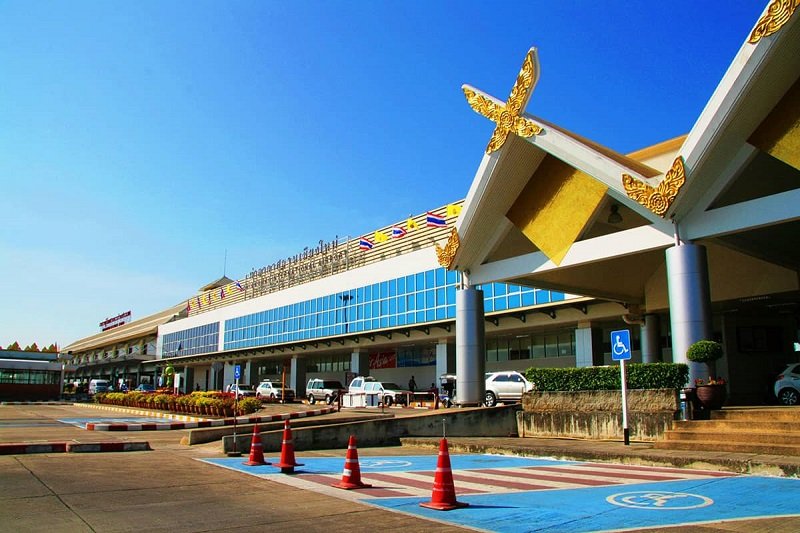
If you arrive internationally through Bangkok, check which airport your connecting flight uses. Bangkok has two major airports—Suvarnabhumi and Don Mueang—and transferring between them can add significant time to your journey.
Chiang Mai also has international connections with a number of Asian cities, although schedules change seasonally.
Taking the overnight train
If you have enough time, the Bangkok–Chiang Mai railway journey is much more memorable.
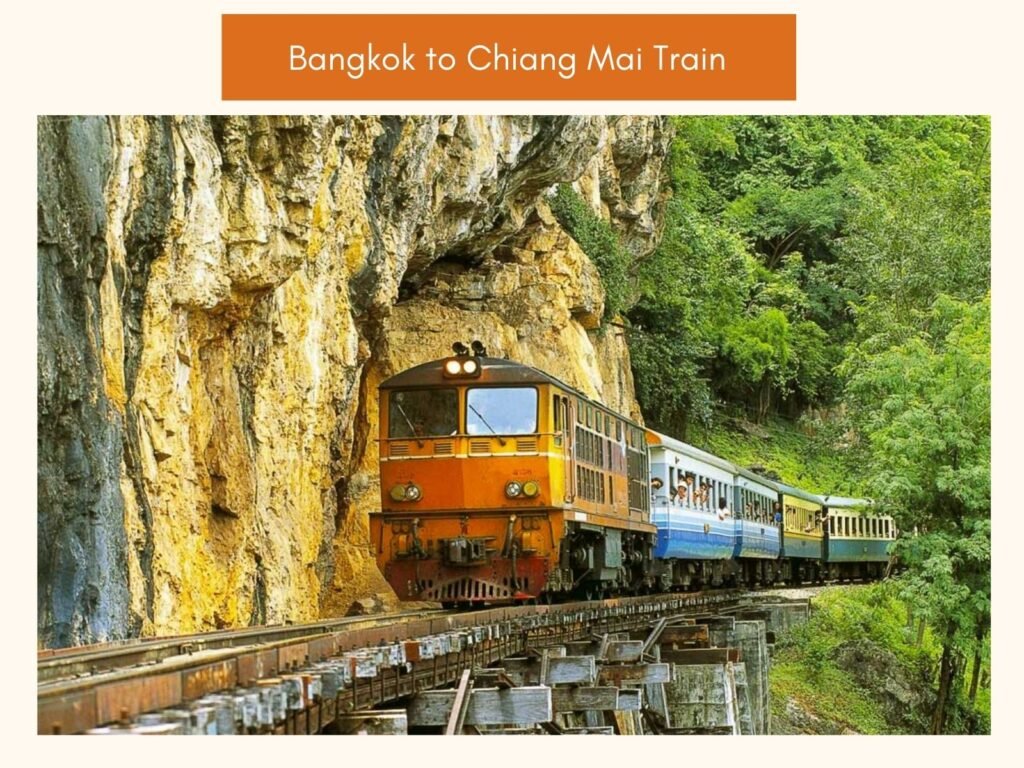
The overnight sleeper lets you leave Bangkok in the evening and wake up in northern Thailand.
It is slower than flying, but that is partly the attraction.
You see rural Thailand gradually replace the enormous urban landscape of Bangkok. For travelers who consider transportation part of the experience rather than simply a way of reaching the destination, I would choose the train at least once.
Traveling by bus
Long-distance buses also connect Bangkok and Chiang Mai.
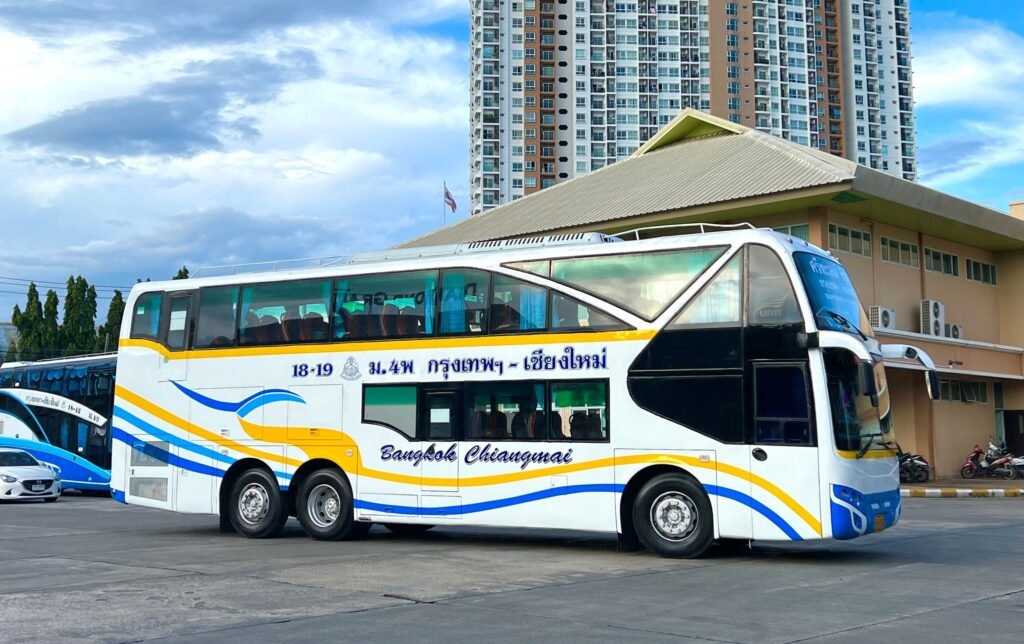
VIP and first-class buses can be surprisingly comfortable and are popular with budget travelers. The journey is long, so I would choose an overnight service or pay extra for a better seat rather than selecting the cheapest possible ticket.
My Top 10 Places to Visit in Chiang Mai
Chiang Mai is not a city where you should spend your entire holiday checking attractions off a list. Some of my favourite experiences are simply walking through markets, drinking coffee or driving into the mountains.
Still, there are places I would recommend to almost every first-time visitor.
1. Wat Phra That Doi Suthep
If you visit only one temple outside the centre, make it Doi Suthep.
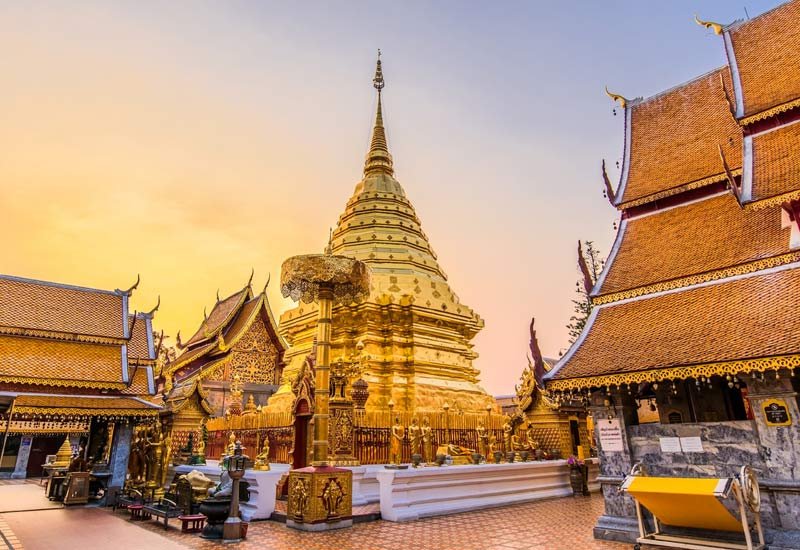
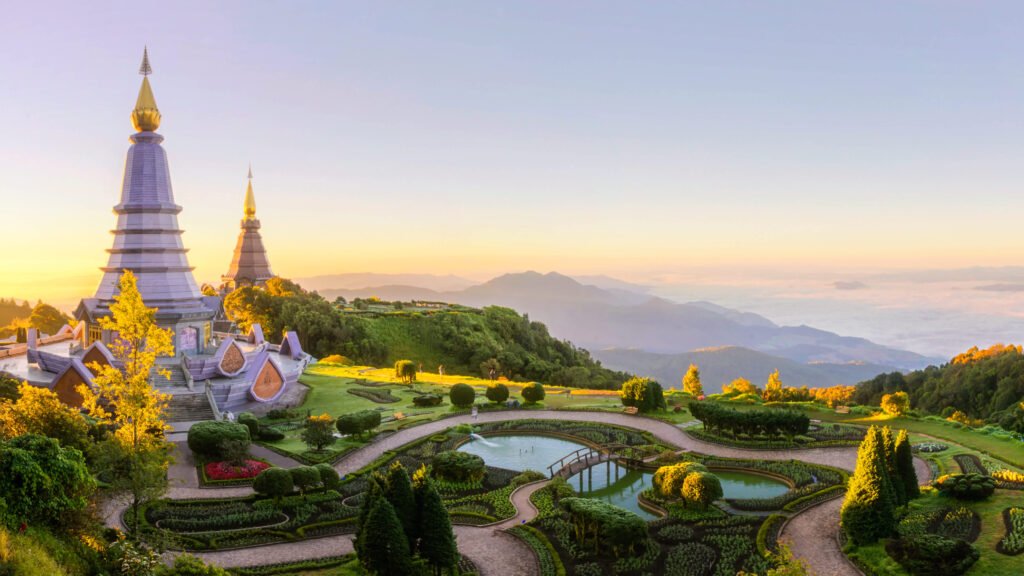
The temple sits on the mountain overlooking Chiang Mai, and the journey uphill is part of the experience. Once you arrive, a long staircase leads toward the golden chedi and temple complex.
Beyond its beauty, Doi Suthep is an important religious site. This is something visitors should remember when taking photographs or entering temple buildings.
Dress respectfully, cover your shoulders and knees, remove your shoes where required and avoid treating worshippers as tourist attractions.
The reward is one of the defining Chiang Mai experiences: Buddhist architecture, mountain air and views extending across the city below.
2. Wat Chedi Luang
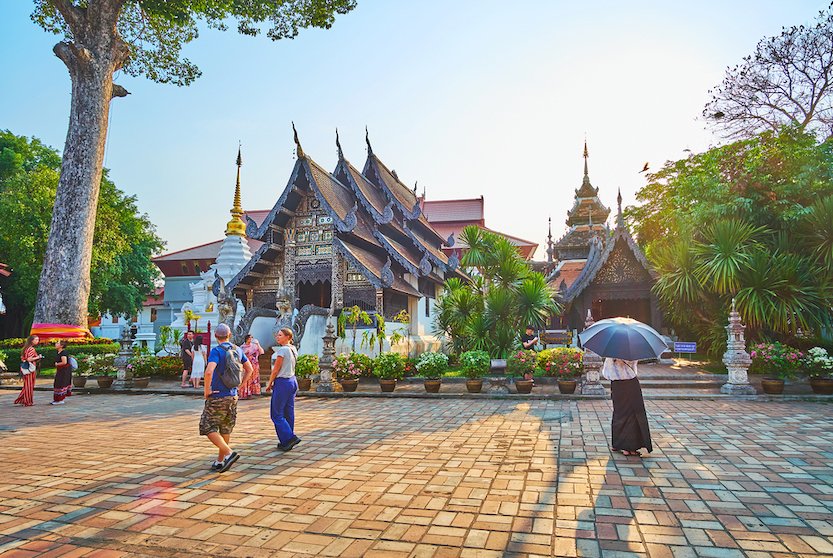
In the heart of the Old City, Wat Chedi Luang feels completely different from Doi Suthep.
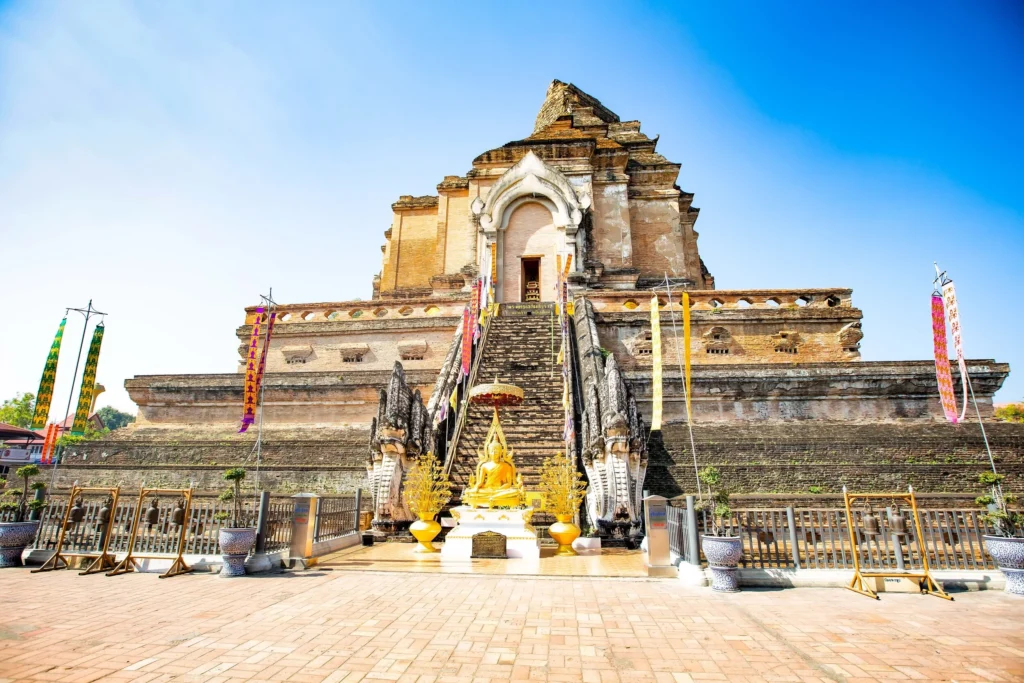
Its enormous historic chedi immediately tells you that Chiang Mai existed long before cafés, coworking spaces and digital nomads arrived.
I recommend visiting the Old City temples slowly rather than trying to photograph five in an hour. Sit down. Watch what local worshippers do. Read about the temple’s history.
Chiang Mai becomes much more interesting once you understand that its temples are living religious places rather than museum pieces.
3. Doi Inthanon National Park
Doi Inthanon is an excellent day trip for anyone wanting to escape the city.
Thailand’s highest mountain is located within Doi Inthanon National Park, where visitors can experience waterfalls, forest trails, viewpoints and much cooler temperatures than in central Chiang Mai.
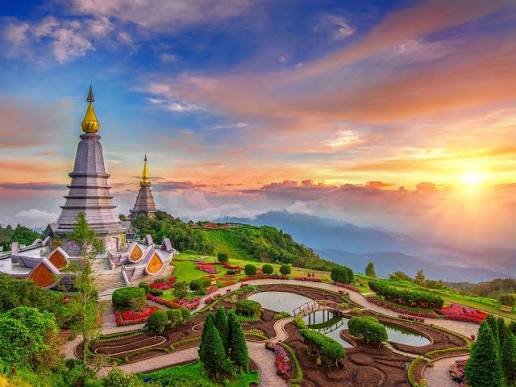
I would leave early and dedicate most of the day to the journey.
This is also one of the occasions when renting a car can make sense, particularly for a small group, although organised tours are easier if you are uncomfortable driving in Thailand.
4. Chiang Mai Old City
The Old City is surrounded by a moat and remnants of the historic defensive walls.
This is where I tell first-time visitors to begin.
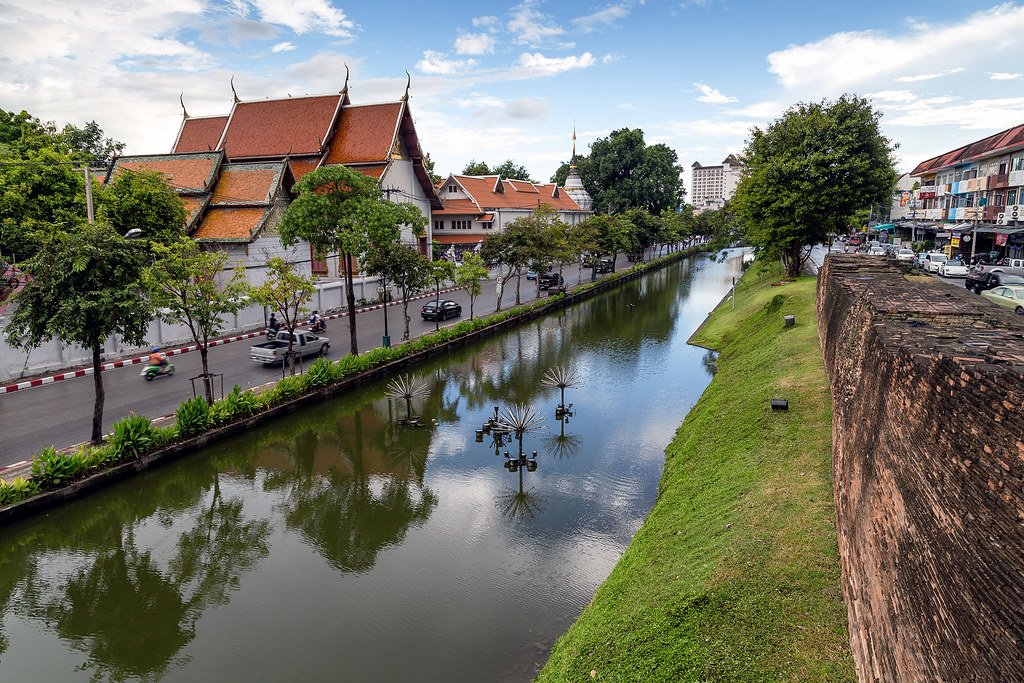
Walk rather than drive.
You will encounter temples, cafés, inexpensive restaurants, massage shops, guesthouses and quiet side streets that you would miss from a taxi.
The area around Tha Phae Gate becomes particularly lively during festivals and major events.
5. Sunday Walking Street
Sunday evening transforms Rachadamnoen Road into one of Chiang Mai’s most enjoyable walking markets.
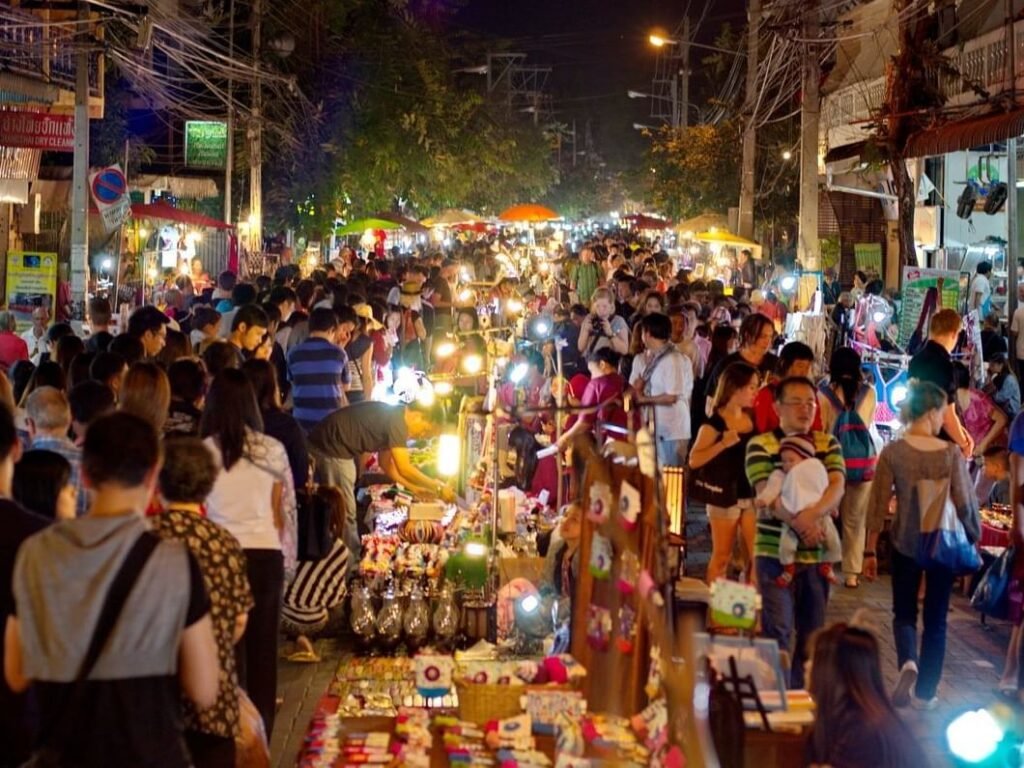
Come hungry.
There are handicrafts, artwork, clothing, souvenirs and an enormous amount of food. Instead of eating a full restaurant meal beforehand, I prefer buying several small dishes while walking.
The market is also an excellent introduction to the creative side of Chiang Mai.
6. Chiang Mai Night Bazaar
The Night Bazaar is another classic evening destination.
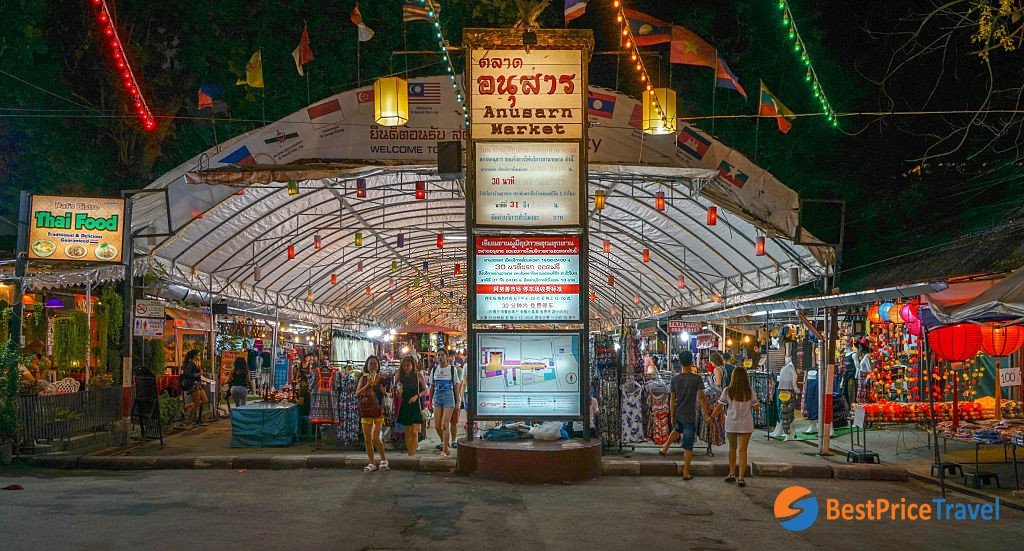
It has become highly tourist-oriented, but that does not mean you should skip it. Think of it as part shopping area, part food destination and part evening entertainment district.
Nearby Kalare Night Bazaar adds more food and shopping options.
You can easily spend an entire evening in this part of town without entering a nightclub.
7. Wat Lok Moli
Wat Lok Moli is another temple I enjoy recommending because it can feel calmer than some of Chiang Mai’s headline attractions.
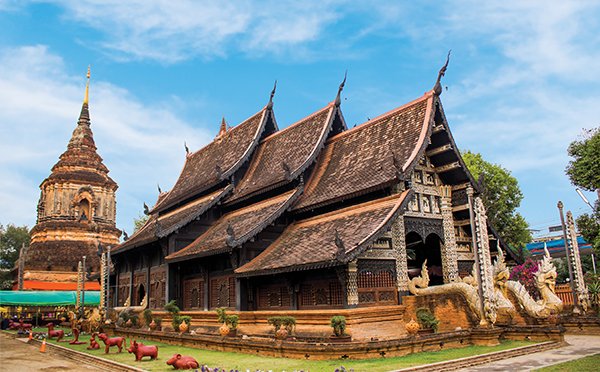
Its traditional wooden architecture and large chedi provide another glimpse into northern Thai Buddhist culture.
8. Mae Rim
Head north from Chiang Mai and the urban landscape begins disappearing.
Mae Rim is surrounded by mountains and countryside and provides access to gardens, waterfalls, cafés and other attractions.
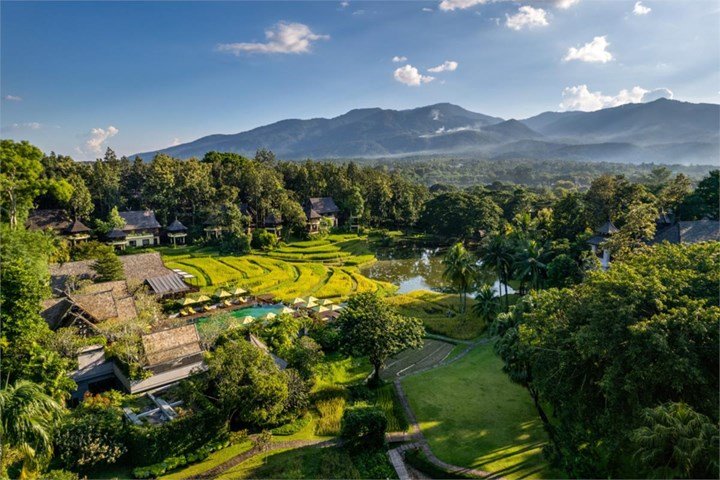
It is an excellent area to explore with your own transportation.
Rather than rushing between attractions, I prefer choosing two or three places and allowing time for an unplanned lunch or coffee stop.
9. Bua Tong “Sticky” Waterfalls
The Bua Tong waterfalls are famous because mineral deposits create a textured surface that allows visitors to climb sections of the cascading water.
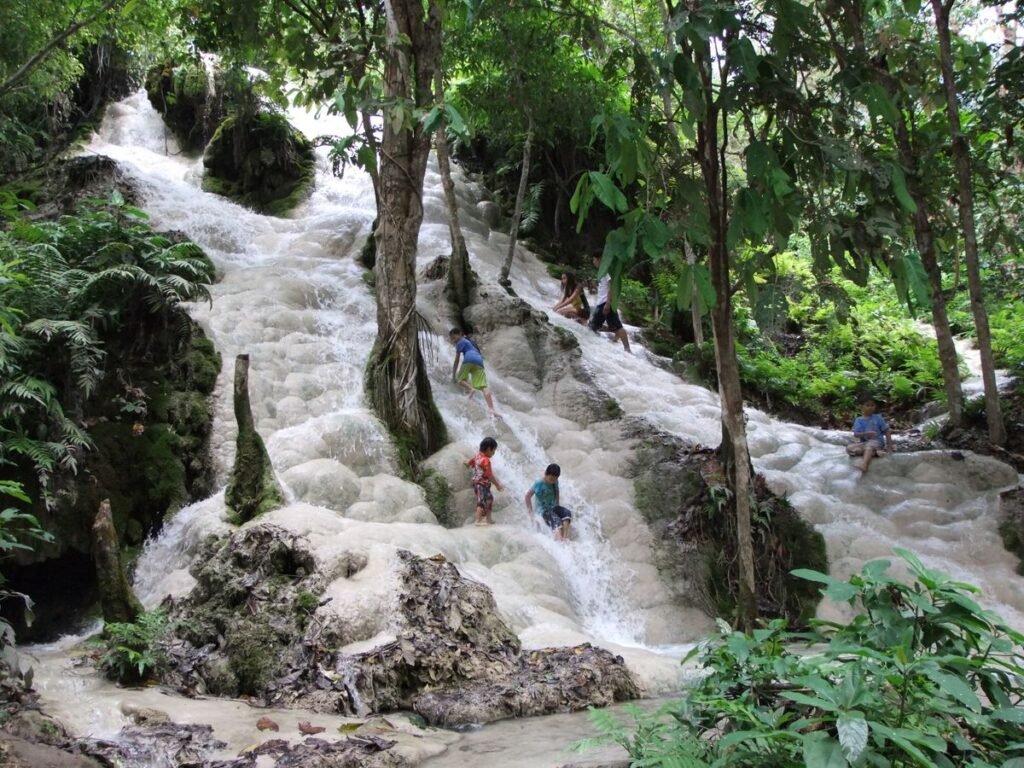
It is one of the more unusual nature trips from Chiang Mai and particularly enjoyable when traveling with friends.
Wear clothing and footwear suitable for getting wet and remember that natural attractions deserve the same respect as temples—take your rubbish away and follow local restrictions.
10. Chiang Mai’s Markets
Some travelers want one specific market. I think the better experience is visiting several.
For a more local evening, try Chang Phuak Market.
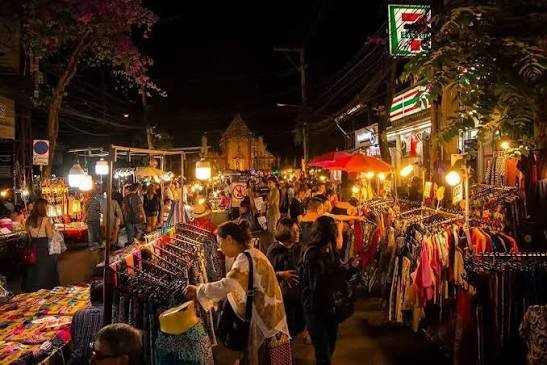
Around the university, Kad Na Mor Market attracts a younger local crowd and can be an excellent place to find affordable food, clothing and snacks.
Markets taught me more about everyday Chiang Mai than many formal attractions did.
Five Foods You Should Eat in Chiang Mai
Northern Thai cuisine, or Lanna cuisine, deserves to be treated as one of the main reasons for visiting.
Tourism Authority of Thailand material identifies dishes including khao soi, nam phrik ong and nam phrik num as characteristic foods of northern Thailand.
1. Khao Soi
If Chiang Mai had one signature dish, this would be it.
Khao soi combines noodles with a rich curry broth, commonly served with chicken or beef, and topped with crispy noodles.
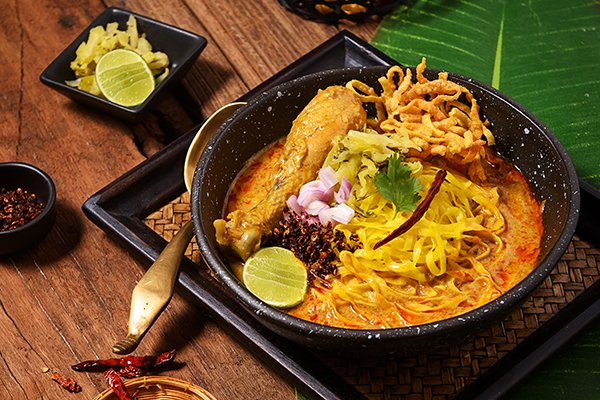
Pickled mustard greens, shallots, lime and chilli allow you to adjust the flavour yourself.
I have learned not to judge khao soi by the restaurant’s appearance. Some of the bowls I would return for are served in very simple local establishments.
2. Sai Ua
Sai ua is northern Thai sausage filled with herbs and spices.
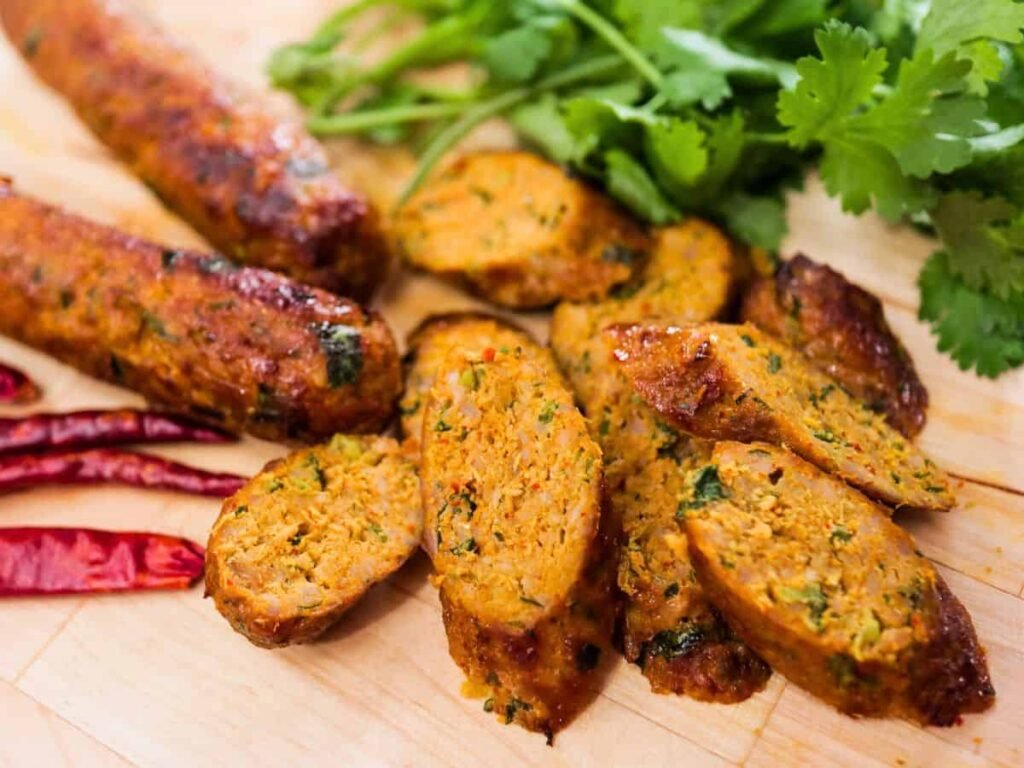
You will smell it cooking at markets before you see it.
Lemongrass, kaffir lime leaves, chilli and other aromatics give it far more character than an ordinary grilled sausage.
Buy a small portion at a market and eat it while walking.
3. Nam Phrik Ong
This northern chilli dip typically combines minced pork and tomato with chilli and seasonings.
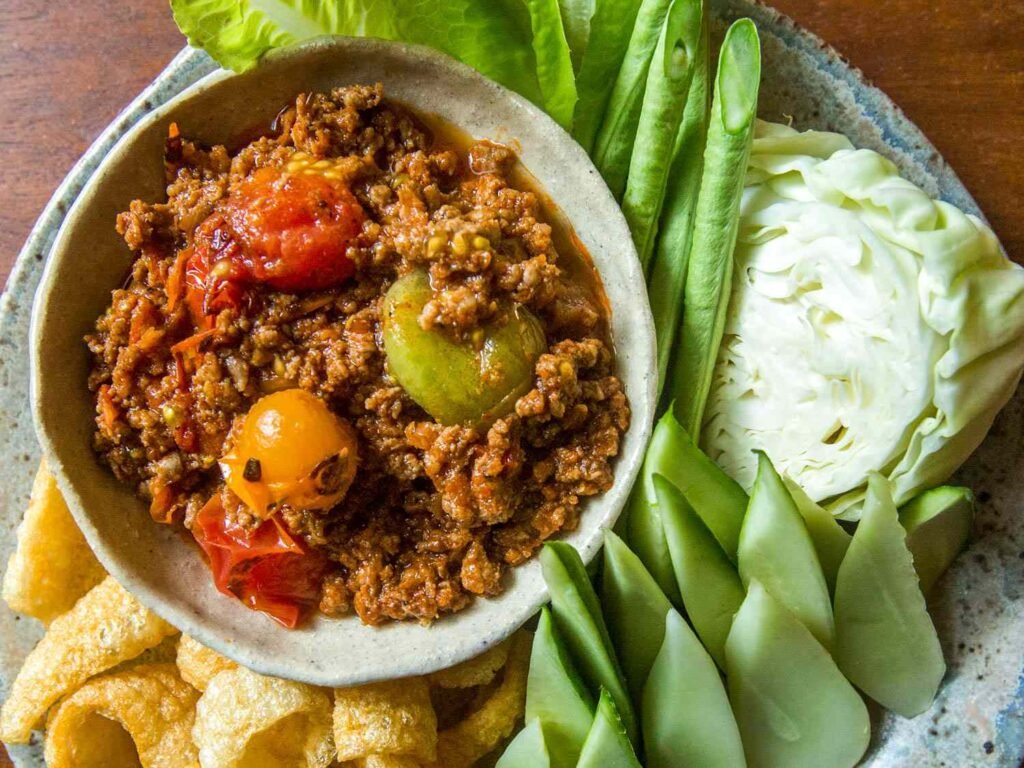
It is commonly eaten with vegetables and sometimes crispy pork skin.
It is one of those dishes that makes much more sense when eaten as part of a shared northern Thai meal.
4. Nam Phrik Num
Nam phrik num is another northern-style chilli dip, typically made using roasted green chillies.
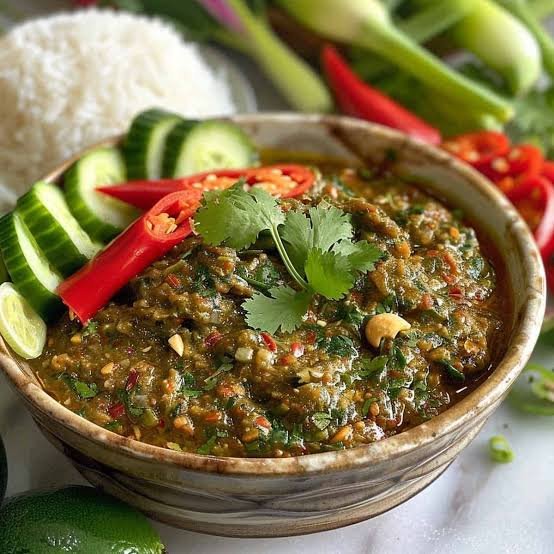
It has a smoky flavour and pairs particularly well with vegetables, pork crackling and sticky rice.
5. Gaeng Hang Lay
This slow-cooked curry demonstrates how northern Thai cuisine differs from the coconut-heavy curries many foreign visitors associate with Thailand.
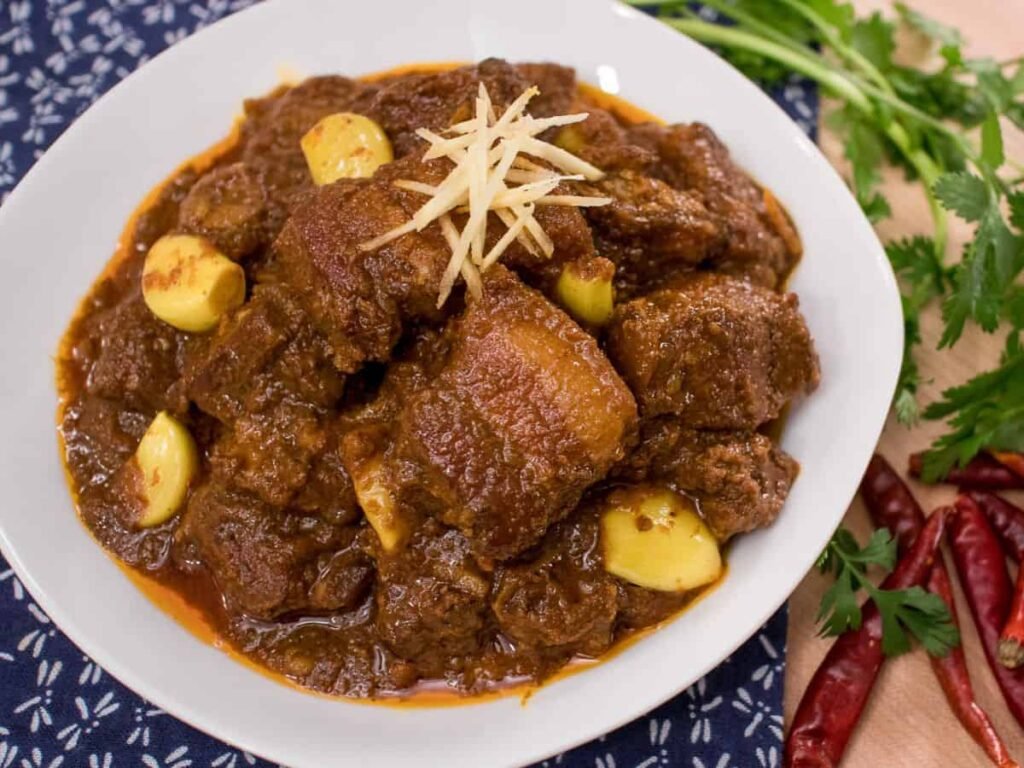
Pork is common, with ginger, tamarind and spices creating a rich sweet-sour flavour.
How Much Does Food Cost?
Chiang Mai can still be remarkably affordable if you eat the way locals eat.
Exact prices change, and tourist districts naturally charge more, but a simple local meal or market dish can often be found in roughly the 50–100 baht range, while cafés and tourist-oriented restaurants can easily cost several times that.
Western food is where I notice budgets expanding.
A day consisting of an imported-style breakfast, specialty coffee, Western lunch and cocktails can cost dramatically more than eating Thai food.
How I would save money on food
I would not recommend trying to save by eating instant noodles every day. Chiang Mai’s inexpensive local food is one of the pleasures of living here.
Instead:
Eat breakfast at local shops.
Use markets for dinner several nights per week.
Look for restaurants a few streets away from major tourist attractions.
Try university neighbourhoods, where businesses cater to Thai student budgets.
Buy fruit from local markets.
Keep expensive international restaurants as occasional treats.
Most importantly, eat northern Thai food. It is both part of the travel experience and usually one of the easiest ways to control your budget.
Chiang Mai Culture: Understanding Lanna Identity
Chiang Mai is culturally different from Bangkok and southern Thailand.
The historical Lanna Kingdom shaped the region’s architecture, language, cuisine, crafts and religious traditions.
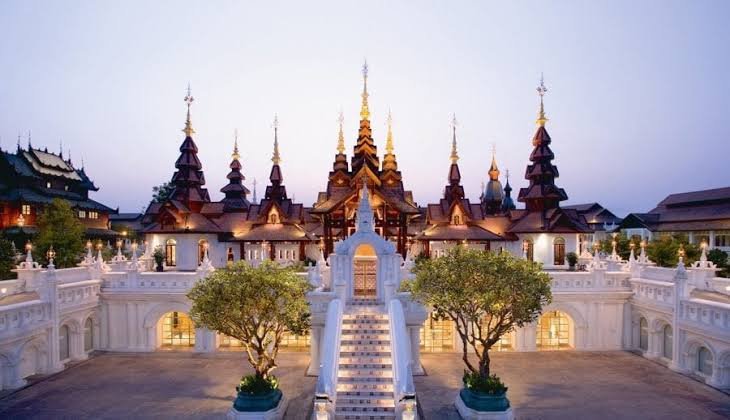
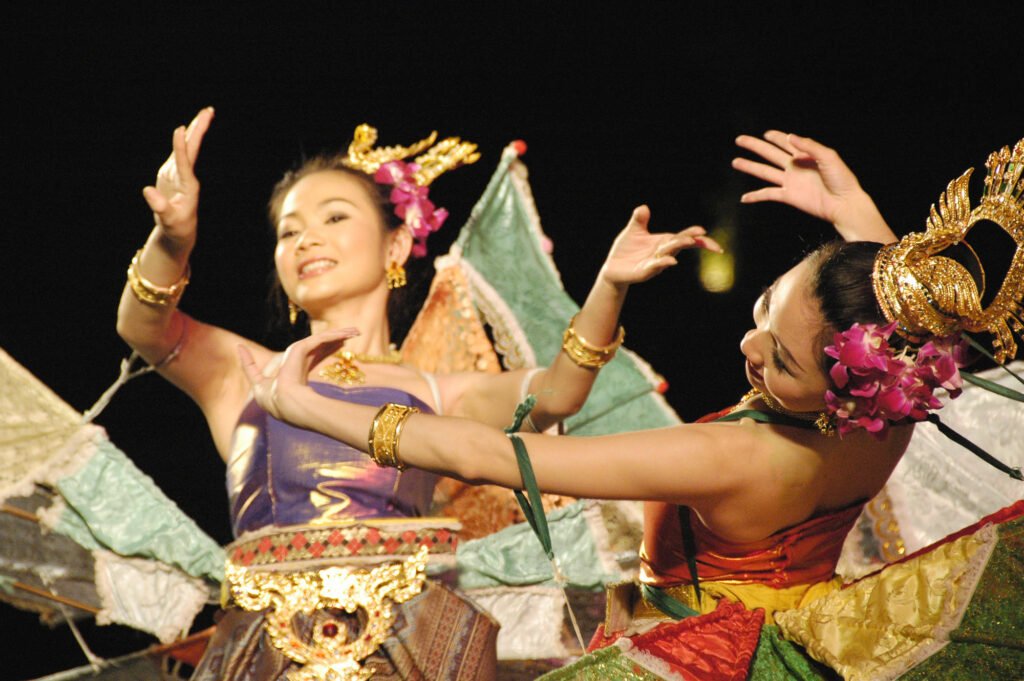
You see Lanna influence in wooden buildings, temple architecture, textiles, umbrellas, silverwork and food.
Buddhism is deeply integrated into everyday life.
Monks collecting alms in the morning are not performing for tourists. Temple ceremonies are not shows. Visitors should dress appropriately and behave quietly.
Thai social customs also emphasise respect.
Avoid touching someone’s head. Do not point your feet toward Buddha images or people. Remove shoes when requested. Public anger and confrontation generally accomplish very little.
Two particularly memorable times to experience Chiang Mai are Songkran, the Thai New Year festival in April, and Yi Peng/Loy Krathong, when lanterns and traditional celebrations transform the city.
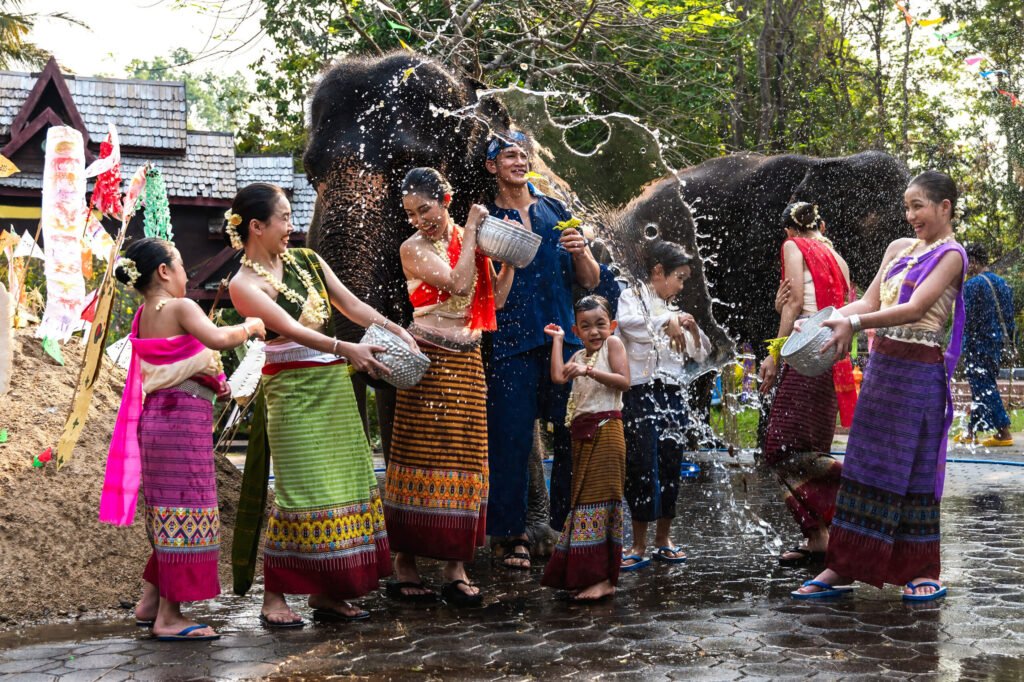
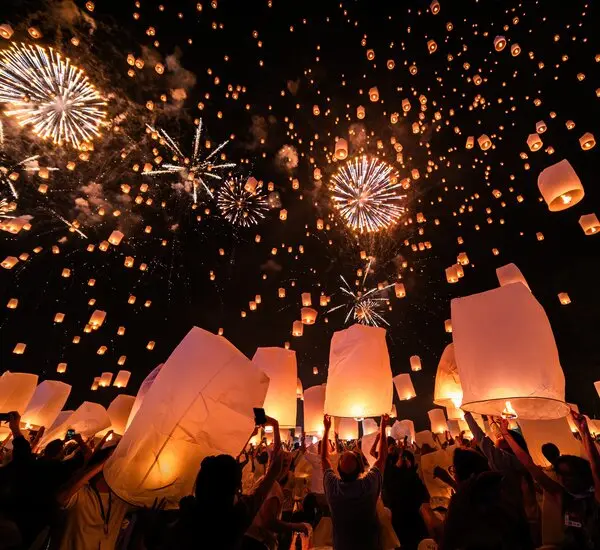
These periods can also be extremely busy, so book accommodation well in advance.
Why Are There So Many Expats in Chiang Mai?
This question becomes easy to answer after living here for a while.
Chiang Mai offers an unusual balance.
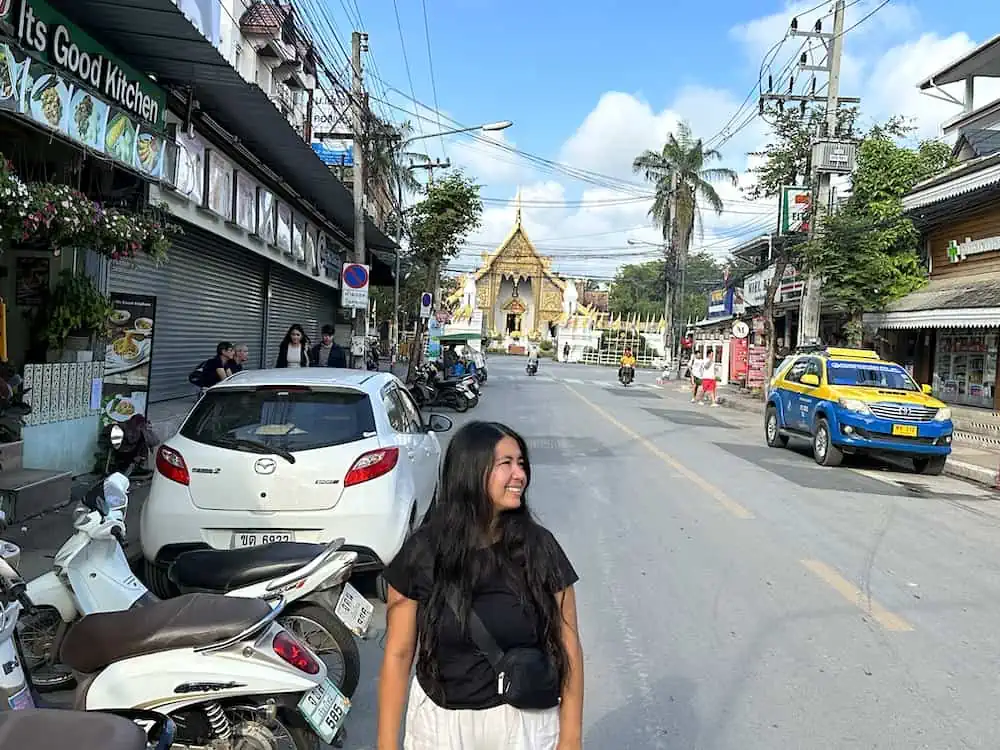
It is large enough to provide modern conveniences but small enough that life rarely feels as overwhelming as Bangkok.
Housing can be relatively affordable.
Food is excellent.
Internet connectivity supports remote work.
There are cafés everywhere.
Mountains and nature are close.
There is a major airport.
International communities already exist.
English is reasonably common in tourism-oriented areas.
And perhaps most importantly, it is possible to establish a comfortable daily routine without spending at the level required in many major Western cities.
Nimman has become particularly popular among younger expats and remote workers because cafés, restaurants, condominiums and coworking-oriented businesses are concentrated within a relatively compact neighbourhood.
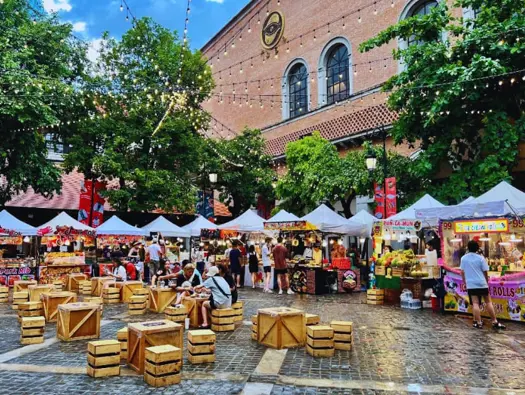
Long-term residents should remember, however, that living somewhere is different from vacationing there. Visa rules matter, seasonal air pollution can significantly affect quality of life, and being surrounded exclusively by other foreigners can prevent you from experiencing much of Thai culture.
The expats who seem happiest here are usually the ones who build a life in Chiang Mai, rather than trying to recreate their home country inside Chiang Mai.
Transportation: How Do You Get Around Chiang Mai?
Chiang Mai has several practical options.
Songthaews
The iconic red songthaews are shared pickup-style taxis.
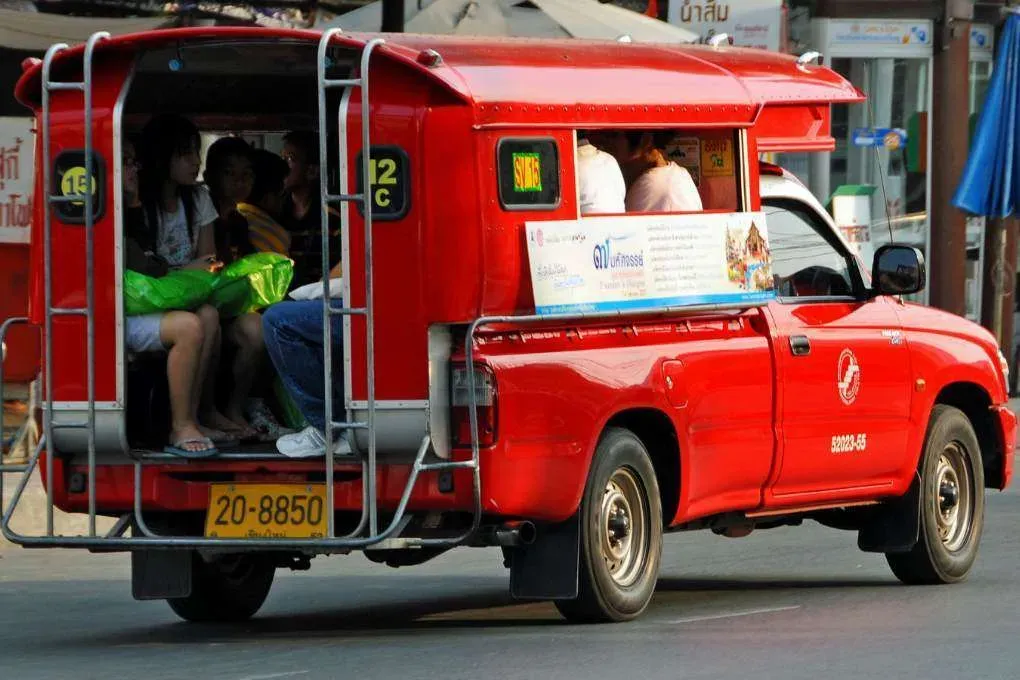
You tell the driver where you want to go, confirm the fare and climb into the back.
They are part transportation and part Chiang Mai experience.
Tuk-tuks
Tuk-tuks are convenient for short trips, especially around tourist areas.
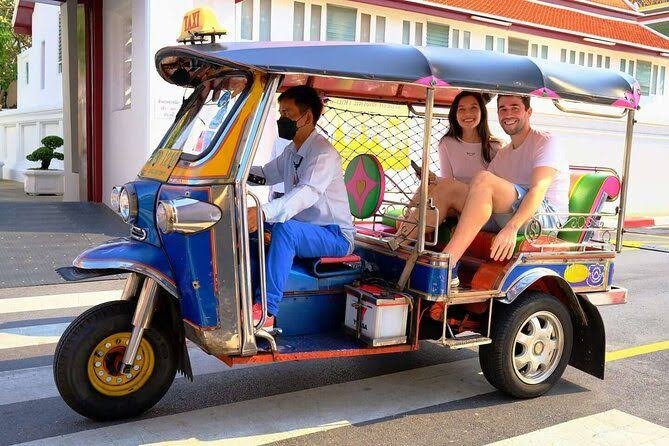
Agree on the price before leaving if a fixed fare is being negotiated.
Ride-hailing
App-based transport has made Chiang Mai much easier for visitors because you can see an estimated fare and destination without negotiating everything verbally.
Renting a scooter
Scooters provide enormous freedom.
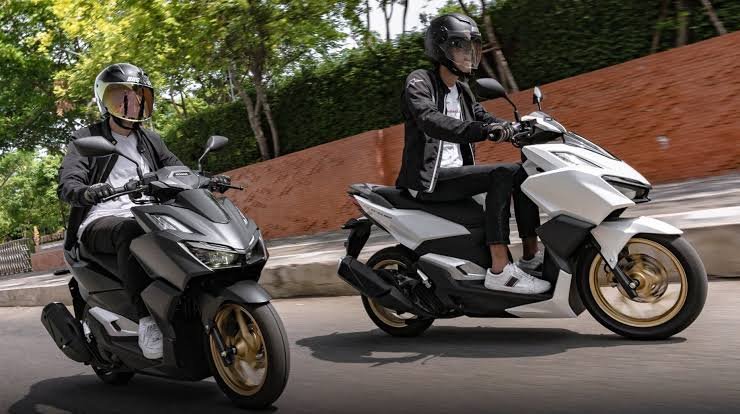
They also create enormous risk for inexperienced riders.
Do not learn to ride a motorcycle in Chiang Mai traffic simply because renting one is easy.
Thailand recognises qualifying international driving permits and ASEAN driving licences under applicable rules. Travelers need a licence legally valid for the class of vehicle they are driving.
Wear a proper helmet and make sure your travel insurance covers motorcycle use.
Renting a car
A car makes sense for trips to mountains, national parks and destinations outside central Chiang Mai.
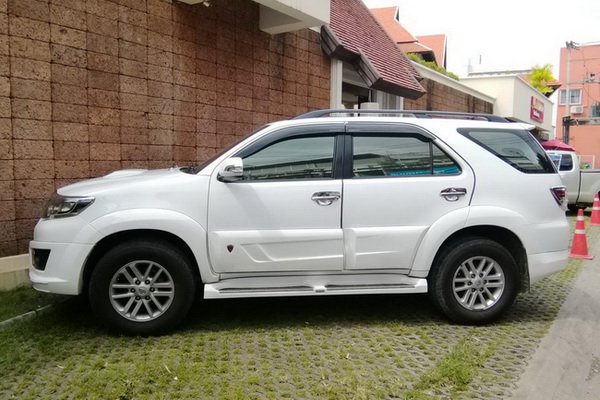
Inside the Old City and Nimman, parking and traffic can make a car less convenient.
Rent or Buy a Vehicle for a Long Stay?
For a stay of several weeks or a few months, I would normally rent.
You avoid registration, resale, maintenance and paperwork.
For someone genuinely relocating for years, buying may eventually make financial sense.
A used motorcycle can be considerably cheaper than repeatedly paying long-term rental rates, while a car becomes useful for families or people living outside the central city.
But calculate the total cost, not merely the purchase price.
Registration, insurance, maintenance, tyres, repairs and eventual resale all matter.
Foreign residents should also confirm current Department of Land Transport documentation requirements before purchasing and registering a vehicle. Do not assume that being able to pay for a motorcycle means you automatically have all documentation required to register and legally drive it.
Can Foreigners Buy a House or Land in Chiang Mai?
This is one area where expats should never rely on something they heard from another foreigner at a bar.
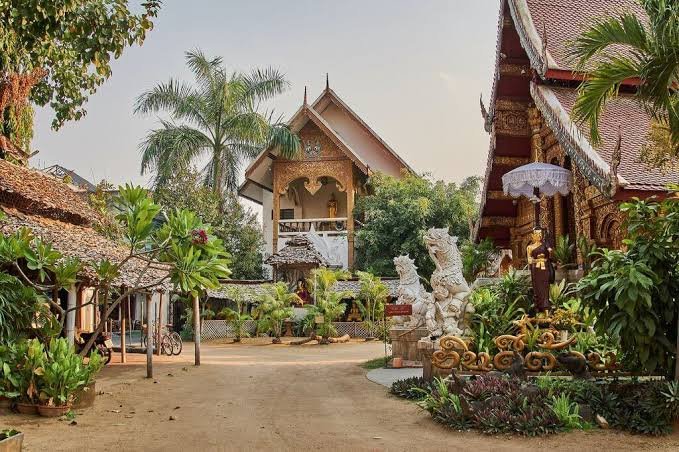
As a general rule, foreigners cannot freely own land in Thailand.
Thailand’s government states that limited exceptions exist, including a route involving at least 40 million baht of qualifying investment, residential land of no more than one rai and permission from the Minister of Interior.
That is obviously not the normal route for most expatriates.
Condominiums are different.
Foreigners can own qualifying condominium units subject to legal requirements and the foreign ownership quota. Foreign ownership generally cannot exceed 49% of the condominium’s total unit area.
Long-term leases are another route used by foreigners who want a house but cannot own the underlying land.
Do not use nominee shareholders or artificial company structures merely to disguise foreign land ownership. Property transactions are significant enough that I would use an independent Thai property lawyer rather than relying solely on an estate agent or seller.
Medical Facilities in Chiang Mai
One reason Chiang Mai works well for long-term expats is healthcare.
The city has both public and private hospitals, specialist clinics, dental practices and pharmacies.
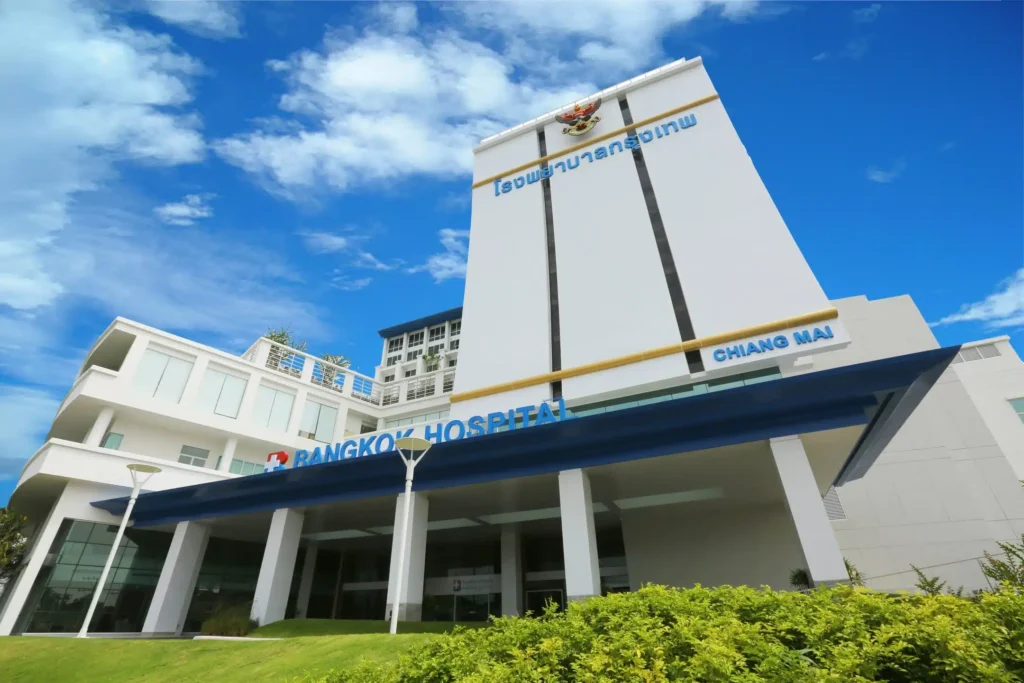
Private hospitals accustomed to foreign patients can provide English-language assistance and access to specialists. Chiang Mai’s healthcare ecosystem is substantial enough that many routine consultations, diagnostics and specialist appointments can be handled without traveling to Bangkok. Expat healthcare guides in 2026 continue to identify multiple Chiang Mai hospitals as practical options for foreign residents.
For minor issues, private clinics can be convenient.
For serious illness, major surgery or complex chronic conditions, research the relevant specialist rather than choosing a hospital solely because it is close to your condominium.
Long-term residents should also consider health insurance instead of assuming that every medical expense will remain inexpensive.
Chiang Mai After Dark: Night Markets, Bars and Nightlife
Chiang Mai does not compete with Bangkok for enormous clubs, and I do not think it needs to.
Its nightlife is more relaxed.
You can begin with street food, move to a live-music bar, drink somewhere in the Old City and still have completely different options around Nimman.
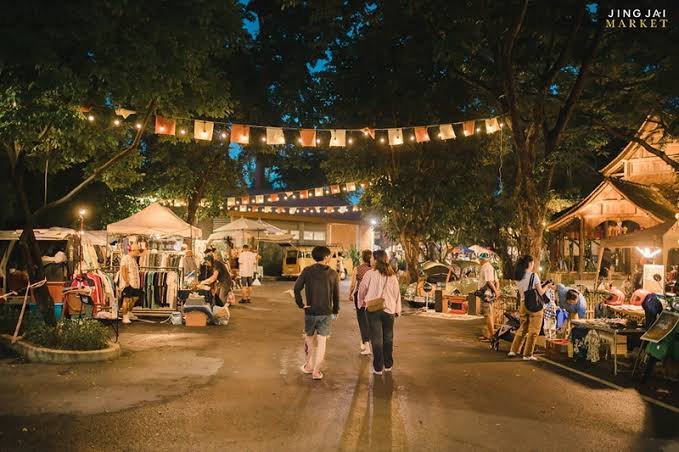
Zoe in Yellow is one of the better-known Old City nightlife names and draws a lively, international crowd.
For something more relaxed and elevated, MAI The Sky Bar offers a rooftop-style evening rather than the backpacker-party atmosphere.
Chiang Mai’s nightlife is not exclusively about drinking.
An evening at the Night Bazaar, a late massage, live music, dessert at a café and a final bowl of noodles can be just as enjoyable as spending hours in a club.
That is one reason I like nights here.
You decide what kind of evening you want.
What Is the Best Thing Chiang Mai Offers Tourists?
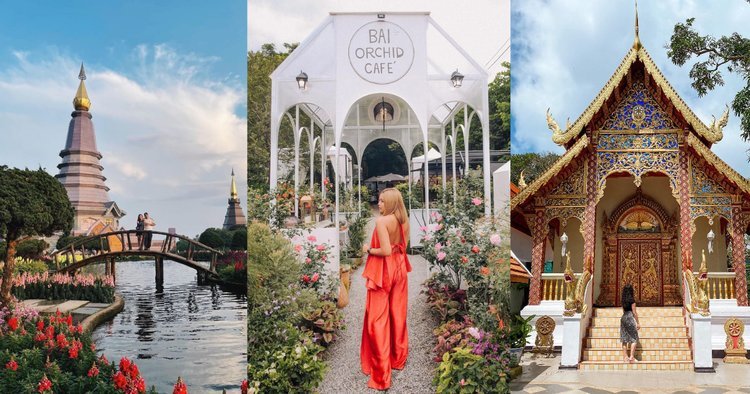
For me, Chiang Mai’s greatest strength is balance.
You can wake before sunrise and visit a Buddhist temple.
Eat a 60-baht local breakfast.
Work from a stylish café.
Drive into the mountains after lunch.
Return for a massage.
Eat khao soi for dinner.
Walk through a night market.
Listen to live music.
Then do something completely different the next morning.
Chiang Mai does not force you into one type of holiday.
It can be cultural.
It can be adventurous.
It can be inexpensive.
It can be luxurious.
It can be spiritual.
It can be social.
And for some people, it can become home.
The Side of Chiang Mai Long-Term Visitors Should Know
No destination is perfect.
One of the biggest considerations is seasonal air quality. Northern Thailand can experience serious haze and particulate pollution during the agricultural burning and dry season. Anyone considering living in Chiang Mai year-round should research current and historical air-quality patterns rather than discovering this after signing a long lease.
Road safety is another concern.
Motorcycles are convenient, but convenience should never be mistaken for safety.
And while Chiang Mai can be affordable, the city becomes surprisingly expensive if you live entirely in imported supermarkets, international restaurants, luxury condominiums and Western-style entertainment venues.
The secret to enjoying Chiang Mai long term is not simply finding the cheapest possible lifestyle.
It is learning how the city works.
Why I Understand the Expats Who Stay
Chiang Mai initially attracts you with obvious things: temples, mountains, inexpensive food and warm weather.
Those are not necessarily what make you stay.
What makes Chiang Mai difficult to leave is the routine you eventually create.
You begin recognising the woman who sells your morning coffee.
You know which market stall makes your favourite sai ua.
You stop checking maps in the Old City.
You learn a few Thai phrases.
You know when traffic will be terrible and which streets to avoid.
You find a favourite mountain café.
The city becomes less about attractions and more about everyday life.
That is why I understand the foreigners who arrived expecting to spend three weeks in northern Thailand and are still here years later.
For tourists, Chiang Mai offers temples, Lanna culture, mountains, markets, northern Thai cuisine and lively evenings.
For long-term visitors, it offers something much harder to find:
a major tourist destination where everyday life can sometimes feel better than the holiday itself.
And that, more than any single temple, restaurant or nightclub, is the best thing Chiang Mai has to offer.